Trucking Insurance
Commercial Coverage Types
Understanding your insurance options is the first step to protecting your trucking business. Explore the coverage types that keep your operation running smoothly, then call our specialists to get a personalized quote tailored to your needs.
The trucking industry comes with unique risks that require specialized insurance protection. From federal requirements to optional coverages that safeguard your assets, having the right combination of policies protects your business from financial devastation.
Our trucking insurance specialists help you understand which coverage types are essential for your operation and which optional protections make sense for your specific situation. Whether you’re an owner-operator just starting out or managing a growing fleet, we’ll connect you with quotes that match your coverage needs and budget.
Not sure what you need? Our specialists walk you through every option during your quote call.
Essential Trucking Insurance Coverage
1. PRIMARY LIABILITY INSURANCE
What It Covers
Primary liability insurance is the foundation of any trucking insurance program. This coverage protects you when your truck causes bodily injury or property damage to others while operating under your authority. It covers medical expenses, vehicle repairs, legal defense costs, and settlements or judgments against you.
Why You Need It
Federal law requires motor carriers to maintain minimum liability coverage to operate legally. The Federal Motor Carrier Safety Administration (FMCSA) sets these minimums based on the type of cargo you haul and your operating radius.
Limits
- General freight: $750k+
- Hazmat: $1M - $5M
- Passengers: $5M min
Who Needs It
Every for-hire motor carrier (interstate or intrastate).
Important Considerations
"Your certificate of insurance must be filed with the FMCSA before you can legally operate. Many shippers and brokers require higher limits than the federal minimum."
2. PHYSICAL DAMAGE COVERAGE
What It Covers
Physical damage insurance protects your trucks, trailers, and equipment from loss or damage. This coverage typically includes two components: collision coverage and comprehensive coverage (theft, vandalism, fire, weather, etc.).
Why You Need It
Your trucks and trailers represent a significant investment. If you’re financing or leasing equipment, lenders typically require this coverage.
Coverage Options
3. CARGO INSURANCE
What It Covers
Cargo insurance protects the freight you’re hauling from loss or damage during transit. It covers the value of the cargo you’re legally responsible for as a motor carrier.
Coverage Limits
Typically ranging from $100,000 to $250,000 or higher for specialized freight. Shippers and brokers often require proof of cargo coverage before tendering loads.
Common Exclusions
Standard cargo policies may exclude or limit coverage for electronics, artwork, pharmaceuticals, and high-theft items.
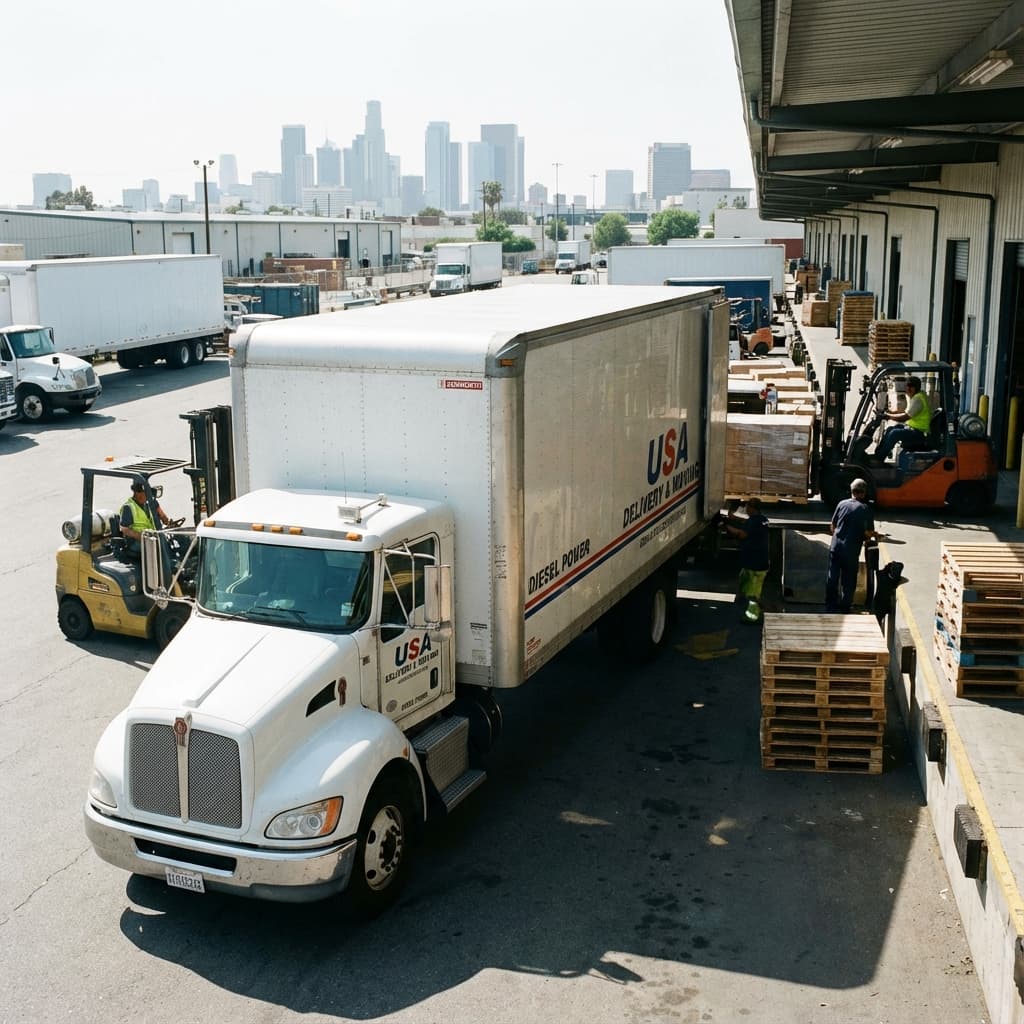
4. NON-TRUCKING LIABILITY (BOBTAIL)
What It Covers
Provides liability coverage when you’re operating your truck without a trailer or outside of your dispatched duties.
Differences from Primary Liability
Primary liability covers you while hauling or under dispatch. Non-trucking liability covers you while NOT under dispatch. Both are important.
Coverage Scenarios
- Driving home after dropping off a trailer
- Traveling to a pickup location
- Personal use of your commercial truck
- Deadheading between assignments
- Moving your truck while off duty
5. OCCUPATIONAL ACCIDENT INSURANCE
What It Covers
Occupational accident insurance provides benefits to truck drivers (owner-operators and independent contractors) who are injured while performing work-related duties. Includes medical, disability, and accidental death benefits.
Who Needs It
If you’re not on a company’s workers’ compensation policy, this is your safety net against work-related injuries.
6. GENERAL LIABILITY INSURANCE
What It Covers
Protects your trucking business from non-trucking related liability claims like slip-and-fall accidents at your office or terminal, or damage during loading operations.
Who Needs This Coverage
Carriers with physical business locations, terminals, or warehouses should carry general liability insurance.
Common Coverage Scenarios
7. TRAILER INTERCHANGE INSURANCE
What It Covers
Covers physical damage to trailers you’re using that belong to someone else under an interchange agreement (Peterbilt, Kenworth, etc.).
Why You Need It
When you sign a trailer interchange agreement, you’re typically assuming responsibility for damage to that trailer. These costs can easily reach $50,000 or more.
Typical Uses
- Borrrowed headers
- Customer-owned trailers
- Drop-and-hook ops
- Leased equipment
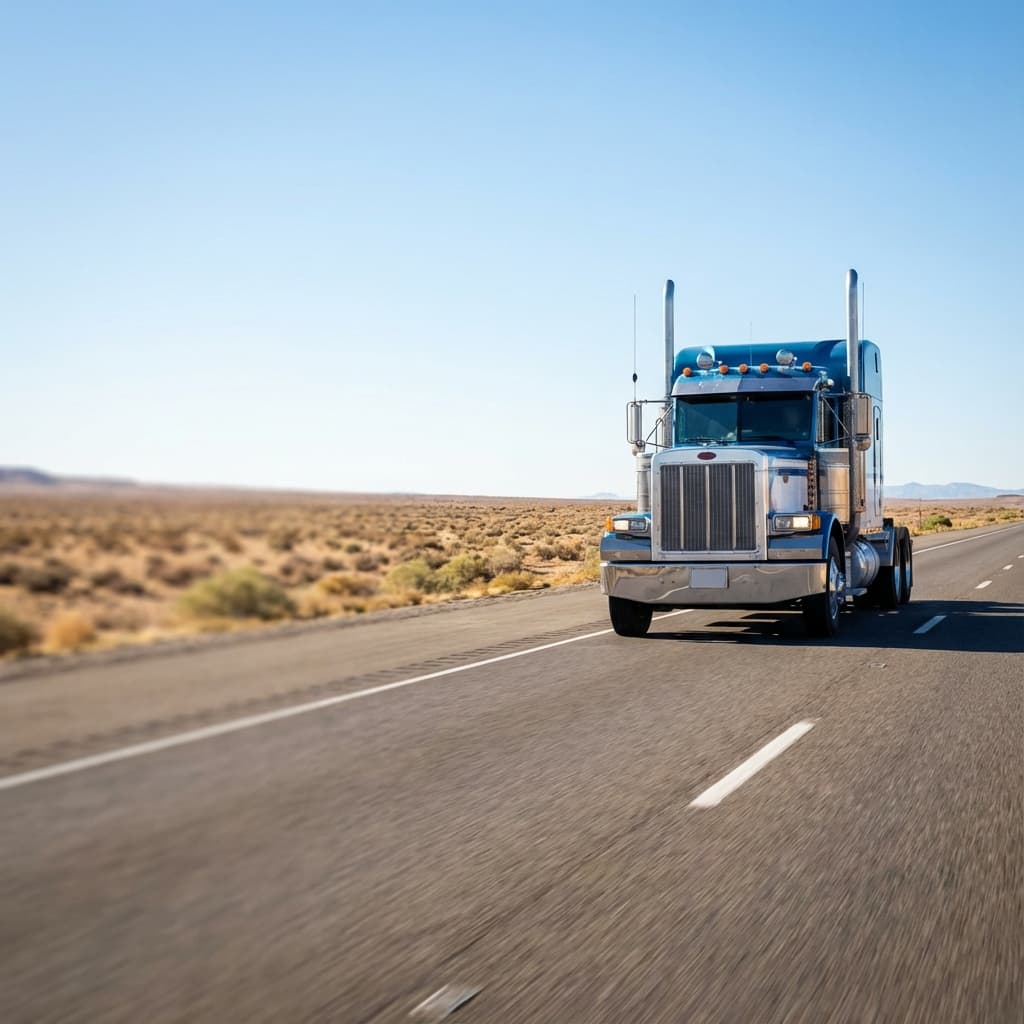
Enhanced Protection for Your Operation
Beyond the essential coverage types, additional insurance options provide extra protection tailored to your specific operation. Our specialists help you evaluate which of these coverages make sense for your business.
Broader cargo coverage that goes beyond basic requirements. Good for carriers wanting to stand out to shippers.
Protects against losses due to mechanical breakdown of refrigeration equipment. Essential for temperature-sensitive freight.
Covers the cost of renting a replacement truck if yours is out of service due to a covered damage claim.
Pays you a daily amount when your truck can’t operate due to a covered damage loss. Helps replace lost income.
Covers cleanup costs and liability if your truck spills fuel or other pollutants. Critical for tanker operations.
Protects you when hit by a driver who has no insurance or insufficient coverage.
Not Sure Which Coverage You Need?
Every trucking operation is different, and your insurance should reflect your specific risks and requirements. Our specialists take the time to understand your business, explain your options in plain language, and help you build a coverage package that truly protects your operation.
During your quote call, we’ll:
"One call gets you the information and quotes you need."
Get Your Free Quote Online TodayOur specialists are available during business hours to provide personalized guidance.
Understanding Your Coverage Needs
| Coverage Type | Required By Law | Who Needs It | Typical Cost |
|---|---|---|---|
| Primary Liability | Yes (FMCSA) | All motor carriers | Varies by operation |
| Physical Damage | If financed/leased | Equipment owners | Based on vehicle value |
| Cargo Insurance | Yes (FMCSA) | All for-hire carriers | Based on cargo value |
| Non-Trucking Liability | No | Owner-operators | Relatively affordable |
| Occupational Accident | No | Owner-operators/ICs | Based on coverage limits |
| General Liability | Sometimes | Carriers with facilities | Moderate |
| Trailer Interchange | Contract dependent | Users of non-owned trailers | Based on trailer value |
Note: Costs vary significantly based on your operation, driving record, experience, and coverage limits. Call for accurate quotes.
Get the Coverage Your Trucking Business Deserves
Don’t leave your business exposed to risks that could shut you down. Whether you’re getting started, adding trucks, or shopping for better rates, our trucking insurance specialists are here to help you navigate your options and secure the protection you need.
"Call today for a free, no-obligation quote."
Learn More About Specific Coverage Types
Click below to get detailed information about each coverage type:
Each page provides in-depth explanations, real-world examples, and guidance on choosing the right limits and options.