The Zero-Emission Transition: Navigating the Insurance and Operational Landscape of Alternative Fuel Fleets
The Decarbonization Wave: A New Era for Motor Carriers
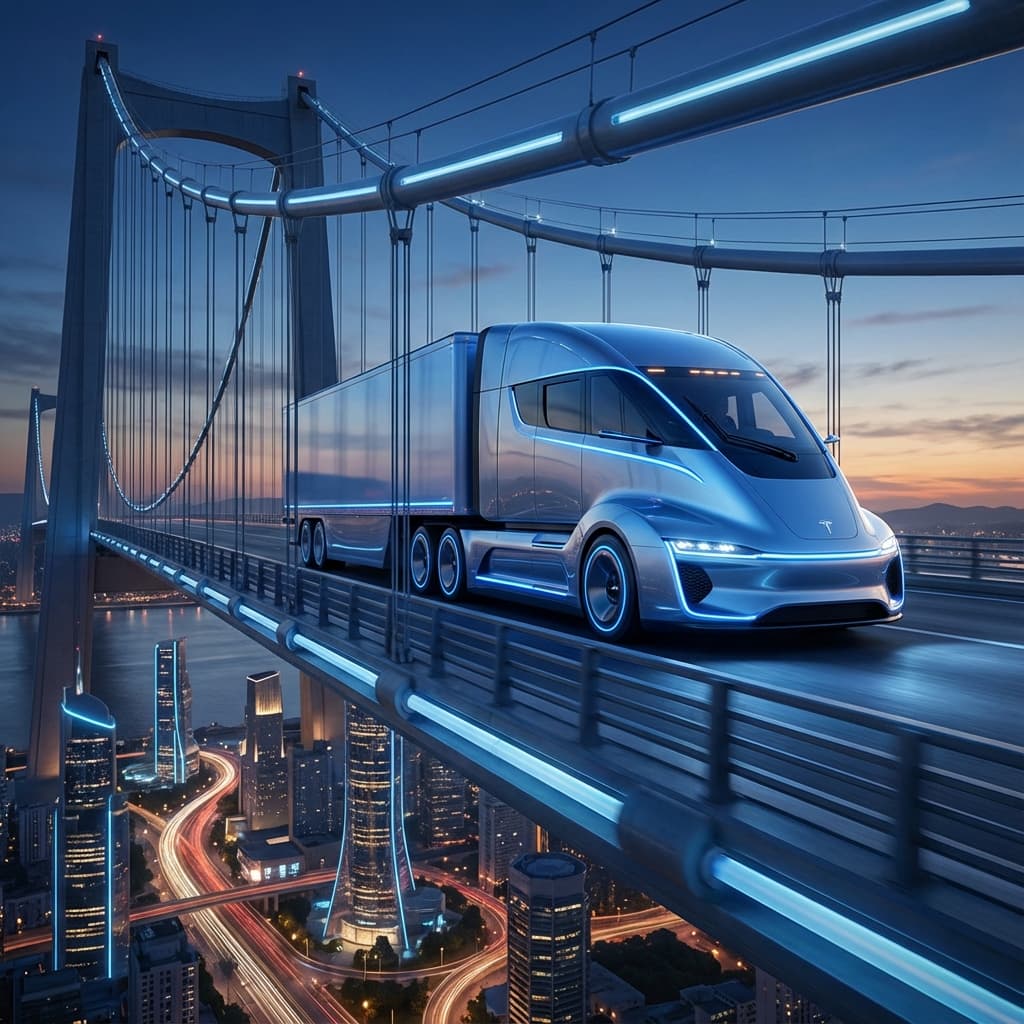
The trucking industry is currently witnessing its most significant technological shift since the invention of the diesel engine. Driven by state-level mandates like California’s Advanced Clean Fleets (ACF) regulation and federal EPA standards, the transition to Zero-Emission Vehicles (ZEVs) is no longer a distant possibility—it is an immediate operational reality. For motor carriers, this transition involves much more than just swapping out a tractor; it requires a complete overhaul of risk management and insurance strategies.
High Equipment Valuation and Physical Damage Risks
One of the most immediate impacts of adopting electric or hydrogen fuel-cell vehicles is the staggering increase in equipment cost. A typical Class 8 electric truck can cost two to three times as much as a traditional diesel counterpart. From an insurance perspective, this significantly alters Physical Damage coverage. Carriers must ensure their stated values are precise, as the cost of replacement parts—particularly battery arrays—is exceptionally high.
- Total Loss Thresholds: Because batteries can account for 40-50% of the vehicle’s value, even minor undercarriage damage can lead to a total loss declaration.
- Specialized Repair Networks: There is currently a shortage of certified ZEV repair facilities, leading to longer downtimes and increased Business Interruption losses.
New Liability Profiles: Fire Risk and Infrastructure
While ZEVs eliminate many traditional mechanical risks, they introduce new ones. Lithium-ion battery fires, though statistically rare, are notoriously difficult to extinguish and can lead to significant environmental cleanup costs. Motor carriers need to verify that their Pollution Liability and general liability policies account for these specific thermal runaway events.
Furthermore, the shift to on-site charging infrastructure introduces a new layer of property risk. Installing high-voltage charging stations at your terminal increases the risk of electrical fires and requires additional coverage for the infrastructure itself, which may not be covered under a standard auto policy.
Operational Challenges: The Range and Weight Paradox
Current economic trends show that while ZEVs offer lower per-mile fuel costs, the trade-off remains the weight of the batteries and the charging infrastructure gap. The federal weight allowance (an additional 2,000 lbs for ZEVs) helps, but carriers must still recalibrate their freight density and route planning to maintain profitability. Insurance companies are closely watching these operational changes, as increased weight and altered braking distances can affect accident severity profiles.
Strategic Steps for a Greener Fleet
To remain competitive and insurable during this transition, United Lanes recommends the following proactive measures:
- Phased Implementation: Start with short-haul or drayage operations where charging infrastructure is more predictable.
- Driver Specialized Training: Ensure drivers are trained in the nuances of regenerative braking and ZEV safety protocols to maintain a clean loss run.
- Comprehensive Policy Review: Work with a specialized broker to ensure your Physical Damage and Cargo limits reflect the higher valuations of clean energy equipment.
The Path Forward
The greening of the freight market is a trend that will define the next decade of trucking. While the initial hurdles—high acquisition costs and infrastructure gaps—are significant, carriers that stay ahead of the regulatory curve and adapt their insurance frameworks accordingly will find themselves in a stronger position to secure premium contracts with eco-conscious shippers. Staying informed and agile is your best defense in this rapidly evolving market.
Questions about
this topic?
Our specialists are ready to provide the personalized guidance you need for your specific situation.