The Scalability Blueprint: Mastering the Operational Shift from Solo Operator to Fleet Executive
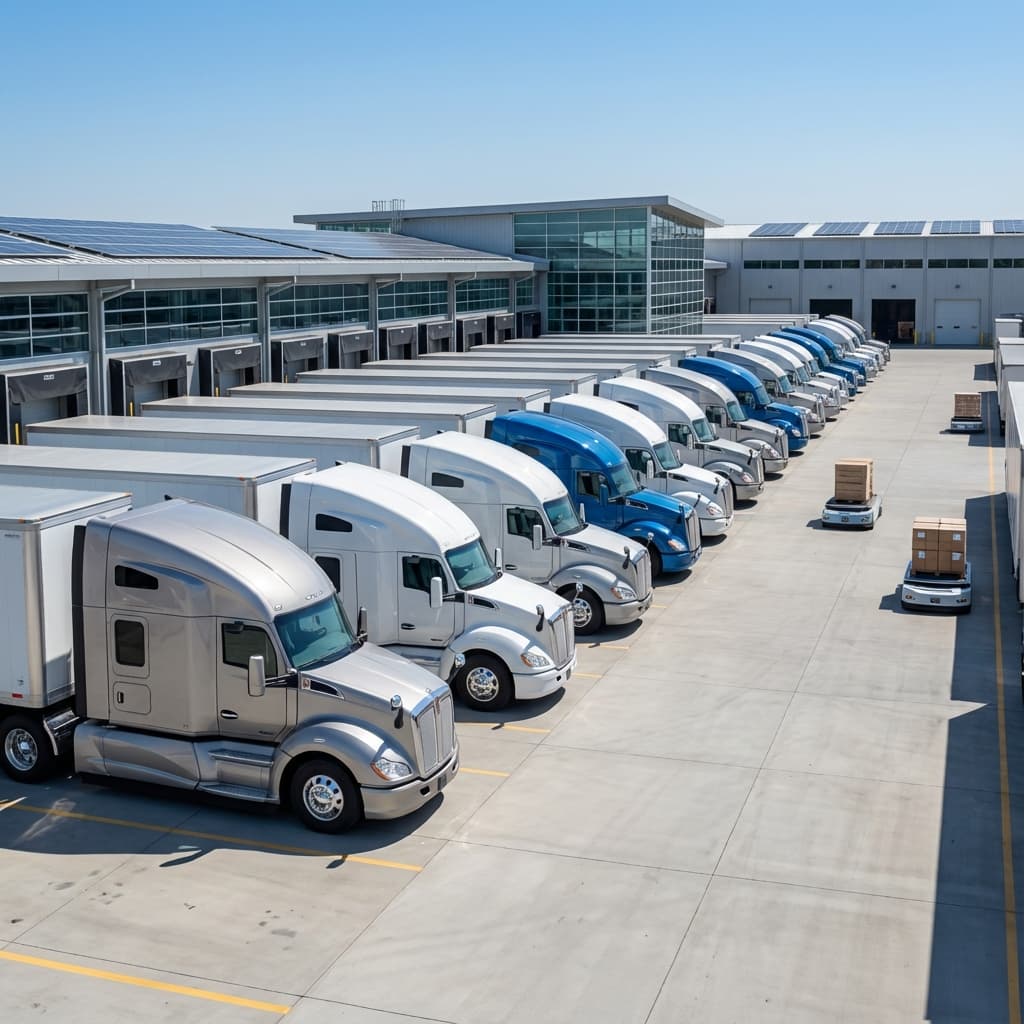
Transitioning from Operator to Executive
Moving from a single-truck owner-operator model to managing a small fleet is one of the most challenging transitions in the trucking industry. It represents the moment a driver becomes a CEO. This shift requires more than just capital; it demands a total overhaul of how you view business operations, risk management, and resource allocation.
1. Establishing a Decentralized Management Structure
The primary barrier to scaling is the 'Founder’s Trap'—the tendency for the owner to handle every dispatch, maintenance call, and billing inquiry. To grow, you must implement systems that allow the business to function without your direct involvement in every transaction. This includes:
- TMS Integration: Utilizing a robust Transportation Management System (TMS) to automate load tracking, invoicing, and driver settlements.
- SOP Development: Creating Standard Operating Procedures for common scenarios, such as roadside breakdowns or cargo claims, ensuring consistency across your growing team.
- Delegated Dispatch: Transitioning from self-dispatching to professional dispatching services or hiring dedicated staff to maintain high equipment utilization rates.
2. The Driver Acquisition and Retention Engine
In a fleet environment, your drivers are your most valuable assets and your greatest liability. Scaling successfully requires a rigorous Driver Qualification File (DQF) process that goes beyond FMCSA minimums. Professional carriers treat recruitment as a marketing function and retention as an operational function.
To maintain a stable workforce during growth, consider implementing performance-based incentives that align driver behavior with company profitability. This includes bonuses for fuel efficiency, clean inspections, and on-time delivery metrics. Remember, the cost of replacing a driver often exceeds $5,000 to $8,000 when accounting for downtime and onboarding—retention is a direct contributor to your bottom line.
3. Preventative Maintenance as an Operational Lever
When you own one truck, you know every vibration and sound. When you own ten, you are blind to the equipment's daily condition. Scalable fleet management requires a data-driven maintenance schedule. Transitioning from reactive 'break-fix' repairs to proactive preventative maintenance (PM) is essential for operational efficiency.
- Telematics Integration: Use engine diagnostics to predict failures before they result in a high-cost Towing and Labor claim.
- Lifecycle Costing: Track the total cost of ownership (TCO) for each unit to determine the optimal trade-in cycle, ensuring you aren't pouring capital into depreciating assets that have passed their peak reliability.
4. Financial Sovereignty and Cash Flow Management
Growth consumes cash. Expanding from one to five units often results in a temporary decrease in liquidity as you absorb the costs of down payments, insurance deposits, and increased payroll. To navigate this 'Growth Gap,' motor carriers must maintain financial sovereignty through:
- Strategic Factoring: If using factoring, ensure the recourse terms and fees are competitive and that you have a clear path to transitioning to traditional lines of credit as your credit profile matures.
- Escrow Accounts: Maintain dedicated reserves for maintenance, tires, and insurance deductibles to ensure a single catastrophic repair doesn't halt the entire operation.
The Insurance Implications of Scaling
As your fleet grows, your risk profile changes in the eyes of underwriters. A single owner-operator is viewed differently than a 10-unit fleet. By demonstrating the structural improvements mentioned above—standardized safety manuals, rigorous hiring, and proactive maintenance—you position your business to move from high-risk 'New Entrant' pricing to preferred fleet rating tiers. At United Lanes, we assist carriers in documenting these operational strengths to secure the most favorable terms during the scaling process.
Questions about
this topic?
Our specialists are ready to provide the personalized guidance you need for your specific situation.