The Resilience Framework: Optimizing Operational Costs for Sustainable Fleet Growth
Building a Recession-Proof Operational Foundation
In the volatile landscape of the trucking industry, growth is often mistaken for simple fleet expansion. However, true growth for a motor carrier is measured by the resilience of their profit margins and the efficiency of their internal operations. To transition from a surviving carrier to a thriving industry leader, executives must implement a Resilience Framework that prioritizes cost optimization without compromising service quality.
Operational efficiency is not merely about cutting expenses; it is about the strategic allocation of capital to ensure that every mile driven contributes to the long-term health of the business. By focusing on the interplay between fixed and variable costs, carriers can build a foundation that withstands spot market fluctuations and rising overhead.
Auditing the Fixed Cost Burden
Fixed costs—those expenses that remain constant regardless of whether your trucks are moving—can become a heavy anchor during market downturns. Successful fleet management requires a lean approach to these non-negotiables.
- Asset Financing Strategy: Evaluate the ratio of leased versus owned equipment. While leasing offers newer technology and lower maintenance, ownership builds equity. Striking a balance allows for greater financial flexibility.
- Administrative Overhead: As fleets grow, so does the 'back-office creep.' Implementing integrated Transportation Management Systems (TMS) can automate dispatch, billing, and compliance, allowing your administrative team to manage more power units without increasing headcount.
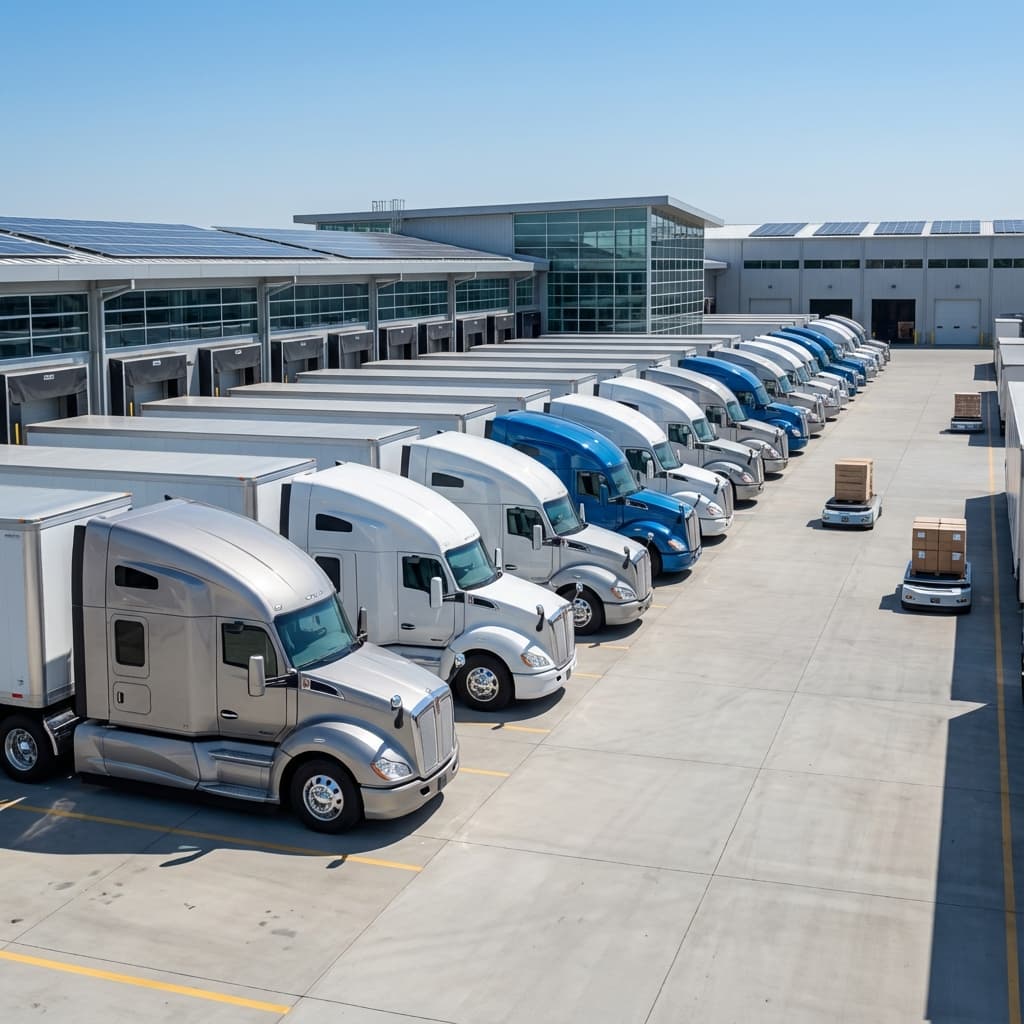
- Facility Optimization: For carriers with physical terminals, ensuring that yard space and maintenance bays are utilized at maximum capacity is vital. Idle space is wasted capital.
The Hidden Cost of Idle Assets
An unassigned truck is one of the most significant drains on a carrier's liquidity. Beyond the monthly payment, idle equipment incurs insurance costs, depreciation, and potential mechanical issues from sitting stagnant. A core component of the Resilience Framework is a strict asset utilization threshold: if an asset cannot maintain a specific utilization percentage, it should be liquidated to preserve cash flow.
Mastering Variable Cost Management
Variable costs are where the most immediate gains in operational efficiency are found. Fuel, maintenance, and driver-related expenses are the primary levers of a carrier’s Profit and Loss (P&L) statement.
Preventive Maintenance as a Financial Strategy
While often viewed through the lens of safety, preventive maintenance (PM) is, at its heart, a financial strategy. Unplanned downtime is estimated to cost carriers between $500 and $1,000 per day, excluding the cost of the actual repair. By shifting to a rigorous PM schedule driven by telematics data, carriers can:
- Extend the lifecycle of high-value components like engines and aftertreatment systems.
- Improve fuel economy through optimal tire pressure and engine calibration.
- Reduce the likelihood of costly roadside service calls, which carry significant premiums.
Fuel Management Beyond the Pump
Fuel remains a carrier's largest variable expense. Beyond using fuel cards for rebates, operational efficiency involves optimizing routes to minimize empty miles (deadhead) and monitoring idle time. Educating drivers on 'progressive shifting' and speed management can result in a 5-10% improvement in fuel economy, which translates directly to the bottom line.
Data-Driven Decision Making
The modern motor carrier generates a wealth of data through ELDs, sensors, and financial software. The challenge lies in converting this data into actionable intelligence. To optimize business operations, carriers should focus on Key Performance Indicators (KPIs) such as:
- Operating Ratio: Measuring total expenses as a percentage of gross revenue.
- Revenue Per Mile vs. Cost Per Mile: A granular look at the profitability of specific lanes and customers.
- Driver Retention Rates: Understanding that the cost of recruiting and training a new driver far outweighs the cost of incentive programs for existing talent.
Conclusion: The Path to Scalable Efficiency
Optimizing the business side of trucking requires a disciplined approach to every dollar spent. By mastering the Resilience Framework—balancing fixed costs, tightening variable expenses, and leveraging data—motor carriers do more than just survive; they create a competitive advantage. This operational excellence is also recognized by underwriters, leading to more favorable insurance terms and providing the capital necessary for sustainable, long-term growth.
Questions about
this topic?
Our specialists are ready to provide the personalized guidance you need for your specific situation.