The Profitability Pivot: Integrating Data Intelligence into Fleet Management and Operational Strategy
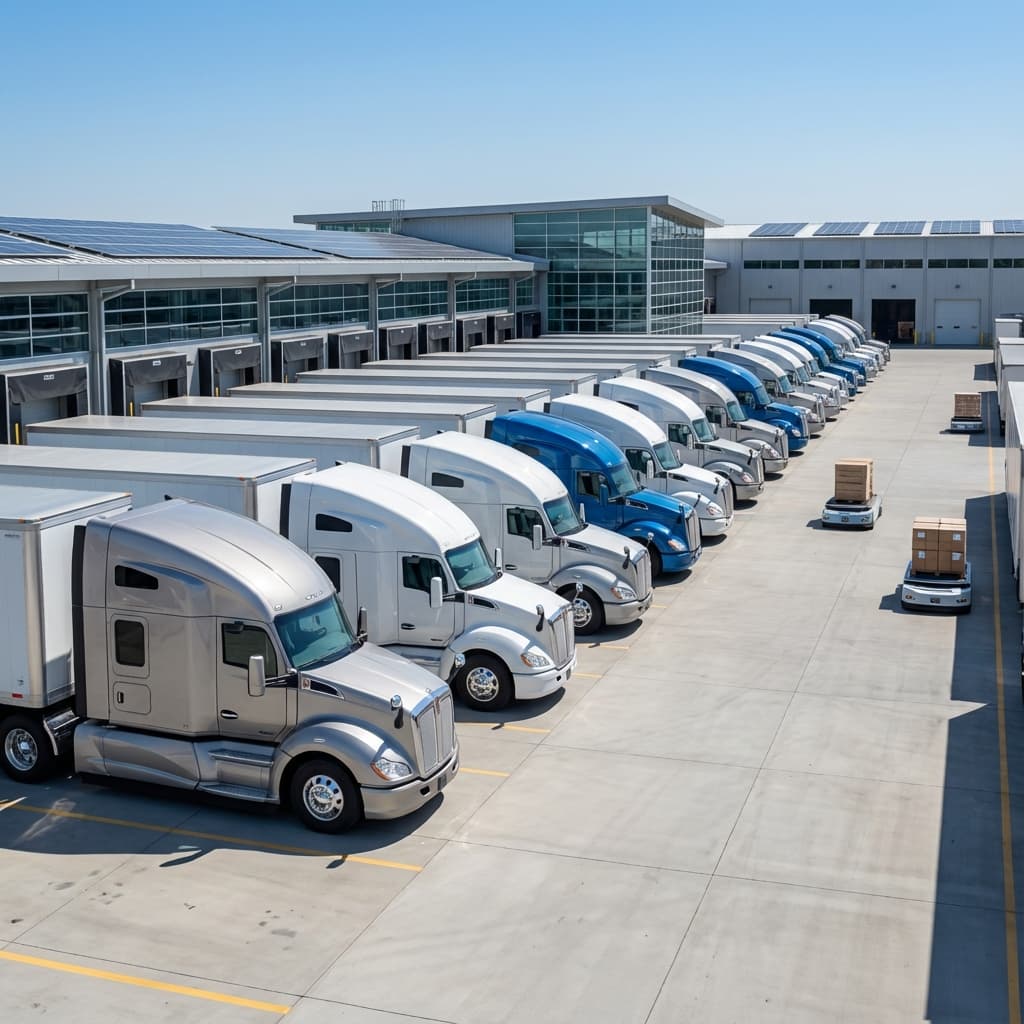
Harnessing Data for Operational Excellence
For modern motor carriers, success is no longer just about moving freight from point A to point B; it is about optimizing every mile traveled. In the current economic climate, where fuel costs fluctuate and freight rates remain competitive, operational efficiency has transitioned from a 'nice-to-have' to a survival requirement. Leading carriers are now using 'The Profitability Pivot'—a shift from gut-feeling decision-making to data-driven strategic management.
Transforming ELD and Telematics into Business Intelligence
While many carriers view Electronic Logging Devices (ELDs) and telematics primarily as compliance tools, they are actually goldmines of operational data. By analyzing this information, fleet managers can identify patterns that directly impact profitability. Key metrics to monitor include:
- Idling Time: Excessive idling can waste thousands of dollars per truck annually. Identifying outliers allows for targeted driver coaching.
- Route Optimization: Analyzing historical GPS data helps in identifying the most fuel-efficient routes and avoiding recurring congestion bottlenecks.
- Hard Braking and Acceleration: Beyond safety, these behaviors indicate aggressive driving that increases wear and tear, shortening the lifecycle of tires and brakes.
- Asset Utilization: Determining which units are underperforming or sitting idle helps in making informed decisions about fleet downsizing or expansion.
The Strategic Impact of Maintenance Management
Operational efficiency is often sabotaged by reactive maintenance. When a truck breaks down on the side of the road, the costs are exponential: towing fees, emergency repair premiums, late delivery fines, and lost driver hours. A data-driven Preventative Maintenance (PM) schedule is essential for protecting margins.
Integrating your maintenance software with engine telematics allows for predictive alerts. Addressing a sensor issue or a minor leak during a scheduled service prevents the catastrophic failure that leads to a three-day downtime event. By reducing the Total Cost of Ownership (TCO) per power unit, carriers can reallocate those funds toward fleet growth and driver incentives.
Optimizing the 'Human Element' of Operations
Operational efficiency is deeply tied to driver retention. High turnover rates are one of the most significant hidden costs in the trucking industry, involving recruitment, onboarding, and training expenses. Efficient operations improve the driver experience by:
- Reducing Dwell Time: Using data to identify shippers with long load times allows dispatchers to negotiate better detention pay or prioritize more efficient facilities.
- Better Dispatch Communication: Integrated Transportation Management Systems (TMS) reduce the need for constant check-calls, allowing drivers to focus on the road.
- Fair Performance Incentives: Using data to reward fuel efficiency and safety creates a culture of ownership among drivers.
The Synergy Between Operations and Insurance
From an insurance perspective, a highly efficient fleet is almost always a lower-risk fleet. When a carrier demonstrates rigorous control over their maintenance, route planning, and driver behavior through data, they become a more attractive risk for underwriters. Operational transparency serves as a powerful lever during premium negotiations, as it proves that the carrier is managed with precision rather than luck.
Ultimately, the pivot to data intelligence allows motor carriers to build a resilient business model that can withstand market volatility. By focusing on asset utilization, proactive maintenance, and driver-centric efficiency, carriers can secure their place as leaders in the next era of American logistics.
Questions about
this topic?
Our specialists are ready to provide the personalized guidance you need for your specific situation.