The Operational Multiplier: Strategies for Scalable Efficiency in Modern Trucking
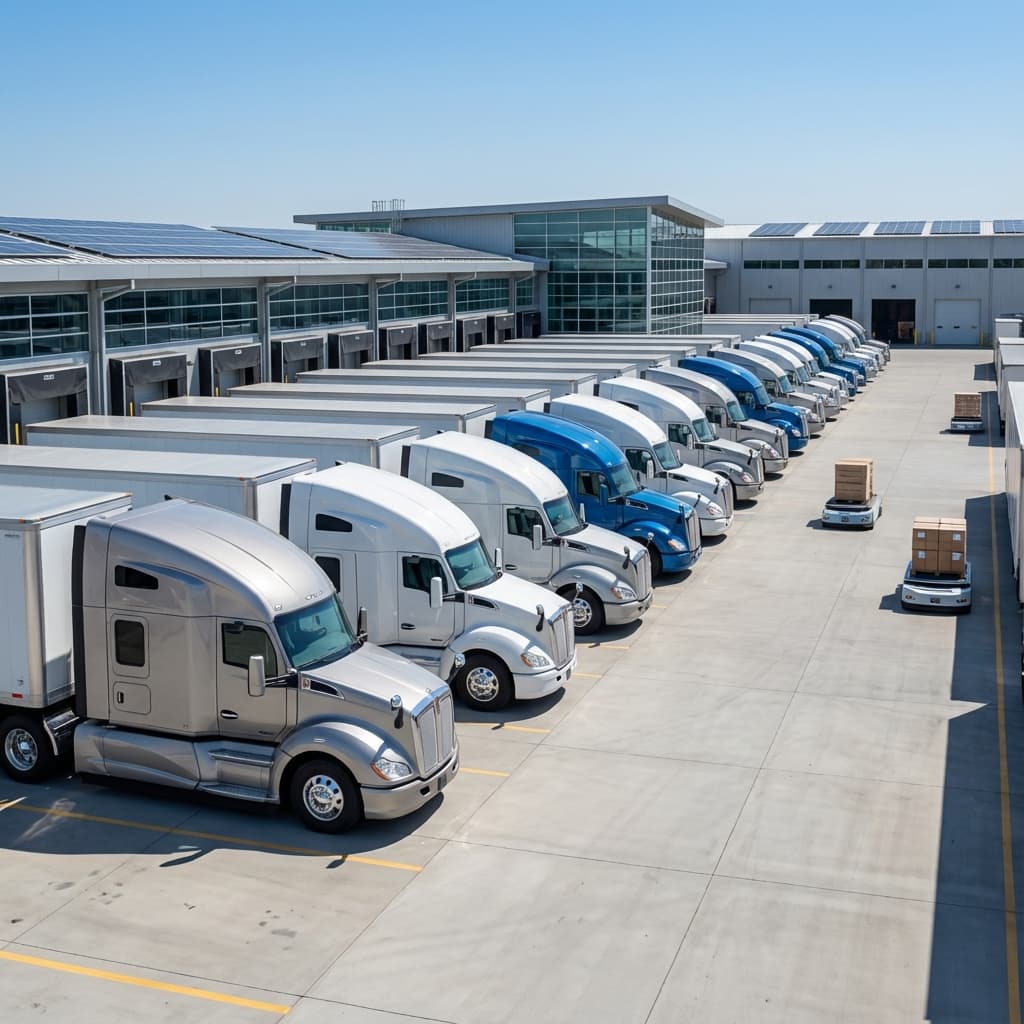
Transitioning from Survival to Scalable Growth
For many motor carriers, the transition from managing a handful of units to overseeing a large-scale fleet is the most volatile period in the business lifecycle. The strategies that work for a solo operator or a small family business often fail to scale, creating bottlenecks that erode profit margins. At United Lanes Insurance, we observe that the most successful carriers don't just work harder; they employ an 'Operational Multiplier'—a framework that integrates technology, maintenance, and human capital into a cohesive growth engine.
1. Data-Driven Asset Utilization
Operational efficiency begins with maximizing the revenue generated by every mile driven. High-performing carriers are moving beyond simple GPS tracking toward advanced telematics and predictive analytics. By analyzing historical lane data, you can identify which routes consistently yield the highest margins and which ones are plagued by excessive deadhead miles or detention times.
- Real-time Route Optimization: Integrating weather, traffic, and fuel price data to adjust routes on the fly.
- Deadhead Reduction: Using backhaul matching software to ensure trailers are rarely moving empty.
- Load Composition: Evaluating whether your fleet is optimized for the right weight and freight type for your specific geography.
2. The Link Between Driver Retention and Operational Costs
It is a common mistake to view driver recruitment as a human resources issue rather than a business operations issue. In reality, driver turnover is one of the single greatest drains on operational efficiency. The cost of onboarding a new driver—including background checks, training, and the lost revenue of an idle truck—can exceed $10,000 per seat.
To scale efficiently, carriers must treat drivers as stakeholders. This involves implementing feedback loops where drivers can report equipment issues or dock delays in real-time. When drivers feel their time is respected through efficient dispatching and well-maintained equipment, retention rates stabilize, allowing the business to focus capital on expansion rather than constant replacement.
3. Shifting from Preventive to Predictive Maintenance
The traditional model of 'fix it when it breaks' is the enemy of scalability. Unexpected downtime doesn't just cost a repair bill; it triggers a cascade of operational failures: missed delivery windows, soured broker relationships, and insurance-impacting roadside breakdowns.
Modern fleet management requires a Predictive Maintenance (PdM) approach. By utilizing remote diagnostics, fleet managers can monitor engine health and component wear before a failure occurs. This allows for scheduled maintenance during low-demand periods, ensuring that your assets are always ready for high-value loads. Moreover, a documented history of proactive maintenance can positively influence your risk profile during insurance renewals.
4. Automating the Back-Office Infrastructure
Scaling a fleet often results in an exponential increase in paperwork. IFTA reporting, ELD compliance, billing, and safety records can quickly overwhelm a manual system. To maintain a lean operation, successful carriers invest in Transportation Management Systems (TMS) that automate the 'boring' parts of the business.
- Automated Invoicing: Reducing the 'Days Sales Outstanding' (DSO) by triggering invoices immediately upon proof of delivery.
- Compliance Dashboards: Centralizing driver qualification files and permit renewals to avoid costly fines.
- Integrated Safety Training: Automating the assignment of safety modules based on telematics data (e.g., assigning a braking module after a hard-braking event).
Conclusion: Building for Resilience
The trucking industry is cyclical, but operational efficiency provides the buffer needed to survive downturns and the fuel to accelerate during upturns. By focusing on data-driven utilization, driver satisfaction, and back-office automation, motor carriers can build a resilient framework that supports sustainable growth. Remember, the goal of scaling isn't just to be bigger; it's to be better, faster, and more profitable with every mile added.
Questions about
this topic?
Our specialists are ready to provide the personalized guidance you need for your specific situation.