The Operational Multiplier: Synchronizing Maintenance and Asset Lifecycle for Sustainable Growth
Beyond the Logbook: The Strategic Importance of Fleet Availability
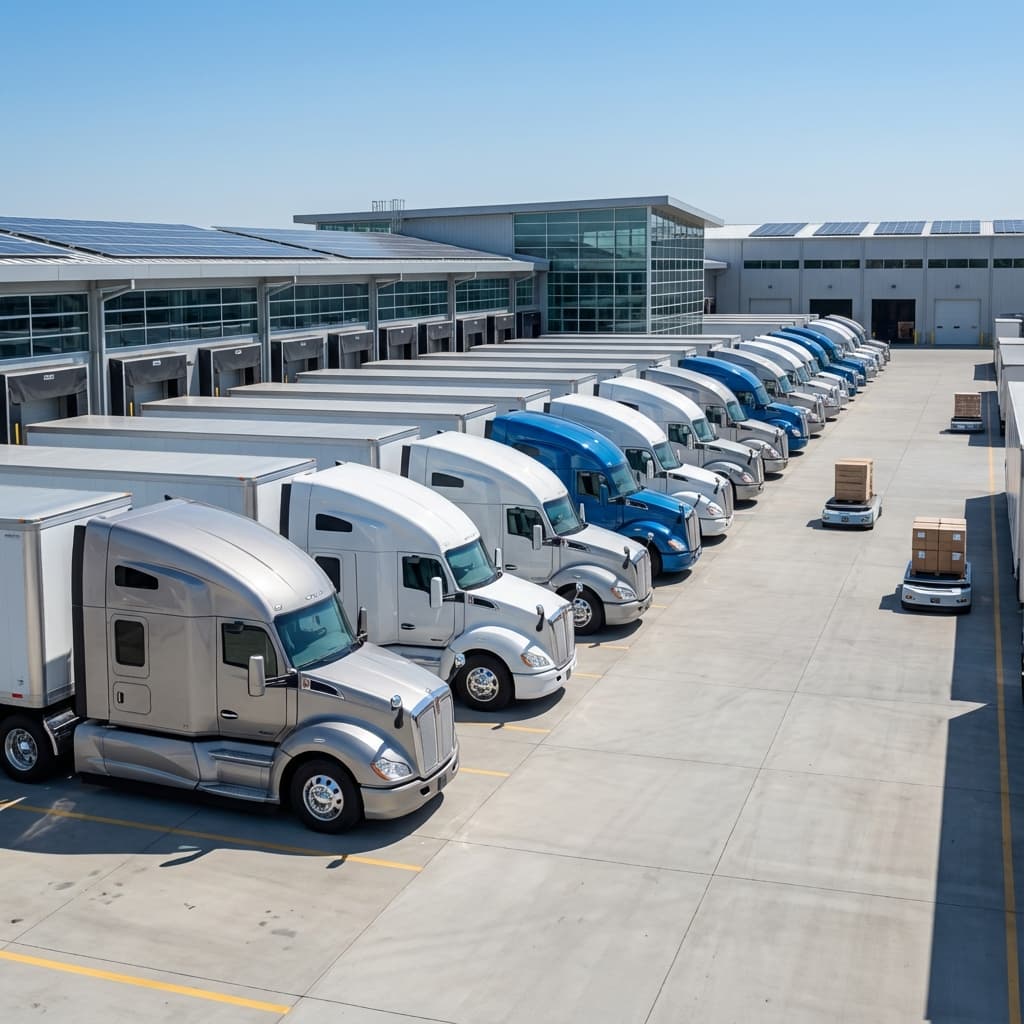
For modern motor carriers, growth is often measured by truck count, but true scalability is defined by fleet availability. A carrier with twenty trucks and a 15% downtime rate is effectively operating with the same revenue potential as a leaner, fifteen-truck fleet with 100% uptime. To move from a reactive business model to a proactive growth trajectory, executives must view maintenance and asset lifecycle management not as unavoidable overhead, but as the Operational Multiplier.
The High Cost of Reactive Maintenance
Reactive maintenance—addressing issues only after a failure occurs—is the single greatest drain on a carrier’s liquidity. Beyond the immediate repair bill, the true cost includes lost revenue per day, driver detention or layover pay, and potential service failures that damage broker relationships. Furthermore, roadside breakdowns negatively impact your Safety Measurement System (SMS) scores, which directly correlates to rising insurance premiums and decreased eligibility for high-paying contracts.
Transitioning to Predictive Maintenance Models
The industry is moving toward a data-driven approach where maintenance is scheduled based on real-time engine diagnostics rather than arbitrary mileage intervals. By leveraging telematics data, fleet managers can:
- Monitor Engine Health: Identify fault codes before they trigger a derate or roadside failure.
- Optimize Oil Drain Intervals: Use fluid analysis to extend life without compromising engine integrity.
- Reduce CSA Points: Catch lighting, tire, and brake issues in the yard rather than at the weigh station.
Mastering the Asset Lifecycle: When to Trade Up
A critical component of business operations is identifying the "Sweet Spot" for asset replacement. While a paid-off truck may seem like pure profit, the escalating costs of maintenance on older units often exceed the monthly payment of a newer, more efficient vehicle.
Professional carriers typically analyze the Total Cost of Ownership (TCO), which factors in fuel efficiency (MPG), repair costs per mile, and trade-in value. For most Class 8 fleets, the optimal replacement window occurs between 450,000 and 550,000 miles. At this stage, the vehicle still retains significant secondary market value, while avoiding the catastrophic component failures (DPF, transmission, injectors) common in higher-mileage units.
Building an Internal Culture of Equipment Stewardship
Operational efficiency is a team sport. Growth-minded carriers empower their drivers to take an active role in asset management. Implementing a Driver-Vehicle Inspection Report (DVIR) bonus program can incentivize operators to report minor issues before they become major repairs. When drivers feel they are operating the best equipment in the industry, retention rates rise, and recruitment costs—a major operational hurdle—begin to plummet.
The Financial Ripple Effect: Insurance and Valuation
From an insurance perspective, a well-documented maintenance program is a powerful tool. When United Lanes specialists present your risk to underwriters, a fleet with a rigorous maintenance schedule and a young asset lifecycle is viewed as a lower-risk profile. This not only secures more competitive rates but also ensures your business is positioned as a premium partner for shippers who demand reliability.
In the final analysis, operational excellence is about control. By mastering your maintenance and asset cycles, you stop reacting to the road and start dictating the pace of your company's growth.
Questions about
this topic?
Our specialists are ready to provide the personalized guidance you need for your specific situation.