The Operational Intelligence Edge: Leveraging Data Analytics to Drive Fleet Profitability
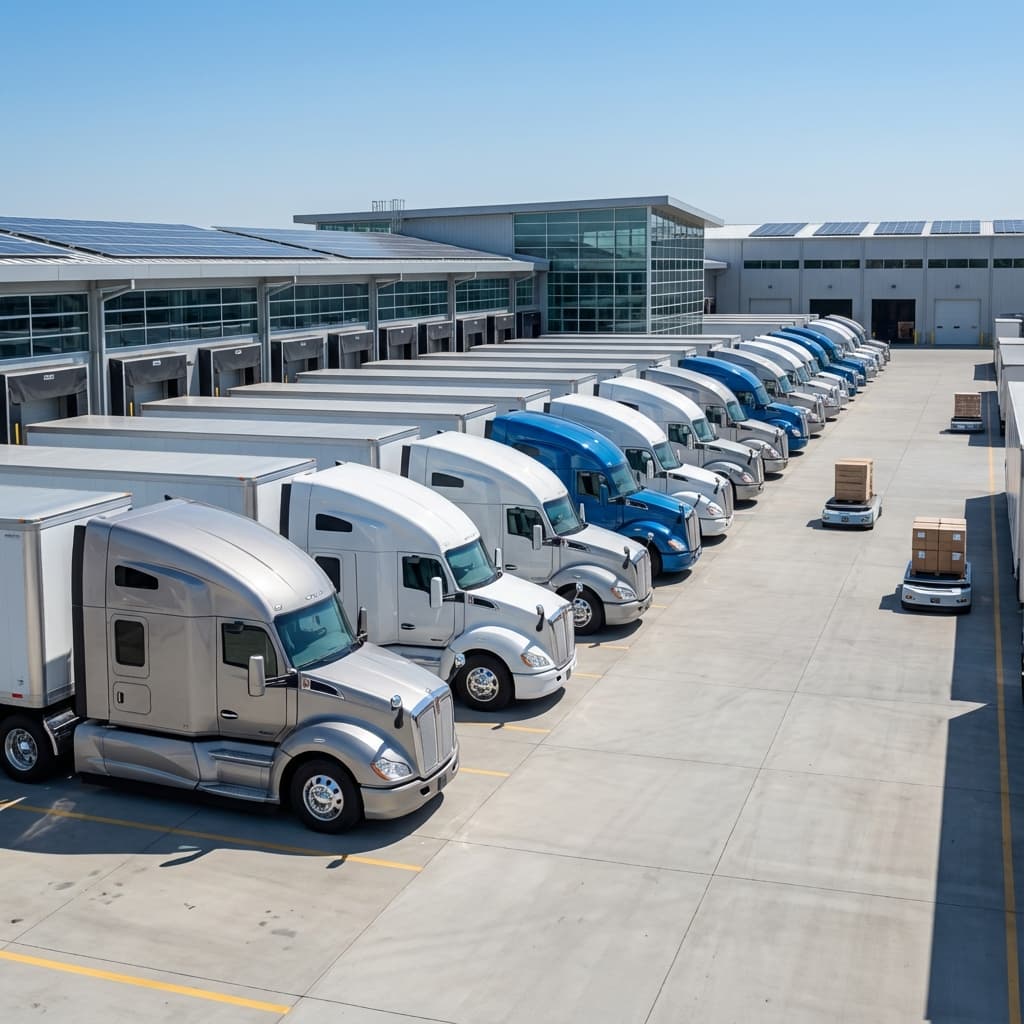
Transforming Raw Data into Strategic Growth
In the current trucking environment, the margin for error is slimmer than ever. Fluctuating fuel prices, shifting spot market rates, and rising insurance costs mean that motor carriers can no longer rely on intuition alone. To achieve sustainable growth, the modern carrier must transition from reactive management to operational intelligence—the practice of using real-time data to drive every business decision.
The Evolution of Telematics: From Compliance to Competitiveness
For many years, Electronic Logging Devices (ELDs) and telematics were viewed strictly through the lens of regulatory compliance. However, high-performing fleets have realized that these tools are goldmines of operational data. Beyond tracking Hours of Service (HOS), advanced telematics provide insights into engine diagnostics, idling patterns, and harsh braking events.
By integrating this data into your business operations, you can identify hidden costs. For instance, reducing idle time by just 10% across a fleet of twenty trucks can result in tens of thousands of dollars in annual fuel savings. This isn't just about safety; it's about bottom-line efficiency.
The Essential KPI Dashboard for Motor Carriers
To manage a fleet effectively, owners must move beyond looking at total revenue and focus on granular Key Performance Indicators (KPIs). At United Lanes, we recommend monitoring the following metrics weekly:
- Cost Per Mile (CPM): This is the foundation of your business. It must include fixed costs (insurance, permits, equipment debt) and variable costs (fuel, maintenance, driver pay).
- Revenue Per Total Mile: This metric accounts for deadhead (empty) miles. If your revenue per loaded mile is high but your deadhead percentage is over 15%, your operational efficiency is leaking profit.
- Truck Utilization Rate: Are your assets moving? Monitoring the percentage of time a truck is under load versus sitting idle helps determine if it's time to expand the fleet or consolidate operations.
- Maintenance Downtime: Tracking how long vehicles are out of service for repairs allows you to identify patterns in equipment failure and optimize your preventive maintenance schedule.
Driver Lifecycle Management and Retention
Operational efficiency is impossible without a stable driver pool. High turnover rates are one of the most significant hidden costs in trucking, often costing carriers between $5,000 and $10,000 per seat to recruit and train a replacement.
Use your operational data to improve driver satisfaction. Are your drivers consistently stuck at certain shippers for six hours? Use your ELD data to negotiate detention pay or seek higher-quality freight. When drivers see that management uses data to protect their time and earning potential, loyalty increases and turnover drops.
The Link Between Operations and Insurance Premiums
While this post focuses on operations, it is important to understand that underwriters are increasingly looking at operational maturity. A carrier that can demonstrate a data-driven approach to maintenance, route planning, and driver management is viewed as a lower risk. When you have a firm grasp on your operational data, you aren't just running a more profitable business—you are building a narrative of stability that helps secure better terms during your insurance renewal.
Strategic Route Optimization
Growth isn't just about adding more trucks; it's about making the current trucks more productive. Utilizing sophisticated routing software that accounts for real-time traffic, weather, and fuel prices allows dispatchers to provide more accurate ETAs to customers. This level of service allows motor carriers to transition away from low-margin load boards and toward direct shipper relationships, where reliability is rewarded with premium rates.
Conclusion: Building a Resilient Operation
The transition to a data-driven operation requires an investment in both technology and culture. However, the reward is a business that is resilient to market volatility. By mastering your KPIs and leveraging the intelligence provided by your fleet's data, you position your company not just to survive the current market, but to lead it.
Questions about
this topic?
Our specialists are ready to provide the personalized guidance you need for your specific situation.