The Operational Engine: Maximizing Fleet Longevity and ROI through Strategic Asset Management
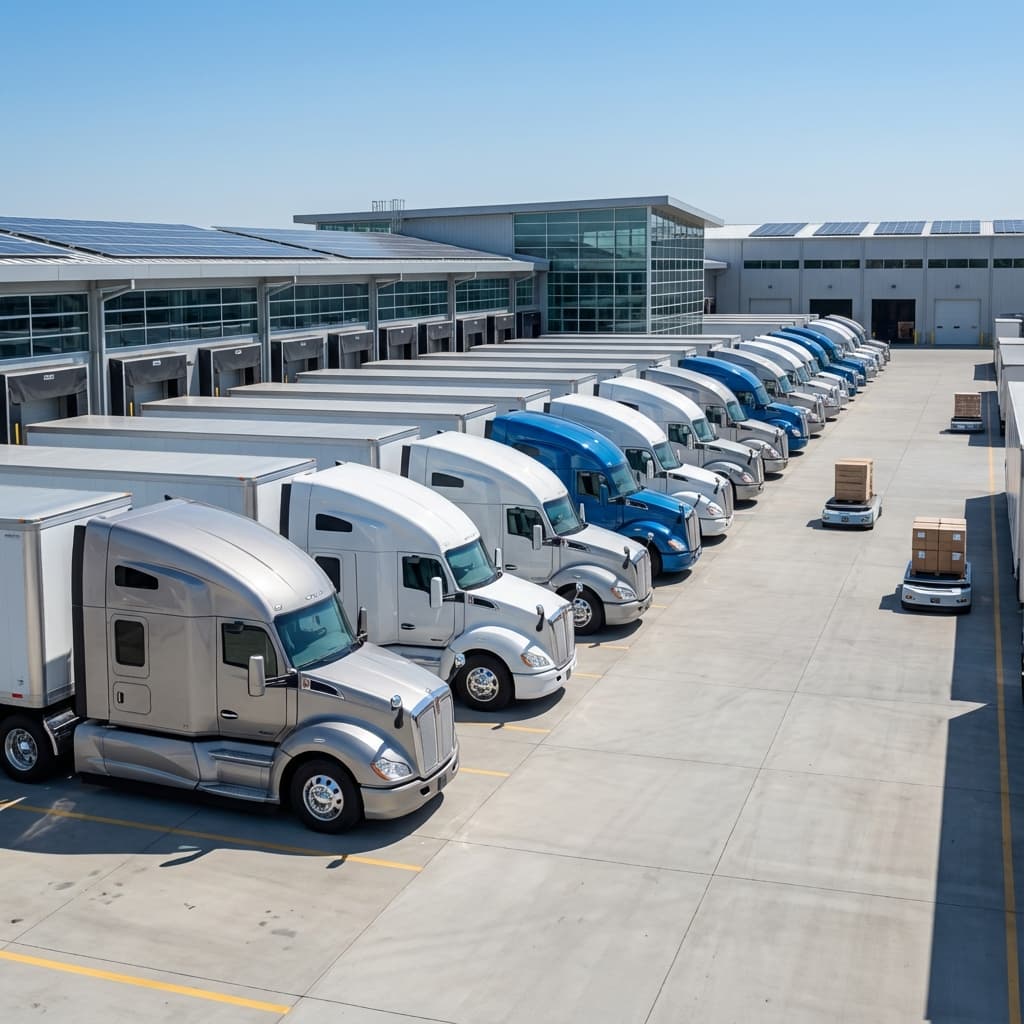
The Foundation of Operational Resilience
In the hyper-competitive world of logistics, your equipment is more than just a vehicle—it is the primary driver of your financial health. While many carriers focus heavily on load acquisition, the most profitable motor carriers distinguish themselves through strategic asset management. Effective business operations require a shift in perspective: viewing trucks and trailers not as depreciating expenses, but as a portfolio of high-value assets that require a meticulous lifecycle strategy.
The Shift from Reactive to Predictive Maintenance
One of the most significant leaks in a carrier’s bottom line is reactive maintenance. Emergency roadside repairs can cost up to three to four times more than scheduled shop visits, not including the opportunity cost of missed deliveries and damaged broker relationships. To achieve operational efficiency, carriers must move toward a Predictive Maintenance (PdM) model.
- Telematics Integration: Leverage real-time engine diagnostics to identify fault codes before they result in a derate or breakdown.
- Component Life Tracking: Monitor the average lifespan of high-wear items like alternators, turbos, and DPF filters to replace them during scheduled downtime.
- Fluid Analysis: Regular oil and coolant analysis can provide an early warning system for internal engine wear, preventing catastrophic failures that could sideline an asset for weeks.
Mastering Total Cost of Ownership (TCO)
To scale a trucking business sustainably, leadership must look beyond the monthly payment and focus on Total Cost of Ownership (TCO). This metric includes fuel efficiency, maintenance costs, insurance premiums, and downtime records over the life of the asset. Understanding your TCO allows you to make data-driven decisions on when to repair and when to replace.
A key component of TCO is the Lease vs. Buy decision. In a high-interest-rate environment, purchasing used equipment might seem like a way to save capital, but if that equipment results in a 15% increase in maintenance costs and a 5% decrease in fuel economy, the initial savings are quickly erased. Carriers must calculate the "break-even" point where the cost of maintaining an aging unit exceeds the cost of a new equipment payment.
Optimizing Fuel Efficiency as an Operational Strategy
Fuel remains one of the largest variable expenses for any motor carrier. Operational efficiency is significantly impacted by how a fleet manages its fuel burn. Beyond just finding the lowest price at the pump, carriers should focus on:
- Aerodynamic Investing: Equipping trailers with skirts, tails, and gap reducers can yield a 3-7% improvement in fuel economy.
- Idle Reduction Technologies: Auxiliary Power Units (APUs) not only save fuel but also reduce engine hours, extending the interval between major overhauls and increasing the truck's eventual resale value.
- Driver Performance Monitoring: Using telematics to coach drivers on progressive shifting and cruise control usage can lead to immediate gains in fleet-wide MPG.
Strategic Remarketing: Maximizing Resale Value
The final stage of asset management is the exit strategy. A truck that has been meticulously maintained with a documented service history can command a significant premium on the secondary market. By treating remarketing as a core business function, carriers can recoup more equity to reinvest into newer, more efficient technology. Keeping a "pedigree" file for every VIN—including all preventative maintenance records and component replacements—is an essential operational habit that pays dividends during the trade-in process.
Conclusion: The Path to Sustainable Growth
Operational excellence in trucking is a game of margins. By shifting the focus from simple survival to sophisticated asset management, motor carriers can build a more resilient business model. When your fleet runs efficiently, your overhead stabilizes, your drivers remain productive, and your business is positioned to capitalize on market upswings while weathering economic downturns.
Questions about
this topic?
Our specialists are ready to provide the personalized guidance you need for your specific situation.