The Operational Efficiency Protocol: Auditing Fleet Performance for Sustainable Growth
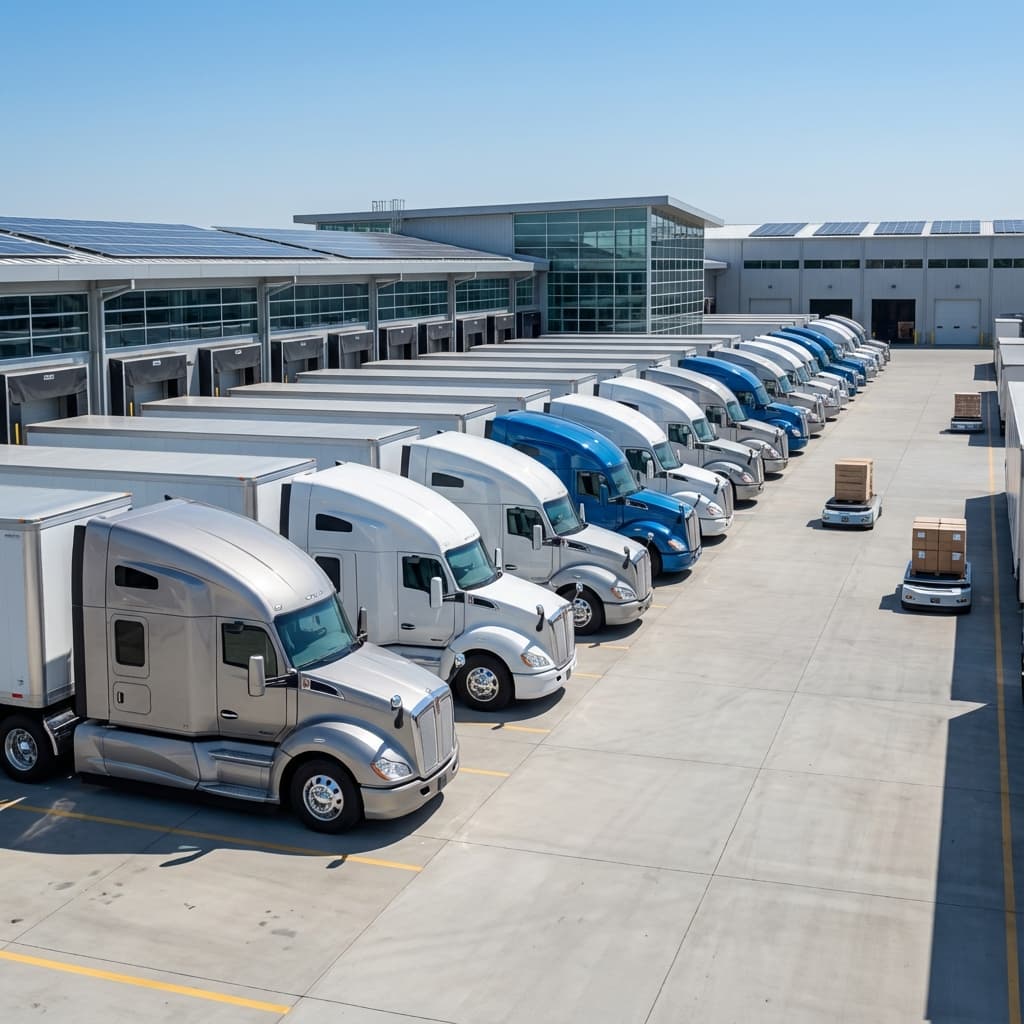
Beyond More Trucks: The True Path to Scalable Growth
For many motor carriers, the instinct for growth is to add power units as quickly as possible. However, in a volatile freight market, expanding a fleet without a foundation of operational efficiency can lead to increased overhead that outpaces revenue. True sustainability is found by auditing existing processes to ensure every mile driven contributes to the bottom line.
The Deadhead Challenge: Maximizing Asset Utilization
One of the most significant drains on a carrier’s profitability is underutilized equipment. Reducing non-revenue miles (deadhead) requires a strategic approach to load planning and dispatch. A thorough operational audit should examine:
- Lane Density: Are you operating in geographic areas where you have consistent backhaul opportunities? Concentrating operations on specific corridors allows for better volume negotiation and reduced empty miles.
- Triangulation Strategies: Instead of simple out-and-back routes, look for three-legged routes that keep the trailer loaded for a higher percentage of the total trip.
- Trailer-to-Tractor Ratios: In many operations, maintaining a higher trailer-to-tractor ratio allows for "drop and hook" programs, which significantly increase driver productivity and reduce dwell time.
The Downtime Tax: Strategic Preventive Maintenance
Unscheduled maintenance is more than just a repair bill; it is a disruption to the entire supply chain. A carrier’s Maintenance Management System (MMS) should transition from reactive to predictive. By analyzing historical data, carriers can replace components before they fail on the road.
From an insurance perspective, a well-documented maintenance program is a massive asset. Clean roadside inspections directly impact your CSA scores, which in turn influences your insurance premiums and your ability to secure high-value contracts with premium shippers.
Human Capital as an Operational Engine
Driver turnover is perhaps the most expensive operational failure in trucking. Estimates suggest that the cost of recruiting and training a new driver can range from $8,000 to $12,000. An efficient fleet treats driver retention as a core business operation rather than a human resources byproduct.
Efficiency in this area means streamlining communication between dispatch and drivers, ensuring equipment is reliable, and providing clear, performance-based incentives. When drivers feel supported by efficient backend operations, turnover drops, and the safety culture strengthens.
The Digital Dispatch: Leveraging Integrated Technology
Modern fleet management requires a robust Transportation Management System (TMS) that integrates with your ELD and telematics. This integration provides real-time visibility into:
- Fuel Efficiency: Identifying excessive idling or aggressive driving patterns that inflate fuel costs.
- Route Optimization: Moving beyond GPS to include real-time traffic, weather, and bridge height data to prevent costly delays or accidents.
- Automated Documentation: Reducing the administrative burden on drivers and office staff to ensure faster billing cycles and improved cash flow.
Conclusion: Establishing the Cost-Per-Mile Standard
Every operational decision should ultimately be filtered through the lens of Cost-Per-Mile (CPM). By auditing your operations to lower your CPM while maintaining high safety standards, you create a resilient business model that can withstand market downturns and capitalize on growth opportunities. At United Lanes Insurance, we recognize that the most efficient fleets are also the most insurable, creating a virtuous cycle of lower costs and higher profitability.
Questions about
this topic?
Our specialists are ready to provide the personalized guidance you need for your specific situation.