The Margin Optimizer: Mastering Data-Driven Operational Efficiency for Modern Motor Carriers
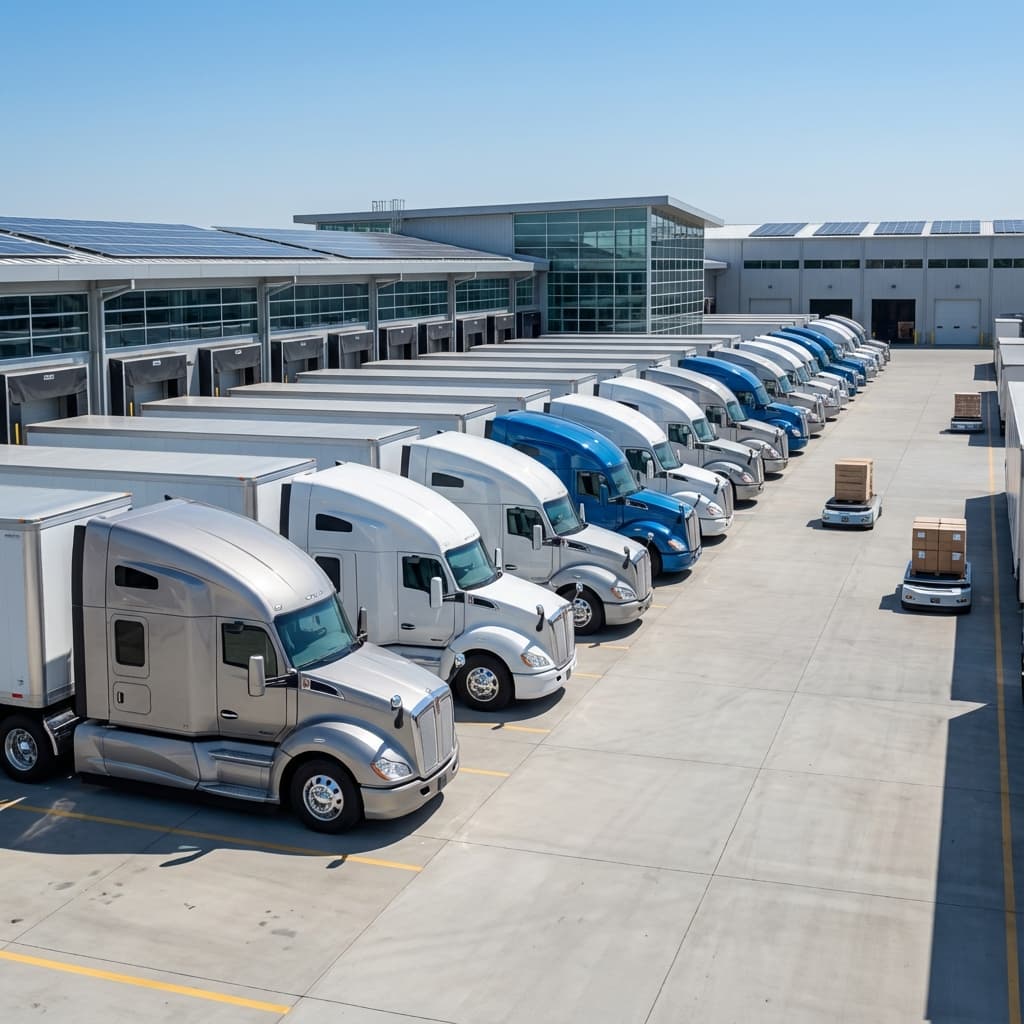
Beyond the Logbook: The Data-Driven Revolution in Trucking
For decades, many motor carriers operated on intuition and 'back-of-the-napkin' math. However, in today’s volatile market—characterized by fluctuating fuel prices, tightening regulations, and shifting freight demand—intuition is no longer enough. To build a sustainable and scalable business, fleet owners must transform into data-driven decision-makers.
At United Lanes Insurance, we see firsthand the difference between carriers that struggle and those that thrive. The winners are those who master their operational efficiency by treating every mile as a data point. This post explores the core strategies for optimizing your business operations through the lens of modern analytics.
1. Deconstructing Your True Cost Per Mile (CPM)
Most carriers know their average rate per mile, but few have a granular understanding of their True Cost Per Mile (CPM). To optimize margins, you must break down costs into fixed and variable categories:
- Fixed Costs: Insurance premiums, permits, equipment leases, and office overhead.
- Variable Costs: Fuel, maintenance, driver wages, and tires.
By tracking these daily, you can identify 'profit leaks.' For instance, if your CPM is $1.85 and the market rate drops to $1.90, your margin is too thin to absorb any equipment downtime. Professional carriers use this data to set hard floors for their dispatchers, ensuring that no load is taken at a loss.
2. Fuel Management: The Strategic Lever
Fuel remains the largest variable expense for any motor carrier. Improving fuel efficiency by just 0.5 MPG across a fleet of 10 trucks can save tens of thousands of dollars annually. Focus on these three data-driven pillars:
Idle Time Reduction
Telematics data often reveals that trucks spend 20-30% of their engine hours idling. Implementing strict idle policies and investing in Auxiliary Power Units (APUs) can provide an immediate boost to the bottom line.
Route Optimization
It’s not just about the shortest distance; it’s about the most efficient path. Data tools now allow carriers to account for terrain, traffic patterns, and fuel price mapping—directing drivers to stop at locations where pre-negotiated fuel discounts are deepest.
3. The Maintenance Lifecycle: From Reactive to Predictive
Reactive maintenance—fixing things when they break—is the most expensive way to run a fleet. It leads to towing fees, emergency repair surcharges, and lost revenue from missed loads. Predictive maintenance uses sensor data from the truck’s ECM to forecast failures before they occur.
By scheduling maintenance during a driver’s mandatory reset, you maximize asset utilization. Furthermore, a well-documented maintenance history significantly improves the resale value of your equipment and can even lead to more favorable underwriting during your insurance renewal.
4. Tackling the Dwell Time Drain
One of the greatest hidden costs in trucking is 'dwell time'—the hours lost at shipper and receiver docks. Data tracking allows you to identify 'problem facilities.' If a specific customer consistently keeps your drivers waiting for four hours without adequate detention pay, that contract is likely eroding your profitability.
Strategic carriers use dwell time data as a negotiation tool. Presenting a shipper with hard data regarding their loading delays often leads to either improved facility processes or higher contract rates to compensate for the lost productivity.
5. Scaling Through Operational Resilience
Growth is not just about adding more trucks; it’s about increasing the output per asset. Before expanding your fleet, ensure your current operations are optimized. Ask yourself:
- Is our deadhead percentage under 10%?
- Are we utilizing trailer tracking to prevent 'lost' equipment?
- Do we have a driver retention strategy based on performance incentives rather than just flat pay?
By focusing on these operational efficiencies, you build a business that is not only more profitable but also more insurable. Risk mitigators like United Lanes value carriers that demonstrate a high degree of control over their operations, as efficiency and safety almost always go hand-in-hand.
Conclusion
The transition from a traditional motor carrier to a data-driven enterprise is a journey, not a destination. By focusing on your true CPM, fuel efficiency, predictive maintenance, and facility performance, you move your business from a state of survival to a state of strategic growth. In the modern trucking landscape, the most successful carriers are those that drive their data as skillfully as they drive their trucks.
Questions about
this topic?
Our specialists are ready to provide the personalized guidance you need for your specific situation.