The Lifecycle Advantage: Strategic Asset Management and the Financial Health of Modern Fleets
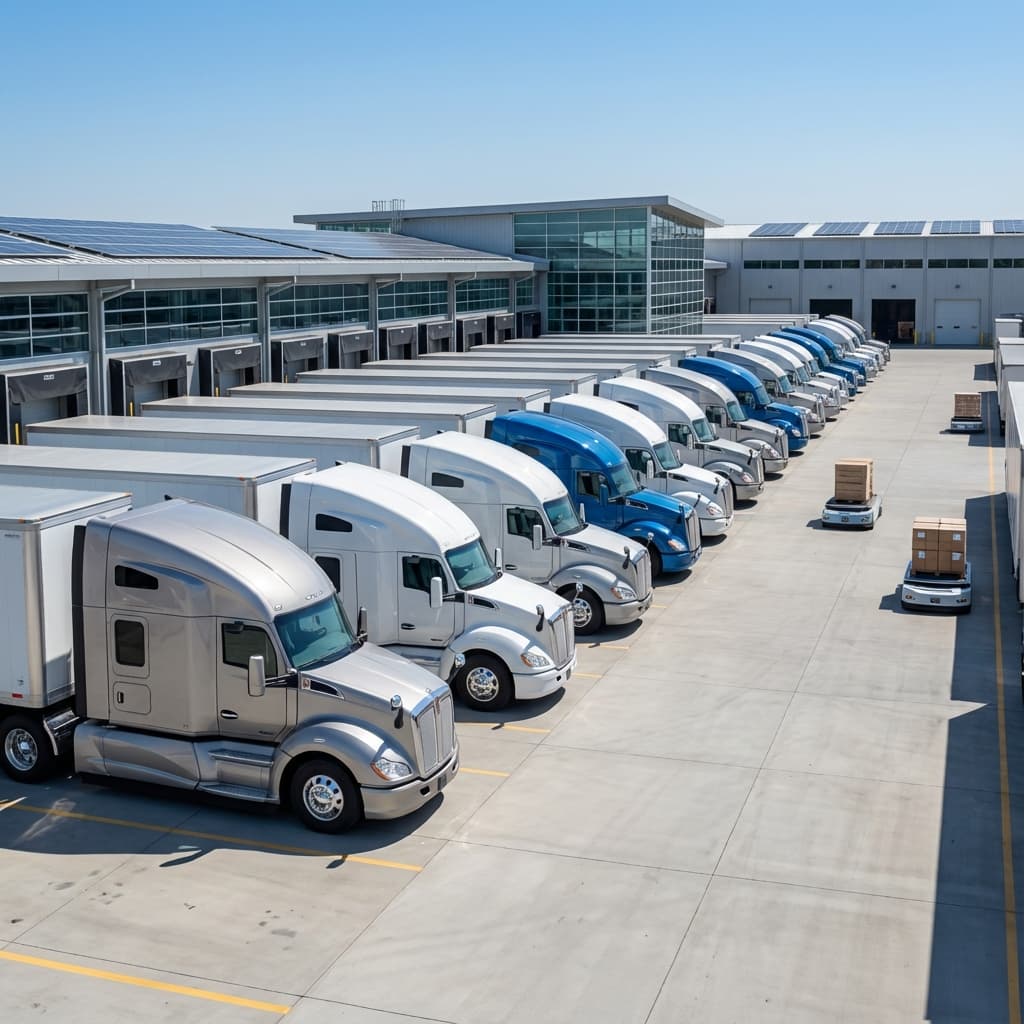
Optimizing the Backbone of Your Business
In the high-stakes world of trucking, your fleet is more than just a collection of vehicles; it is your largest capital investment and the primary driver of your revenue. While many motor carriers focus exclusively on securing loads, the most successful operations treat asset management as a core strategic pillar. Efficiently managing the lifecycle of your trucks—from acquisition to disposal—is essential for maintaining cash flow, ensuring safety compliance, and stabilizing insurance premiums.
Strategic Procurement: Balancing Capital Outlay and Operational Reliability
The decision to expand or refresh a fleet often hinges on the choice between new and late-model used equipment. Each path has significant implications for your balance sheet:
- New Equipment: While the initial cost is higher, the benefits of manufacturer warranties, improved fuel efficiency, and the latest safety technology often lead to lower long-term maintenance costs and reduced downtime. Furthermore, newer fleets often qualify for more competitive insurance rates due to advanced driver-assistance systems (ADAS).
- Used Equipment: Purchasing used units can preserve capital for other operational needs. However, carriers must perform rigorous due diligence. A lower purchase price can quickly be negated by frequent repairs and the high opportunity cost of a truck that isn't moving freight.
The Predictive Maintenance Revolution
Operational efficiency is won or lost in the shop. Moving from a reactive "fix it when it breaks" mentality to a predictive maintenance model is a hallmark of elite motor carriers. By leveraging data from engine control modules (ECMs), carriers can identify potential failures before they result in a roadside breakdown.
Why Maintenance Matters to Your Insurer
From an insurance perspective, a well-maintained fleet is a lower-risk fleet. Evidence of a robust maintenance program demonstrates to underwriters that the carrier is proactive about safety. Regular inspections of brakes, tires, and lighting systems reduce the likelihood of mechanical-failure accidents and improve your Compliance, Safety, Accountability (CSA) scores, which directly influences your premium volatility.
Maximizing Asset Utilization and Efficiency
To scale sustainably, carriers must maximize the revenue generated by every mile driven. This involves more than just keeping the wheels turning; it requires deep operational analysis:
- Route Optimization: Reducing deadhead miles and optimizing fuel stops can add thousands of dollars back to the bottom line annually.
- Telematics Integration: Modern telematics provide real-time visibility into driver behavior, idling time, and fuel consumption. Using this data to coach drivers not only saves on fuel but reduces the wear and tear that accelerates asset depreciation.
- Load Density: Ensuring that equipment is utilized to its maximum weight or volume capacity increases the efficiency of every gallon of diesel burned.
The Art of the Exit: Strategic Asset Disposal
One of the most overlooked aspects of fleet management is the exit strategy. Holding onto a truck for too long can lead to a "maintenance cliff"—a point where repair costs exceed the remaining value of the vehicle. Monitoring secondary market trends allows carriers to time their disposals when resale values are high.
United Lanes Insurance recommends that carriers maintain a staggered replacement schedule. By rotating a portion of the fleet every few years, you avoid a massive, simultaneous capital expenditure and ensure that your operation always has a baseline of reliable, technologically advanced equipment on the road.
Conclusion: Integrating Operations and Risk Management
A sophisticated asset management strategy is the foundation of a resilient trucking business. By focusing on smart procurement, predictive maintenance, and strategic disposal, motor carriers can protect their margins and position themselves for long-term growth. At United Lanes, we understand that your operational efficiency is your best defense against market volatility, and we are committed to helping you navigate the complexities of scaling your fleet with confidence.
Questions about
this topic?
Our specialists are ready to provide the personalized guidance you need for your specific situation.