The Intelligence Advantage: Transforming Operational Data into Fleet Scalability
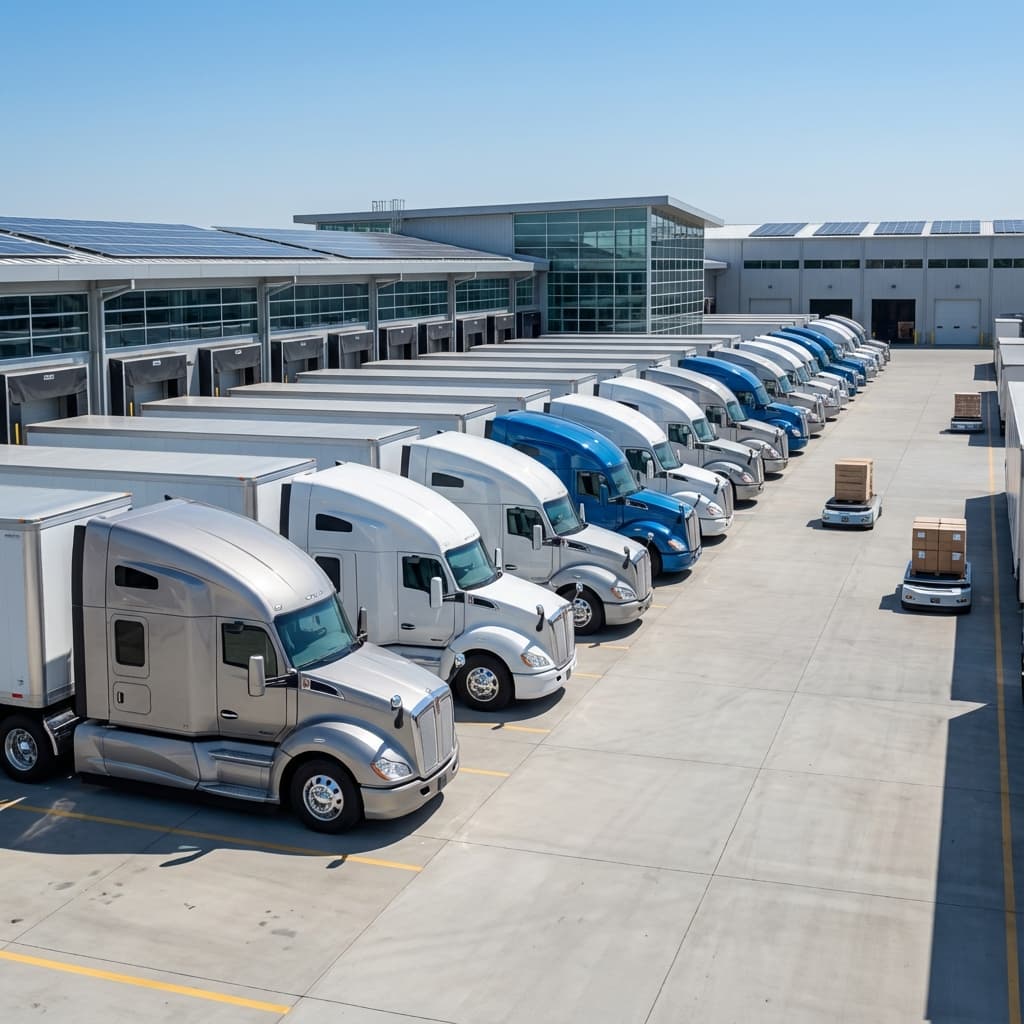
The Shift from Intuition to Intelligence
In the traditional trucking model, decisions were often made based on 'gut feeling' or historical norms. However, the modern motor carrier operates in an environment of razor-thin margins and high volatility. To scale successfully, fleet owners must transition from reactive management to proactive operational intelligence. By leveraging data, carriers can identify inefficiencies, optimize asset utilization, and present a more attractive risk profile to insurance underwriters.
Maximizing Asset Utilization through Telematics
Telematics technology has evolved far beyond simple GPS tracking. For a growing fleet, these systems provide a window into the heartbeat of the operation. To improve efficiency, carriers should focus on three critical metrics:
- Idle Time Reduction: Excessive idling wastes fuel and accelerates engine wear. Monitoring and incentivizing drivers to reduce idle time can save thousands of dollars per power unit annually.
- Route Optimization: Analyzing historical route data allows dispatchers to identify patterns of delay and pivot toward more efficient corridors, reducing empty miles and improving driver home-time.
- Dwell Time Analysis: By tracking how long trucks spend at shipper facilities, carriers can identify 'problem' customers and renegotiate detention rates or reallocate capacity to more efficient partners.
The Power of Predictive Maintenance
Unscheduled downtime is a growth killer. When a truck is sidelined, it isn't just a repair bill; it's lost revenue and potential service failures that damage broker relationships. Predictive maintenance uses real-time engine diagnostics to alert fleet managers to potential issues before they cause a breakdown.
Operational efficiency increases when maintenance is scheduled during a driver's mandatory reset or between loads, rather than in the middle of a high-priority transit. Furthermore, a well-documented maintenance history is a key factor in maintaining the resale value of equipment, providing the capital necessary for fleet expansion.
Benchmarking Key Performance Indicators (KPIs)
You cannot manage what you do not measure. To achieve sustainable growth, motor carriers must establish and track specific KPIs that reflect the health of their business operations. These should include:
- Operating Ratio: Total expenses divided by gross revenue. This provides a clear snapshot of how much it costs to generate every dollar of income.
- Revenue Per Mile (RPM) vs. Cost Per Mile (CPM): Understanding the spread between these two numbers is essential for load selection and contract negotiations.
- Driver Turnover Rate: High turnover is an operational drain. Tracking this allows management to intervene with retention strategies before the cost of recruiting and onboarding erodes profitability.
The Insurance Implications of Operational Excellence
From an insurance perspective, a data-driven fleet is a lower-risk fleet. When a carrier can demonstrate a systematic approach to maintenance, route safety, and operational oversight, they provide underwriters with confidence. Transparency in your operations—showing that you monitor speed, harsh braking, and equipment health—allows you to differentiate your business from 'commodity' carriers, often leading to more favorable terms and long-term premium stability.
Building a Scalable Infrastructure
Growth is not merely adding more trucks; it is about building the infrastructure that allows those trucks to operate profitably. This requires a robust Transportation Management System (TMS) that integrates with your accounting and telematics platforms. By centralizing this data, leadership can see a 'single version of the truth,' allowing for faster, more accurate decision-making that supports long-term fleet scalability.
Questions about
this topic?
Our specialists are ready to provide the personalized guidance you need for your specific situation.