The Integrated Fleet: Leveraging Technology Synergies to Drive Operational Excellence
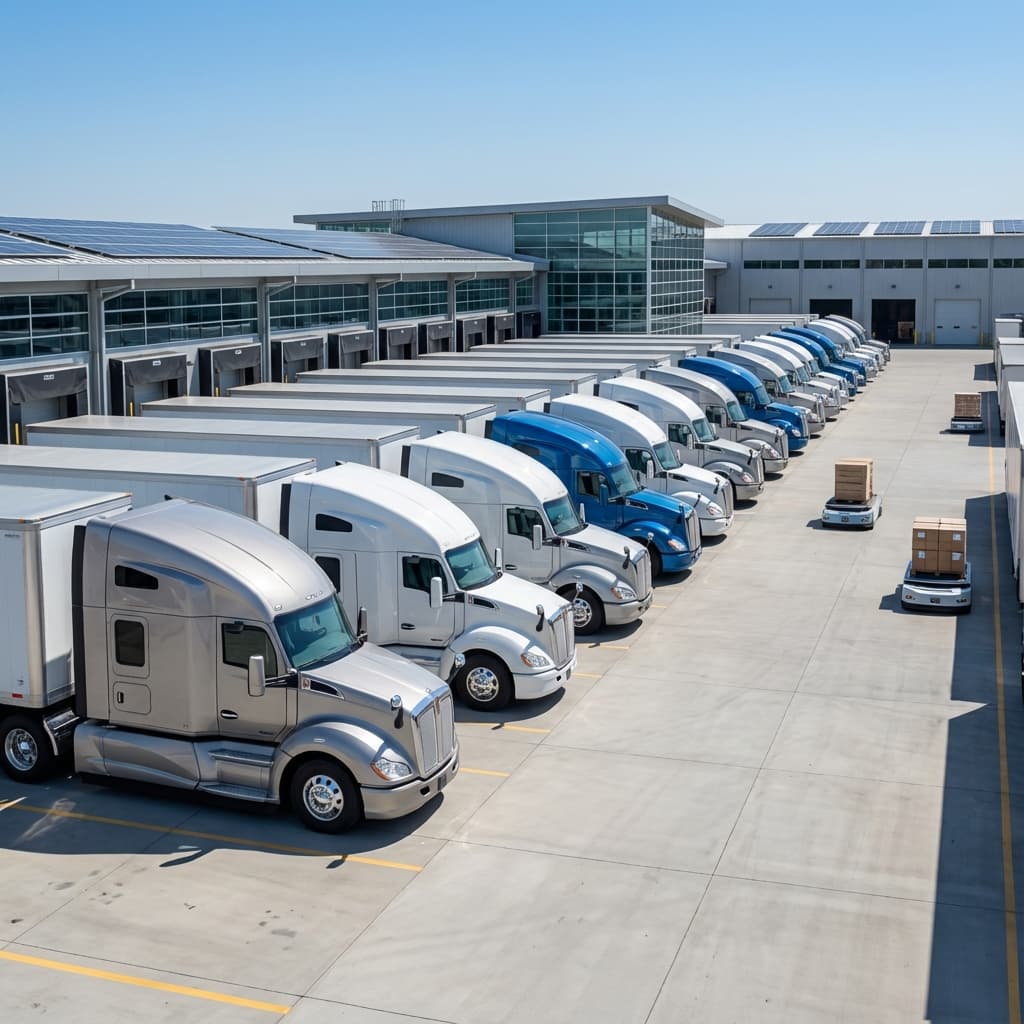
The Evolution of the Integrated Motor Carrier
In the modern freight landscape, operational efficiency is no longer just about miles per gallon or driver retention; it is about the seamless integration of data across every facet of the business. For growing motor carriers, the shift from manual oversight to an integrated technology ecosystem is the primary driver of sustainable profitability. When your ELD, maintenance software, and safety cameras communicate effectively, you create a feedback loop that protects your margins and your reputation.
Eliminating Information Silos
Many motor carriers suffer from 'data fragmentation,' where the safety department, dispatch, and maintenance teams operate using different platforms that don't share information. This leads to missed opportunities and increased risk. A truly integrated operation leverages Application Programming Interfaces (APIs) to ensure that:
- Maintenance alerts are automatically flagged in the dispatch system to prevent scheduling a truck that is due for a critical inspection.
- Driver performance data from telematics informs real-time routing decisions to avoid high-risk corridors or excessive idling.
- Fuel card data is reconciled instantly with GPS locations to prevent fraud and monitor fuel efficiency trends.
The Maintenance-Safety Nexus
Operational excellence is often won or lost at the roadside. An integrated fleet management system allows carriers to move from reactive to predictive maintenance. By monitoring engine fault codes via the ELD in real-time, fleet managers can address mechanical issues before they trigger a Level I inspection violation. This proactive stance does more than just keep the trucks moving; it preserves your CSA (Compliance, Safety, Accountability) scores, which are a critical factor in securing high-paying freight and favorable insurance premiums.
Video Telematics: The Operational Eye in the Sky
While many carriers view dashcams solely as a tool for accident exoneration, the business-savvy operator uses video telematics as a management tool. Integrating AI-driven video with your safety program allows for:
Targeted Driver Coaching
Rather than generalized training, data allows you to focus on specific behaviors—such as following distance or harsh braking—that increase wear and tear on the vehicle and risk on the road.
Proof of Delivery and Service
Video data can often resolve disputes regarding detention time or cargo damage at the receiver, protecting your revenue stream and improving broker relationships.
Transforming Data into Insurance Leverage
From an underwriting perspective, a carrier that can demonstrate a high level of technological integration is a 'preferred risk.' At United Lanes Insurance, we see firsthand how carriers with integrated systems manage their Total Cost of Risk (TCOR) more effectively. By providing 'clean' data to your agent, you can prove that your operation is managed with precision, often leading to better terms and higher capacity from top-tier insurers.
Conclusion: Building for Scalability
Operational efficiency is the foundation of growth. As you scale your fleet, the manual processes that worked for five trucks will fail at fifty. By investing in a unified technology stack today, you are not just buying software—you are building a resilient operational framework that can withstand market volatility and position your motor carrier as a leader in the industry.
Questions about
this topic?
Our specialists are ready to provide the personalized guidance you need for your specific situation.