The Infrastructure of Efficiency: Building a High-Performance Fleet Through Operational Modernization
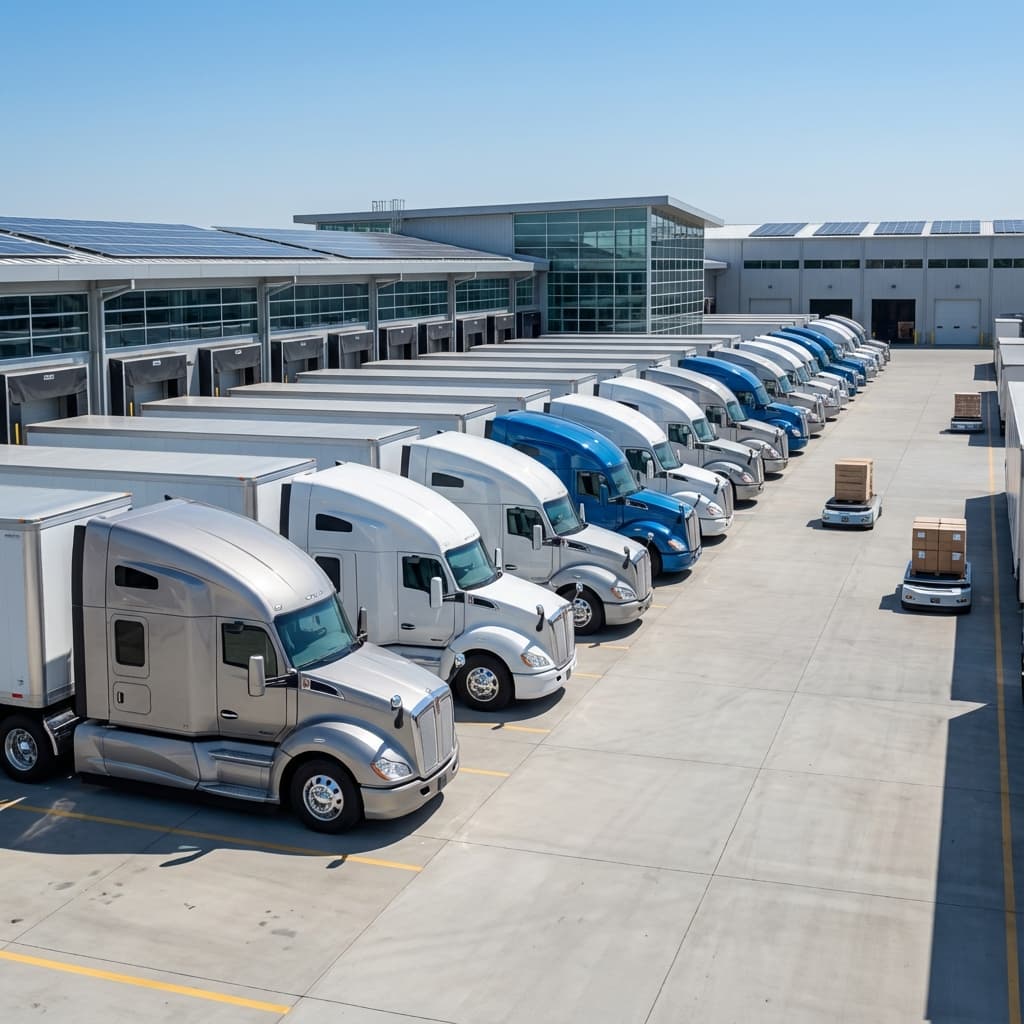
The Shift from Reactive to Proactive Fleet Management
In the current trucking environment, the margin for error is razor-thin. Motor carriers are facing a volatile mix of fluctuating fuel costs, rising equipment prices, and tightening regulatory oversight. To survive and thrive, leadership must move beyond the traditional 'reactive' model—fixing trucks when they break and addressing safety issues after an inspection failure—and embrace a proactive infrastructure of efficiency.
Operational modernization is not just about buying newer trucks; it is about building a data-driven ecosystem that maximizes the utility of every asset and every hour of drive time. For the modern motor carrier, efficiency is the most reliable hedge against market volatility.
The Command Center: Integrating Advanced TMS Solutions
A robust Transportation Management System (TMS) is the central nervous system of a high-performance fleet. Without one, carriers often find themselves buried in spreadsheets, leading to communication silos and missed opportunities for optimization. A modern TMS provides three critical advantages:
- Automated Dispatch and Routing: By reducing deadhead miles through intelligent load matching and route optimization, carriers can significantly increase their revenue per mile.
- Real-Time Asset Visibility: Knowing exactly where every trailer and power unit is located allows for better scheduling and reduces the risk of equipment theft or unauthorized use.
- Financial Clarity: Integrated billing and settlement modules ensure that cash flow is managed accurately, providing the liquidity needed for growth and unexpected repairs.
Telematics: Moving Beyond Compliance
While Electronic Logging Devices (ELDs) are a regulatory requirement, the most successful fleets use telematics as a business intelligence tool. Modern telematics platforms provide a wealth of data that can be leveraged to reduce operational overhead. Fuel management is a primary example; by monitoring idling times and speed patterns, fleet managers can implement training programs that yield a 5-10% reduction in fuel consumption across the fleet.
Furthermore, telematics provide early warning signs for mechanical issues. By monitoring engine diagnostics in real-time, carriers can schedule repairs before a minor sensor failure turns into a catastrophic roadside breakdown, saving thousands in towing fees and lost uptime.
Preventive Maintenance as a Competitive Advantage
Fleet management excellence is rooted in the shop. A rigorous, data-backed preventive maintenance (PM) schedule does more than just keep trucks on the road; it preserves the residual value of the equipment and enhances the carrier’s safety profile. High-performance carriers treat PM as a fixed operational priority rather than a flexible suggestion.
Key components of an elite maintenance strategy include:
- Predictive Component Replacement: Using historical data to replace high-wear items (like alternators or belts) before their statistically likely failure point.
- Tire Pressure Monitoring Systems (TPMS): Maintaining optimal tire pressure is the simplest way to improve fuel economy and prevent dangerous blowouts.
- Documented Integrity: Keeping meticulous digital records of all service work not only simplifies DOT audits but also demonstrates to insurance underwriters that the fleet is a lower-risk investment.
The Human Element: Data-Driven Driver Retention
Efficiency is impossible without a stable, professional driver pool. High turnover is one of the most significant hidden costs in trucking business operations. Modern carriers are now using data to improve the driver experience. By analyzing detention times at specific shippers or identifying routes with frequent delays, operations teams can advocate for their drivers, ensuring they are spending more time moving and earning.
Implementing transparency in performance metrics also builds trust. When drivers have access to their own safety and efficiency data, and are rewarded with performance-based incentives, they become active partners in the company’s success rather than just employees.
The Bottom Line: Efficiency and Risk Management
From an insurance perspective, an efficient fleet is almost always a safer fleet. When operations are streamlined, drivers are less stressed, equipment is better maintained, and the likelihood of a claim-triggering event drops precipitously. By investing in the infrastructure of efficiency, motor carriers do more than just improve their daily operations—they build a resilient business model capable of scaling in any economic climate.
Questions about
this topic?
Our specialists are ready to provide the personalized guidance you need for your specific situation.