The Growth Engine: Engineering a Scalable Infrastructure for Motor Carrier Expansion
Beyond the Driver’s Seat: The Structural Shift of Scaling
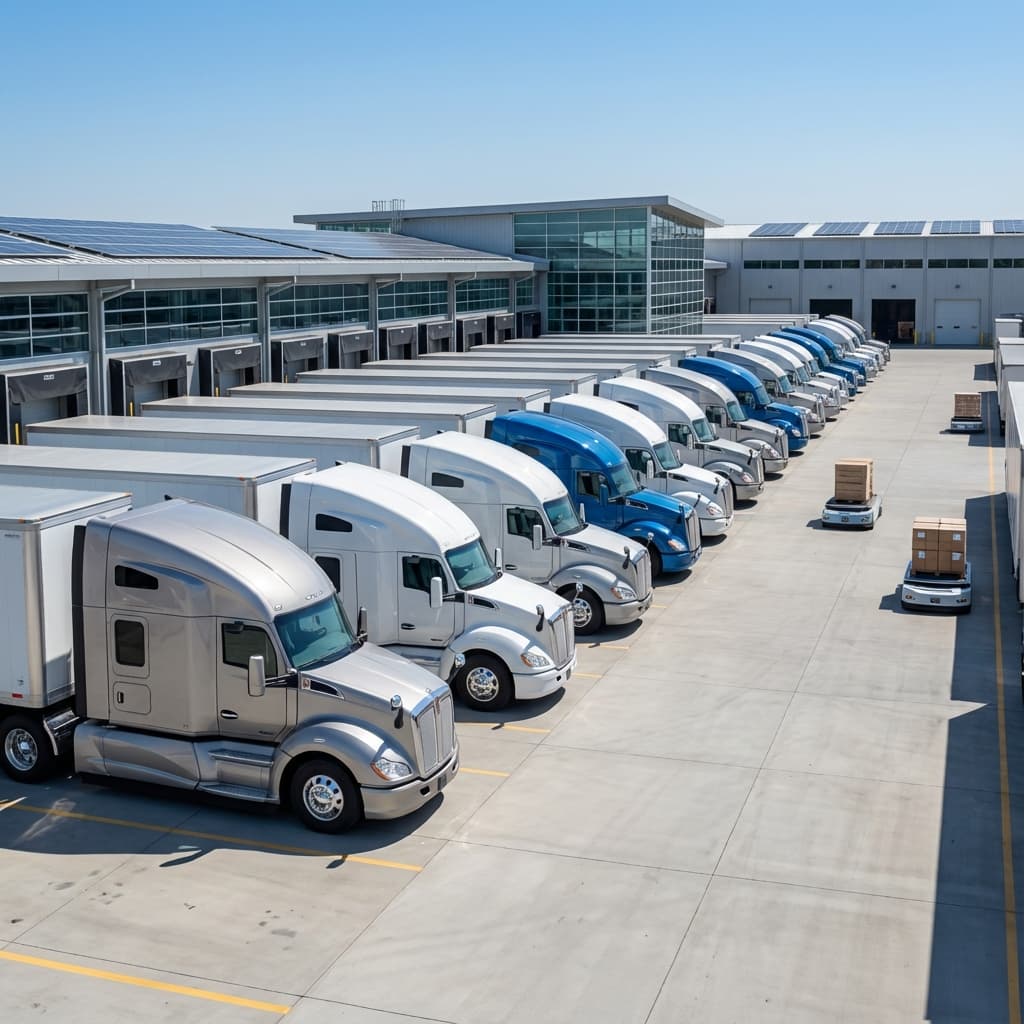
For many motor carriers, the journey from five trucks to twenty-five represents the most treacherous phase of business growth. It is the point where the founder can no longer oversee every load, every maintenance check, and every safety violation personally. To bridge this gap, carriers must stop thinking of themselves as a collection of trucks and start operating as a scalable logistics enterprise.
At United Lanes Insurance, we observe that the most successful fleets don't just grow—they mature. This guide outlines the essential operational pillars required to build a resilient infrastructure for long-term expansion.
1. The Power of Standard Operating Procedures (SOPs)
Growth without documentation leads to chaos. When a carrier scales, tribal knowledge—the information stored in the owner’s head—must be converted into formal SOPs. This ensures consistency regardless of who is behind the desk or the wheel.
- Driver Onboarding: A standardized process for vetting, training, and integrating new hires to ensure safety culture is maintained.
- Maintenance Schedules: Moving from reactive repairs to a rigorous, documented preventive maintenance program that preserves asset value.
- Reporting Protocols: Defined workflows for OS&D (Over, Short, and Damaged), roadside inspections, and internal accident reporting.
2. Centralized Operations and Technological Integration
As your fleet grows, the complexity of dispatching and planning increases exponentially. A scalable infrastructure requires a shift toward centralized operational control. This is where a robust Transportation Management System (TMS) becomes non-negotiable.
A high-functioning TMS acts as the single source of truth for the organization, integrating load boards, billing, and driver payroll. By centralizing this data, management gains the ability to identify bottlenecks in real-time rather than waiting for month-end financial statements. Efficiency in this stage is measured by your 'power unit to staff' ratio; a scalable office should be able to manage more trucks with fewer administrative touches.
3. Financial Maturity: From Cash Flow to Forecasting
Many small carriers operate on a cash-flow basis—if there is money in the bank, the business is doing well. However, scaling requires accrual-based financial management and sophisticated forecasting. You must understand your true cost-per-mile (CPM) across different lanes and seasons.
Key Financial Indicators for Growth:
- Operating Ratio (OR): Monitoring your expenses as a percentage of your revenue to ensure margins aren't being eroded by overhead.
- Revenue Per Truck Per Week: A granular look at asset utilization.
- Debt-to-Equity Balance: Ensuring that fleet expansion is financed sustainably without over-leveraging the company during market downturns.
4. Building a Resilient Back-Office Team
The biggest bottleneck to growth is often the founder's inability to delegate. To scale, you must hire for specialized roles rather than generalists. This means investing in a dedicated safety director, a professional recruiter, and a data-focused fleet manager.
Investing in talent allows the owner to step back from daily fire-fighting and focus on high-level strategy, such as securing direct shipper contracts or exploring specialized niches like flatbed or temperature-controlled freight that offer higher barriers to entry and better margins.
5. The Cultural Component of Efficiency
Operational efficiency is as much about people as it is about software. A culture of accountability and transparency is required to keep a large fleet moving in the same direction. Implementing performance-based incentives for both drivers and office staff aligns individual goals with the company’s growth targets.
When every member of the team understands the KPIs that drive the business, the organization becomes self-correcting. Drivers become more conscious of idle time and fuel efficiency, while dispatchers focus on minimizing deadhead miles and maximizing driver home time—factors that directly impact retention and the bottom line.
Conclusion: Scaling with Intent
Scaling a motor carrier is not a linear process; it is a series of structural upgrades. By focusing on SOPs, financial governance, and professionalizing the back office, you create a foundation that can support twenty, fifty, or a hundred trucks without collapsing under its own weight. At United Lanes, we are committed to helping you navigate the risks of this transition, ensuring your insurance and operational strategies evolve alongside your fleet.
Questions about
this topic?
Our specialists are ready to provide the personalized guidance you need for your specific situation.