The Efficiency Quotient: Mastering Data-Driven Operational Control for Sustainable Profitability
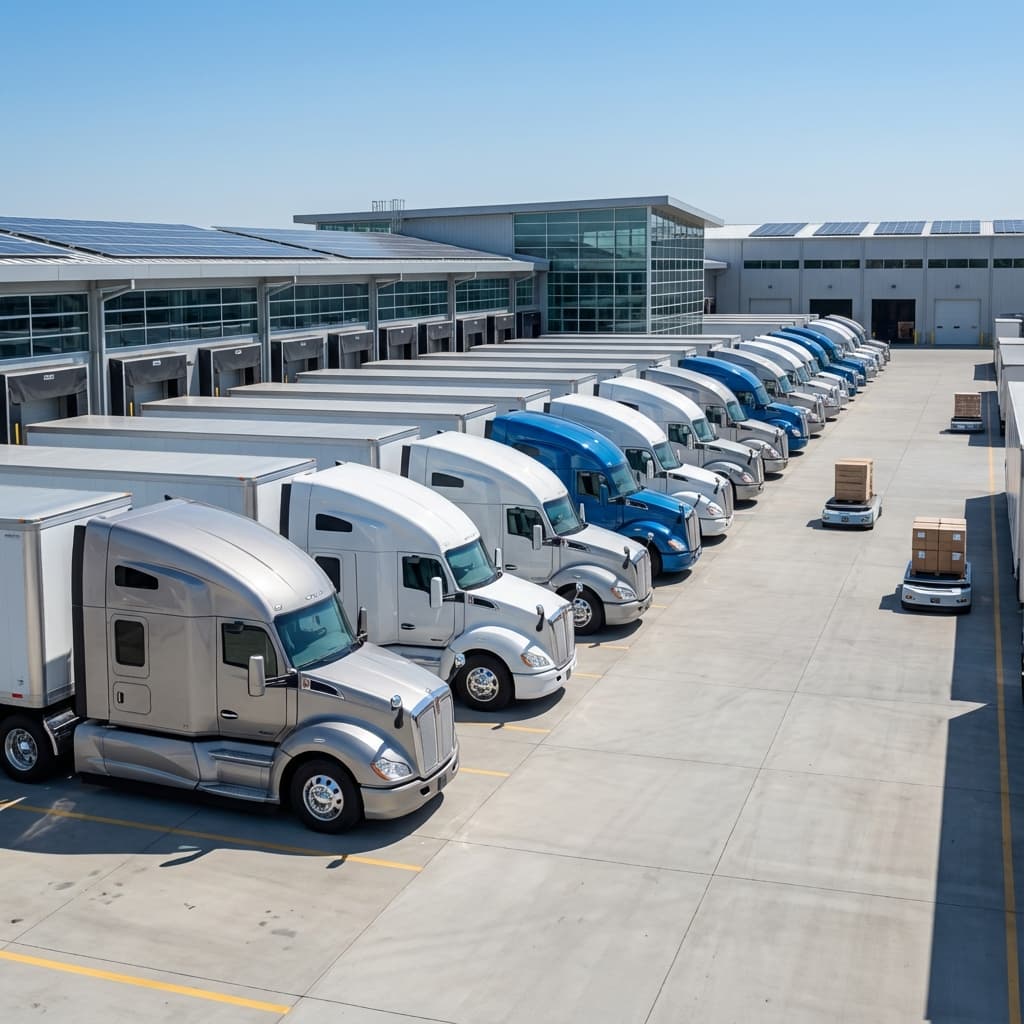
Driving Growth Through Operational Precision
For modern motor carriers, the difference between a thriving fleet and one struggling to keep the lights on often comes down to the Efficiency Quotient. While many owners focus solely on securing high-paying loads, the most successful operations understand that profitability is won in the back office through meticulous operational control. By shifting from a reactive mindset to a data-driven strategy, carriers can insulate themselves from market volatility and rising fuel prices.
1. Optimizing the Variable Cost Matrix
Fuel and maintenance represent the lion's share of variable expenses. However, many carriers treat these as 'fixed' realities rather than manageable variables. Implementing advanced telematics allows for real-time monitoring of idle time, speed management, and route optimization. Reducing idle time by just 10% across a fleet of 20 trucks can yield tens of thousands of dollars in annual savings, which flows directly to the bottom line.
- Fuel Hedging and Programs: Move beyond simple fuel cards and leverage data to identify the lowest-cost fueling stops along specific corridors.
- Driver Coaching: Use performance metrics to incentivize fuel-efficient driving habits, creating a culture where drivers are stakeholders in the company’s efficiency.
2. Predictive Maintenance as a Strategic Asset
The cost of a roadside breakdown is far higher than the price of a tow; it includes missed delivery windows, potential freight claims, and negative impacts on your safety score. Moving toward a predictive maintenance model involves using vehicle diagnostic data to address mechanical issues before they lead to failure.
By tracking 'Mean Time Between Failures' for critical components, fleet managers can schedule repairs during planned downtime. This proactive approach ensures maximum equipment utilization and preserves the resale value of the power units, turning your fleet into a more liquid business asset.
3. The Integrated Tech Stack: Eliminating Information Silos
Operational efficiency is often hampered by fragmented data. When your ELD, dispatch software, accounting system, and maintenance logs don't talk to each other, you lose visibility. A truly efficient motor carrier utilizes an integrated Transportation Management System (TMS) to bridge these gaps.
An integrated system allows for better 'Yield Management'—understanding the exact cost-per-mile for every lane and every customer. This level of granularity enables carriers to fire low-margin freight and double down on the routes that contribute the most to fixed-cost coverage.
4. Asset Lifecycle and Vendor Management
Strategic growth requires a disciplined approach to equipment procurement and vendor relationships. Rather than buying equipment when cash is abundant, top-tier carriers use an Asset Lifecycle Plan. This involves analyzing the 'sweet spot' of truck ownership—where maintenance costs are still low and trade-in value remains high.
Furthermore, consolidating vendor relationships (tires, parts, and lubricants) allows carriers to negotiate volume-based pricing and priority service. These partnerships are critical for maintaining a lean operation during economic contractions.
5. Why Efficiency Matters to Insurance Underwriters
From an insurance perspective, an efficient operation is a low-risk operation. Underwriters look for 'Management Professionalism' when determining premiums. A carrier that can demonstrate precise control over its maintenance schedules, fuel usage, and route planning suggests a highly disciplined organization. Efficiency is a proxy for safety; a fleet that manages its pennies meticulously is rarely the fleet that cuts corners on safety compliance. By mastering your operational efficiency, you are not just saving on fuel and parts—you are positioning your business for lower insurance rates and better coverage terms.
Building a Resilient Foundation
Operational efficiency is not a one-time project; it is a continuous refinement of the business engine. By focusing on data-driven decision-making, predictive maintenance, and integrated technology, motor carriers can build a resilient framework capable of withstanding any market cycle. In the trucking industry, the most profitable mile is always the most efficient one.
Questions about
this topic?
Our specialists are ready to provide the personalized guidance you need for your specific situation.