The Efficiency Engine: Optimizing Asset Utilization and Operational Workflows for Sustainable Growth
Moving Beyond Survival to Strategic Operational Excellence
In the high-stakes world of commercial trucking, the margin between a thriving enterprise and a struggling fleet often comes down to operational efficiency. While many carriers focus solely on securing high-paying loads, the most successful organizations prioritize the internal workflows and asset management strategies that protect those margins. At United Lanes Insurance, we recognize that an efficient operation is a lower-risk operation, making business optimization a critical pillar of long-term sustainability.
Maximizing Asset Utilization: The War on Idle Time
Every hour a power unit sits idle is an hour of lost revenue and mounting fixed costs. Optimizing asset utilization requires a shift from reactive dispatching to predictive planning. Motor carriers should focus on:
- Strategic Maintenance Scheduling: Transitioning from 'break-fix' cycles to predictive maintenance using telematics data. This minimizes unplanned downtime and ensures that equipment is available during peak demand periods.
- Reducing Deadhead Miles: Leveraging data analytics to identify backhaul opportunities and regional corridors that minimize empty miles. Even a 5% reduction in deadhead can significantly impact the bottom line.
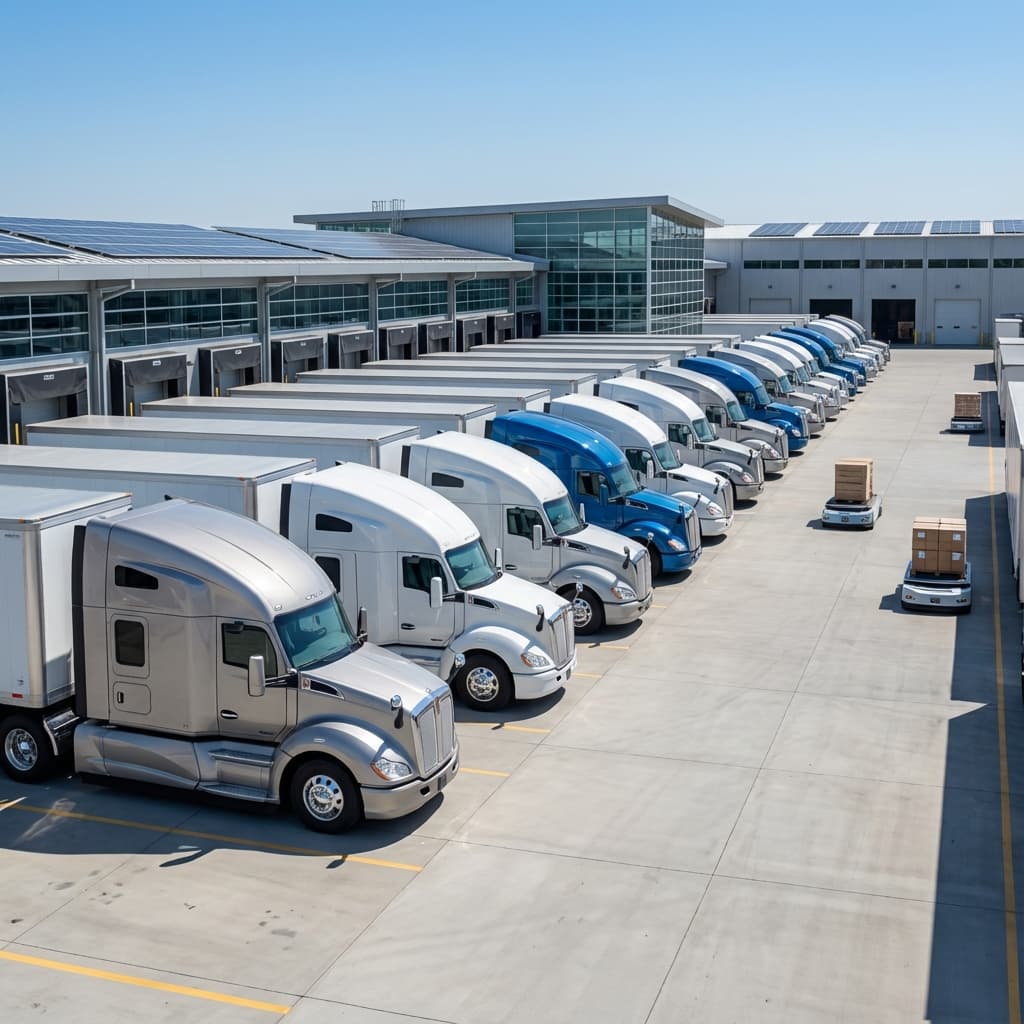
- Trailer-to-Tractor Ratios: Evaluating if your fleet could benefit from a 'drop-and-hook' model. For many carriers, increasing the trailer-to-tractor ratio allows drivers to spend more time moving and less time waiting at loading docks.
Streamlining the Back-Office: Automating the Administrative Burden
Operational efficiency isn't limited to the road; it starts in the office. Manual processes are not only slow—they are prone to costly errors. Scaling your business requires a digital-first approach to administration.
Implementing a robust Transportation Management System (TMS) is the foundation of this shift. A modern TMS integrates dispatch, billing, and compliance into a single source of truth, allowing for real-time visibility into fleet performance. By automating invoicing and document management (such as BOLs and PODs), carriers can drastically shorten their 'days sales outstanding' (DSO), improving cash flow and providing the capital needed for growth.
Human Capital as an Operational Asset
Driver retention is often viewed through the lens of HR, but it is fundamentally a business operations challenge. High turnover rates lead to increased recruitment costs, higher insurance premiums due to lack of driver longevity, and lost revenue from seated trucks.
The KPIs That Drive Growth
To manage what you measure, carriers must look beyond simple gross revenue. Focus on these Key Performance Indicators (KPIs) to gauge operational health:
- Operating Ratio: Total expenses divided by total revenue. A lower ratio indicates a more efficient operation.
- Revenue per Power Unit: This helps identify which assets are underperforming and require reassignment or disposal.
- Cost per Mile (CPM): Understanding your true CPM, including hidden costs like insurance, depreciation, and administrative overhead, is essential for accurate load bidding.
Conclusion: Building a Scalable Foundation
Scaling a motor carrier is not simply about adding more trucks; it is about building a system that can support them. By focusing on asset utilization, back-office automation, and rigorous KPI monitoring, carriers can create a lean, resilient business model. At United Lanes Insurance, we support this journey by providing the risk management insights that allow efficient fleets to secure the competitive rates they deserve.
Questions about
this topic?
Our specialists are ready to provide the personalized guidance you need for your specific situation.