The Digital Shift: How Telematics and AI Are Rewriting Trucking Insurance Premiums
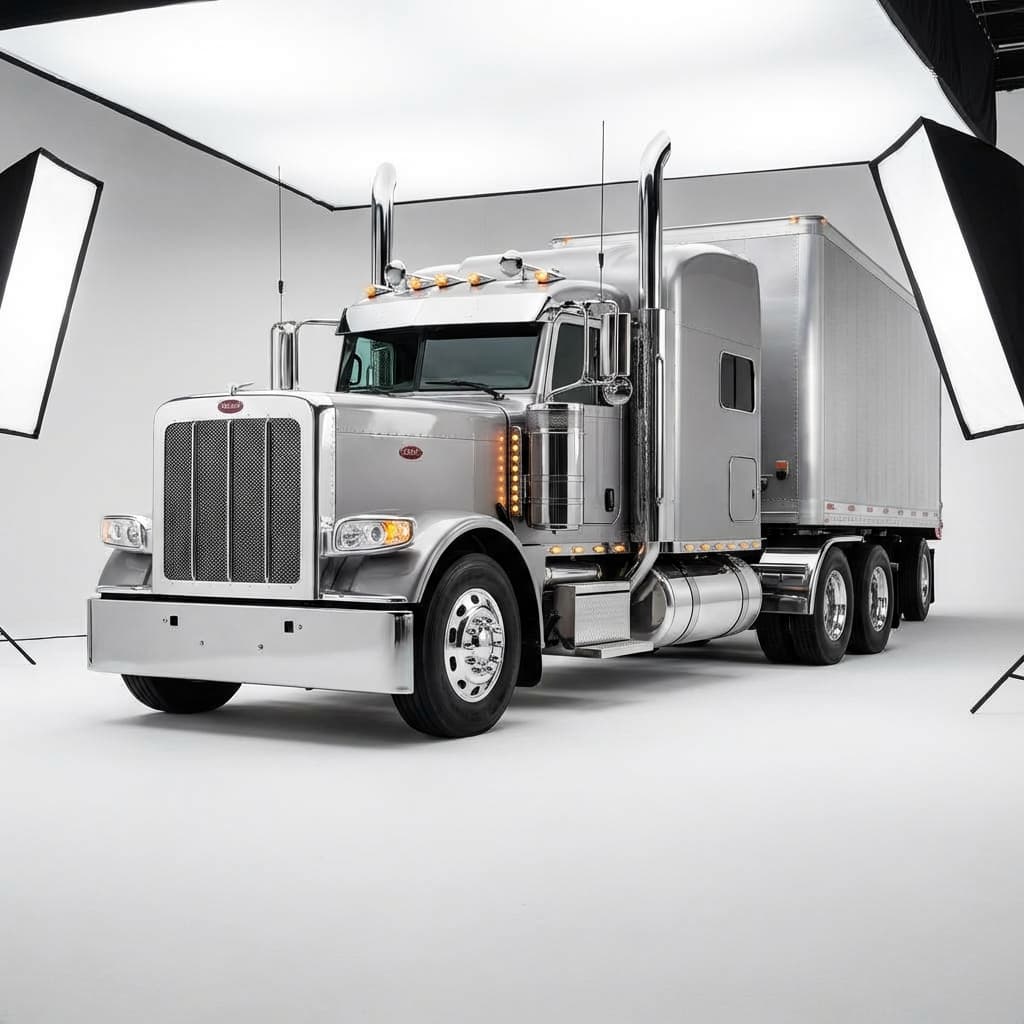
The Digital Shift: How Telematics and AI Are Rewriting Trucking Insurance Premiums
The trucking industry is currently witnessing a technological revolution that is fundamentally changing how motor carriers operate and how insurance companies assess risk. Gone are the days when insurance premiums were based solely on historical data and basic driver logs. Today, the integration of telematics and Artificial Intelligence (AI) is providing a granular view of fleet safety that was previously impossible.
Beyond GPS: The Power of Real-Time Telematics
Modern telematics systems have evolved far beyond simple location tracking. Today’s devices capture a wealth of information, including hard braking events, rapid acceleration, cornering speeds, and even idling time. For motor carriers, this data serves as a diagnostic tool for driver behavior. For insurance specialists at United Lanes, it provides a 'risk profile' that can be used to differentiate between a standard carrier and one that prioritizes a culture of safety.
- Proactive Maintenance: Telematics can alert fleets to engine issues before they lead to costly breakdowns or highway accidents.
- Route Optimization: Reducing miles driven through better planning directly reduces the statistical probability of an incident.
- Driver Coaching: Real-time data allows for immediate feedback, helping drivers correct unsafe habits before they lead to insurance claims.
AI Dash Cams and the Reduction of Claims
One of the most significant advancements in recent years is the rise of AI-powered dual-facing dash cams. These systems use computer vision to detect signs of driver fatigue, distracted driving (such as mobile phone use), and unsafe following distances. By proactively alerting the driver, these systems prevent accidents before they occur. Furthermore, in an era of rising litigation and 'nuclear verdicts,' high-definition video evidence is often the only thing standing between a carrier and financial ruin during a non-fault accident.
How Insurance Providers View Your Data
Insurance providers are increasingly moving toward 'Usage-Based Insurance' (UBI) and data-sharing models. By opting to share telematics data with your provider, carriers can often secure more competitive rates and tailored coverage. When a motor carrier can prove their safety record through hard data rather than just a clean loss run, it builds a level of transparency that leads to significant premium stability. It shifts the underwriting conversation from historical averages to current, real-world performance.
Steps to Future-Proof Your Motor Carrier
To stay ahead of the curve and maintain a competitive edge in a tightening insurance market, carriers should consider the following steps:
- Invest in Integration: Choose telematics providers that offer seamless integration with safety management platforms.
- Implement Reward Programs: Use the data collected to create monthly safety bonuses for drivers, incentivizing the behaviors that lower your risk.
- Regularly Audit Your Data: Don't just collect data—analyze it. Identify your highest-risk routes and drivers to apply corrective measures early.
At United Lanes Insurance, we understand that the future of trucking is data-driven. By embracing these technological shifts, motor carriers can not only protect their drivers but also ensure the long-term financial health and insurability of their business in an evolving market.
Questions about
this topic?
Our specialists are ready to provide the personalized guidance you need for your specific situation.