The Asset Management Blueprint: Maximizing Equipment Life Cycles and Fleet ROI
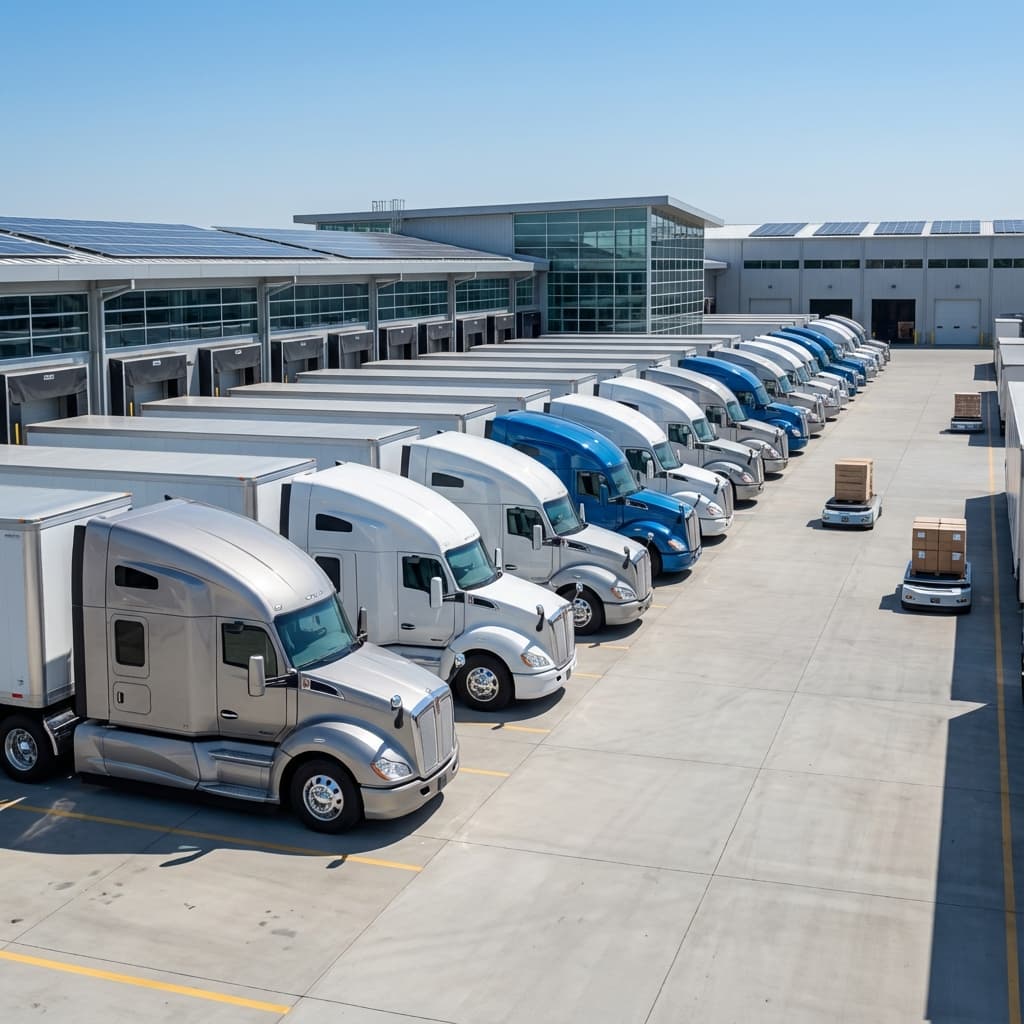
Beyond the Purchase Price: Deciphering the True Cost of Fleet Assets
In the capital-intensive world of trucking, your power units are your primary revenue generators, yet they represent your most volatile expenses. For many motor carriers, the decision to acquire equipment is often viewed through the narrow lens of the monthly payment. However, the most successful fleet executives utilize a Total Cost of Ownership (TCO) model to drive their business operations.
TCO accounts for every dollar spent on a vehicle from acquisition to disposal, including depreciation, financing, fuel consumption, maintenance, and insurance premiums. By mastering the asset lifecycle, a carrier can transform their fleet from a collection of depreciating hardware into a finely tuned engine for growth.
The Strategic Trade-In: Finding the 'Sweet Spot'
One of the most critical decisions a motor carrier faces is determining exactly when to rotate equipment out of the fleet. Holding onto a truck for too long leads to escalating maintenance costs and increased downtime, while trading too early can result in excessive depreciation hits. Industry data suggests a 'sweet spot' for Class 8 tractors, typically occurring between 400,000 and 500,000 miles or roughly year four or five of operation.
At this juncture, carriers generally see the following benefits from a trade-in:
- High Resale Value: The secondary market remains strong for units still under some form of powertrain warranty.
- Avoidance of Major Overhauls: You exit the asset before high-ticket items like after-treatment systems and transmissions require major investment.
- Fuel Efficiency Gains: Newer models often incorporate aerodynamic and engine improvements that can yield a 2-4% improvement in MPG, which significantly impacts the bottom line.
Data-Driven Maintenance: From Reactive to Predictive
Operational efficiency is won or lost in the shop. Moving away from a reactive 'fix-it-when-it-breaks' mentality to a predictive maintenance schedule is essential for scaling a business. By leveraging telematics data, fleet managers can monitor engine health in real-time, identifying fault codes before they result in a roadside breakdown.
Strategic maintenance protocols should include:
- Rigorous Fluid Analysis: Regularly testing oil and coolant to detect internal engine wear before catastrophic failure.
- Tire Pressure Monitoring Systems (TPMS): Reducing irregular wear and improving fuel economy through constant pressure optimization.
- Standardized Parts Inventory: For fleets with consistent make/model configurations, maintaining a lean inventory of high-turnover parts reduces bay time and gets drivers back on the road faster.
The Insurance and Safety Correlation
There is a direct link between equipment age and a carrier's risk profile. Modern trucks come equipped with Advanced Driver Assistance Systems (ADAS), such as collision mitigation, lane departure warnings, and adaptive cruise control. From an insurance perspective, a fleet comprised of newer, tech-forward assets is often viewed more favorably during the underwriting process.
Furthermore, newer equipment significantly reduces the likelihood of mechanical-related DOT violations. Clean inspections contribute to a healthier CSA score, which in turn lowers insurance premiums and makes the carrier more attractive to high-paying shippers who prioritize safety-conscious partners.
Conclusion: Building a Sustainable Growth Engine
Maximizing fleet ROI is not about finding the cheapest truck; it is about managing the asset's journey with precision. By integrating TCO analysis, optimizing trade-in cycles, and leveraging maintenance data, motor carriers can stabilize their cash flow and create a scalable foundation for future expansion. In an industry where margins are thin, the carrier with the most efficient asset management blueprint is the one that will ultimately lead the market.
Questions about
this topic?
Our specialists are ready to provide the personalized guidance you need for your specific situation.