The Tech-Driven Carrier: Optimizing Operations through Integrated Fleet Systems
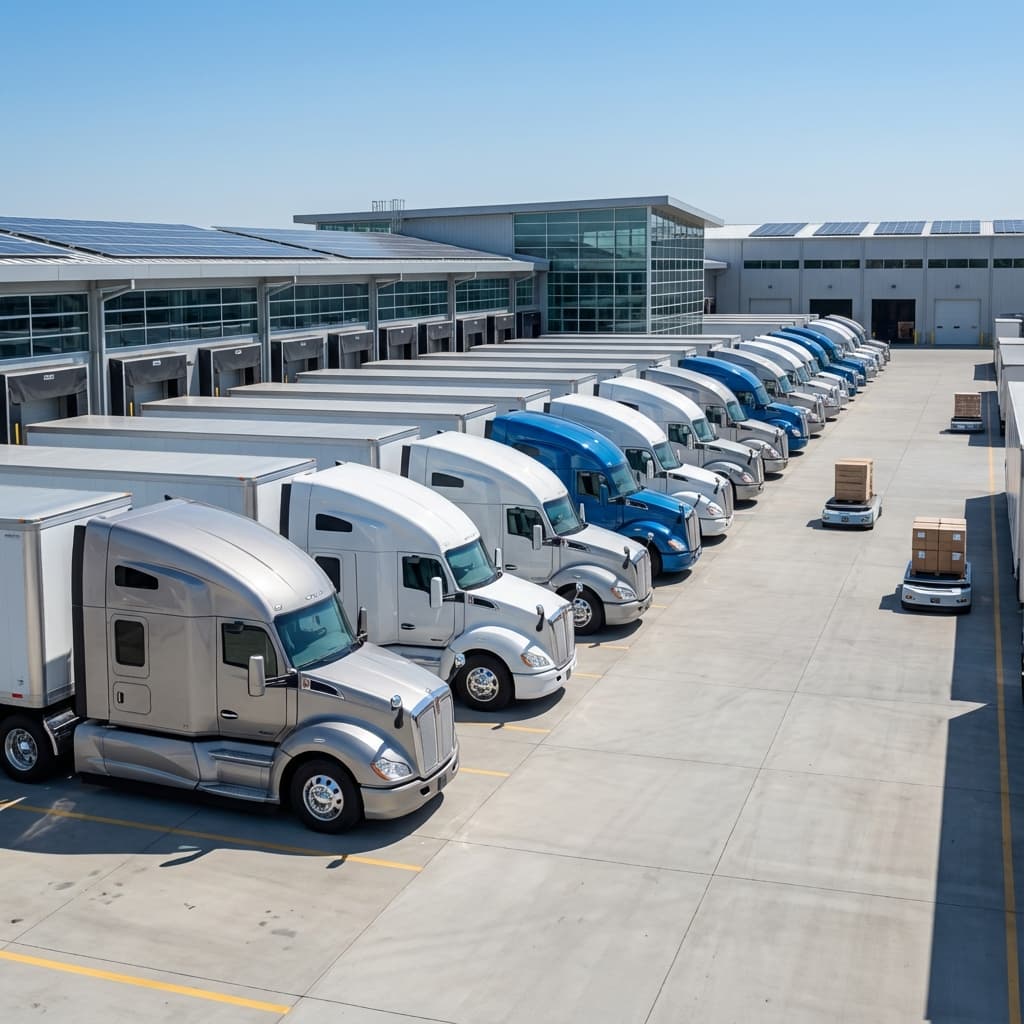
The Evolution of the Digital Motor Carrier
In the modern logistics landscape, the difference between a struggling fleet and a high-growth motor carrier often comes down to operational visibility. As margins tighten and regulatory scrutiny increases, manual processes and fragmented data are no longer sustainable. For the modern carrier, business operations must be viewed through the lens of technology integration—a strategy that not only streamlines day-to-day tasks but also builds a resilient foundation for long-term scalability.
Centralizing Command with a Robust TMS
A Transportation Management System (TMS) is the central nervous system of a trucking business. Beyond simple dispatching, a high-tier TMS allows carriers to automate the life cycle of a load. By integrating your TMS with your accounting software and ELD providers, you eliminate double-entry errors and significantly reduce administrative overhead.
- Automated Documentation: Instant uploading of Bills of Lading (BOL) and Proof of Delivery (POD) accelerates the billing cycle, improving cash flow.
- Route Optimization: Advanced algorithms reduce deadhead miles and fuel consumption, directly impacting the bottom line.
- Real-Time Communication: Automated updates to brokers and shippers reduce the need for manual check-calls, allowing dispatchers to manage more power units effectively.
Telematics: Moving Beyond Basic Compliance
While Electronic Logging Devices (ELDs) were mandated for compliance, the data they generate is a goldmine for operational efficiency. Professional fleet managers use telematics to monitor engine diagnostics and idling times. This proactive approach to maintenance prevents costly roadside breakdowns and extends the lifecycle of the equipment.
Furthermore, telematics provides objective data on driver behavior. By identifying patterns of harsh braking or excessive speeding, carriers can implement targeted training programs. This doesn't just improve safety; it demonstrates to insurance underwriters that the carrier is actively managing risk through data-driven intervention.
The Synergy Between Operations and Insurability
One of the most overlooked benefits of a tech-driven operational strategy is its impact on insurance premiums. When a motor carrier can provide clean, organized data regarding their safety performance and maintenance schedules, they move from a "standard" risk category to a "preferred" one. Insurance companies reward transparency and proactive management.
By leveraging integrated systems, a carrier can provide a comprehensive "data story" during the renewal process. This includes documented proof of driver coaching, consistent maintenance logs, and a low frequency of preventable incidents—all of which are indicators of a well-run, lower-risk operation.
Building a Scalable Infrastructure
Growth strategies for motor carriers must prioritize systems that scale. Investing in cloud-based platforms ensures that as you add trucks to your fleet, your operational capacity grows without a linear increase in office staff costs. The goal is to create a seamless flow of information from the truck cab to the back office, and ultimately to the insurance provider.
In conclusion, the transition from a traditional carrier to a tech-enabled enterprise is a strategic necessity. By focusing on integrated systems, motor carriers can optimize their operational efficiency, protect their margins, and secure a competitive edge in an increasingly digital industry.
Questions about
this topic?
Our specialists are ready to provide the personalized guidance you need for your specific situation.