The Strategic Scale-Up: Engineering Your Motor Carrier for Sustainable Multi-State Expansion
Transitioning from Growth to Scalability
For many motor carriers, the transition from a small family-owned operation to a mid-sized fleet is the most volatile period in the business lifecycle. While growth is often defined by increasing revenue or adding power units, scalability is the ability to handle that growth without a proportional increase in operational headaches or overhead costs. At United Lanes Insurance, we see firsthand how the most successful carriers don't just 'get bigger'—they engineer their operations to support a larger footprint.
Building the Administrative Infrastructure
When you operate five trucks, the owner can often manage dispatch, safety, and billing simultaneously. At fifteen trucks, this model breaks. To scale effectively, carriers must invest in specialized roles and systems:
- Centralized Dispatch Systems: Moving away from spreadsheets to a robust Transportation Management System (TMS) allows for real-time visibility into driver hours, fuel consumption, and load tracking.
- Dedicated Safety Management: As the fleet grows, so does the target on your back. A dedicated safety manager ensures that DOT compliance isn't just a reaction to a roadside inspection, but a proactive daily habit.
- Back-Office Automation: Leveraging automated invoicing and electronic document management reduces the 'days sales outstanding' (DSO), keeping cash flow liquid for expansion needs.
The Strategy of Route Density vs. Geographic Reach
A common mistake in expansion is attempting to cover too much territory too quickly. True operational efficiency is found in route density. By dominating specific lanes, carriers can offer better service to shippers and more predictable schedules for drivers.
Instead of chasing spot market rates across forty-eight states, the strategic carrier identifies high-volume corridors. This allows for better maintenance planning (knowing where your trucks will be), easier driver swaps, and the potential for 'drop-and-hook' operations, which significantly increase trailer-to-tractor ratios and improve asset utilization.
Mastering Asset Utilization: The Power Unit/Trailer Ratio
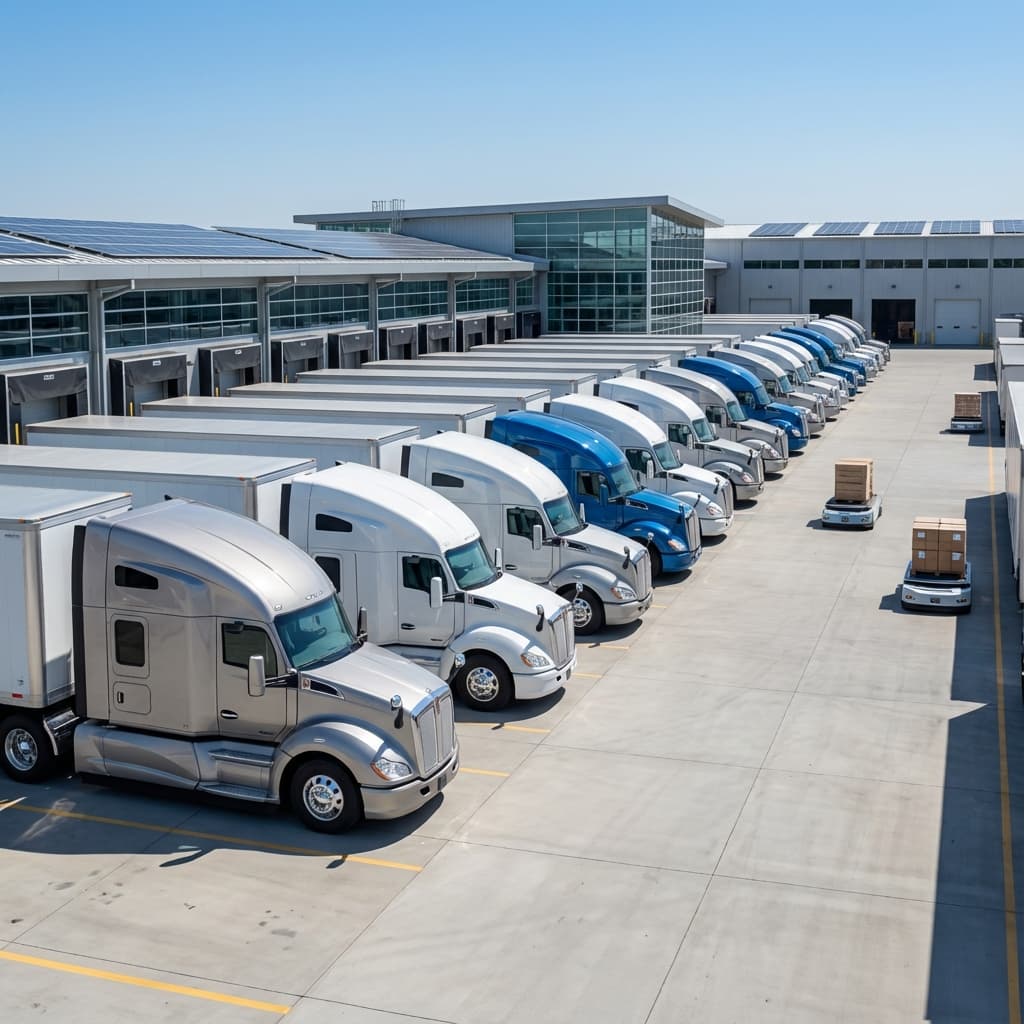
Operational efficiency is often hidden in the ratio of your assets. Scaling isn't always about buying more trucks; sometimes, it is about buying more trailers. Implementing a 2:1 or even 3:1 trailer-to-tractor ratio allows drivers to spend more time moving and less time waiting at docks. This 'drop-and-hook' model is a primary growth lever for carriers looking to maximize their revenue per power unit while keeping drivers satisfied by reducing unpaid dwell time.
The Financial Backbone of Expansion
Scaling requires capital. Beyond physical assets, carriers must maintain a healthy operating reserve. Expansion often leads to a temporary increase in the 'burn rate' as new drivers are recruited and insurance premiums adjust for the increased exposure. Establishing strong relationships with specialized transportation lenders and maintaining a clean loss run report are essential for securing the lines of credit necessary to fuel sustainable growth.
The Role of Data-Driven Decision Making
Finally, the enterprise-level carrier uses data as its primary compass. By monitoring Cost Per Mile (CPM) at a granular level—factoring in driver pay, maintenance, fuel, and insurance—management can identify which lanes are truly profitable and which are draining resources. In the modern freight environment, intuition is a valuable asset, but data is the requirement for longevity.
Growth is inevitable for a well-run carrier, but sustainable expansion is a choice. By focusing on infrastructure, route density, and asset utilization, your motor carrier can move from surviving the market to leading it.
Questions about
this topic?
Our specialists are ready to provide the personalized guidance you need for your specific situation.