The Stability Framework: Strategic Freight Diversification for Long-Term Fleet Growth
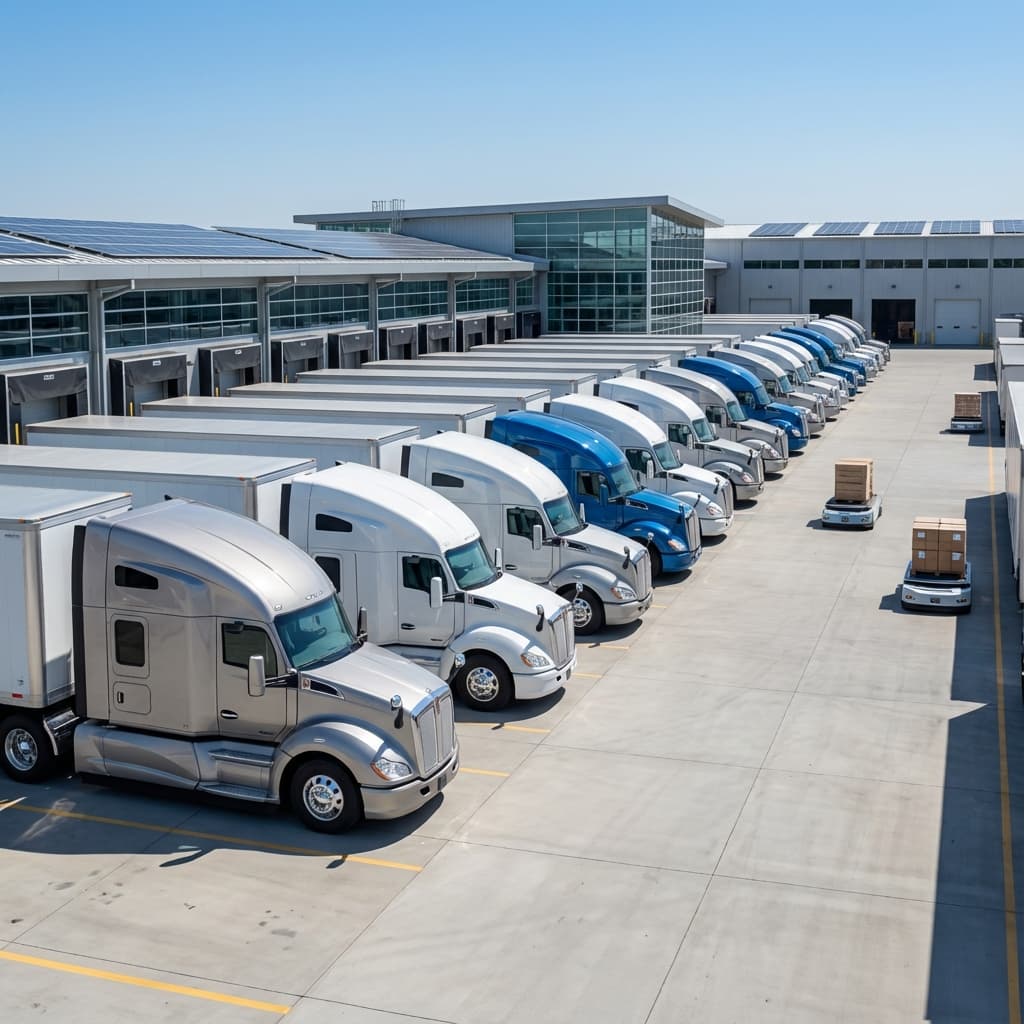
Building a Recession-Proof Motor Carrier Business
In the high-stakes world of trucking, the difference between a thriving fleet and one on the brink of closure often comes down to revenue stability. While many carriers find initial success by mastering a single niche or serving one high-volume broker, this concentration creates a significant single point of failure. To build a resilient business that can survive economic downturns and capacity shifts, motor carriers must adopt a strategic approach to freight diversification.
The Hidden Risks of Revenue Concentration
Operational efficiency isn't just about fuel mileage; it’s about risk management. When a carrier relies on a single customer for more than 25% of their revenue, they are inherently vulnerable. If that customer experiences a downturn, changes their procurement strategy, or renegotiates rates downward, the carrier is left with idle equipment and mounting overhead. From an insurance and underwriting perspective, high concentration can sometimes be seen as a business continuity risk, potentially affecting the long-term stability profile of the fleet.
Diversifying Your Freight Mix
True operational agility requires a blend of freight types and contract structures. Consider the following pillars of a diversified portfolio:
- Contract vs. Spot Market: Aim for a healthy balance—typically 70% contract and 30% spot. Contract freight provides the predictable cash flow needed for debt service and payroll, while the spot market allows you to capitalize on surge pricing and seasonal demand.
- Commodity Diversity: If you only haul automotive parts, an assembly plant strike could ground your entire fleet. By mixing industrial goods, consumer packaged goods (CPG), and temperature-controlled freight, you spread your exposure across different sectors of the economy.
- Lane Density and Backhaul Strategy: Don't just look at the rate-per-mile on the headhaul. True efficiency is found in circular or "triangulated" routing that minimizes deadhead miles and ensures every truck is generating revenue on every leg of the journey.
Leveraging Specialized Equipment for Market Insulation
Standard dry van freight is often the first to see rate compression during a capacity glut. To protect margins, many successful carriers are diversifying into specialized equipment. Flatbeds, step-decks, or specialized tankers often command higher rates and foster longer-term relationships with shippers who value expertise over the lowest possible price. While this may increase physical damage insurance values, the improved operating ratio (OR) usually justifies the investment.
Operational Efficiency through Technology Integration
Managing a diversified freight portfolio requires a robust Transportation Management System (TMS). To maintain high levels of efficiency as you scale, your back-office operations must be able to track:
- Yield per Lane: Identifying which routes are truly profitable after fuel, driver pay, and maintenance.
- Customer Scorecards: Monitoring which shippers cause the most detention time, as delays are the silent killers of fleet profitability.
- Asset Utilization: Ensuring that trailers aren't sitting idle and that power units are maximized within HOS (Hours of Service) regulations.
The Insurance Advantage of a Stable Business Model
Insurance underwriters are essentially looking for signs of a well-managed, professional organization. A carrier that demonstrates consistent revenue streams, a diverse customer base, and a clear growth strategy is viewed as a lower-risk partner. High-growth fleets that expand too quickly without a diversification plan often see their loss runs suffer due to driver turnover and rushed hiring. Conversely, a measured, diversified growth strategy signals to the market that your business is built for longevity, often leading to more favorable terms and a wider selection of coverage options.
Summary: The Path to Scale
Operational excellence is not a destination but a continuous process of refinement. By diversifying your freight mix, investing in specialized capabilities, and utilizing data to drive dispatch decisions, you transform your trucking company from a simple service provider into a resilient enterprise. At United Lanes Insurance, we believe that a stable business is a safe business, and we are committed to helping you navigate the complexities of growth with confidence.
Questions about
this topic?
Our specialists are ready to provide the personalized guidance you need for your specific situation.