Securing Your Bottom Line: A Deep Dive into Physical Damage and Cargo Valuation
Beyond the Mandate: Protecting Your Capital Investments
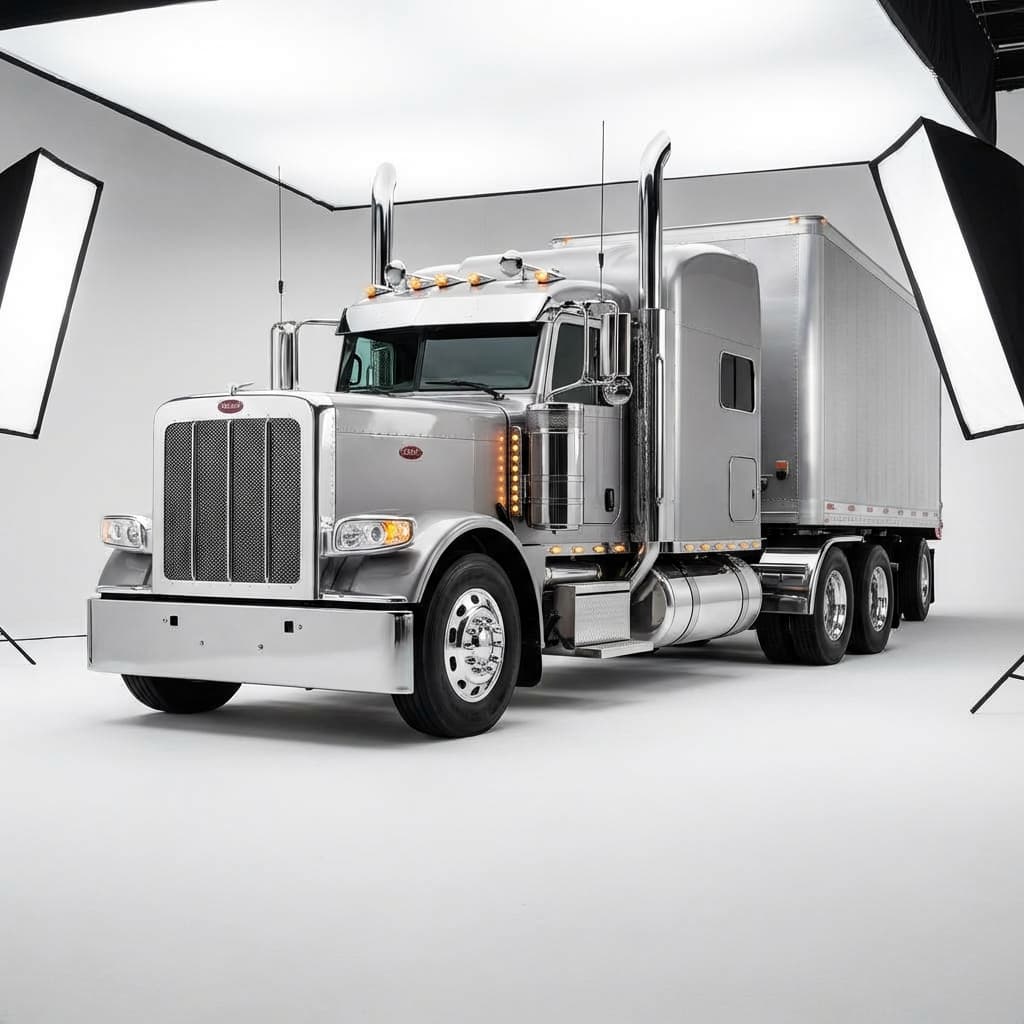
In the trucking industry, much of the conversation around insurance revolves around Primary Liability because it is the regulatory gatekeeper. However, for a motor carrier to maintain long-term solvency, the focus must shift toward protecting the assets that actually generate revenue: your equipment and your cargo. At United Lanes Insurance, we see many carriers struggle not because of a liability claim, but because of an improperly structured Physical Damage or Cargo policy that leaves them underinsured during a total loss.
Physical Damage: The ACV vs. Stated Amount Dilemma
Physical Damage insurance is essentially the collision and comprehensive coverage for your tractor and trailer. While the concept seems straightforward, the method of valuation is where carriers often find themselves at a disadvantage. There are two primary ways to value your equipment:
- Actual Cash Value (ACV): This pays out the fair market value of the equipment at the time of the loss. In a volatile equipment market, ACV can sometimes leave a carrier short of the funds needed to purchase a comparable replacement.
- Stated Amount: This allows the carrier to declare a specific value for the equipment. It is critical to update these values annually; if you overstate the value, you pay too much in premium, but if you understate it, you risk a 'co-insurance' penalty or a payout that doesn't cover your loan balance.
Comprehensive vs. Collision
While Collision covers impact-related incidents, Comprehensive (often called Specified Perils in trucking) covers fire, theft, vandalism, and environmental damage. We recommend looking for policies that include 'Glass Coverage' with lower deductibles, as windshield replacements are a frequent operational expense that can eat into your margins.
Motor Truck Cargo: Reading the Fine Print
Motor Truck Cargo insurance is perhaps the most misunderstood coverage type. Most shippers require a standard $100,000 limit, but the limit is only one piece of the puzzle. The true value of a Cargo policy lies in its exclusions.
Critical Coverage Add-ons to Consider:
- Reefer Breakdown: If you haul temperature-controlled freight, you must ensure your policy covers losses due to mechanical failure of the refrigeration unit, not just collision.
- Debris Removal: If a load is spilled across a highway, the cost of clean-up can be staggering. Ensure your policy has a dedicated sub-limit for debris removal that doesn't exhaust your cargo limit.
- Earned Freight: If a load is destroyed, you lose the shipping revenue. Some policies will reimburse you for the freight charges you would have earned for that delivery.
- Loading and Unloading: Many standard policies only cover the cargo while it is 'in transit.' Specialized endorsements are often required to cover damage that occurs during the actual loading or unloading process.
Non-Trucking Liability (NTL) vs. Bobtail Insurance
For owner-operators leased to a motor carrier, the distinction between NTL and Bobtail insurance is vital for preventing litigation gaps. Non-Trucking Liability provides coverage when the truck is being used for personal use (like driving to the grocery store) outside of the scope of the lease. Bobtail Insurance, conversely, covers the tractor when it is being operated without a trailer, regardless of whether it is on dispatch. Knowing which one your lease agreement requires is the difference between a protected business and a catastrophic personal liability.
Strategic Tips for Lowering Premiums
To optimize your 'Coverage Types Explained' strategy and reduce costs, consider the following:
- Higher Deductibles: If your cash reserves allow, moving from a $1,000 to a $5,000 deductible on Physical Damage can significantly reduce your annual premium.
- Security Protocols: Implementing anti-theft tracking and dash cams can make your fleet more attractive to A-rated underwriters, leading to better rates on Cargo and Physical Damage.
- Asset Scheduling: Regularly audit your equipment schedule. Removing retired trailers or adjusting values on aging equipment prevents you from paying for coverage you can no longer claim.
At United Lanes Insurance, we believe that an informed carrier is a successful carrier. By mastering the nuances of asset and cargo protection, you move beyond mere compliance and into true operational security.
Questions about
this topic?
Our specialists are ready to provide the personalized guidance you need for your specific situation.