Scaling Sustainably: The Operational Blueprint for Transitioning from Owner-Operator to Small Fleet
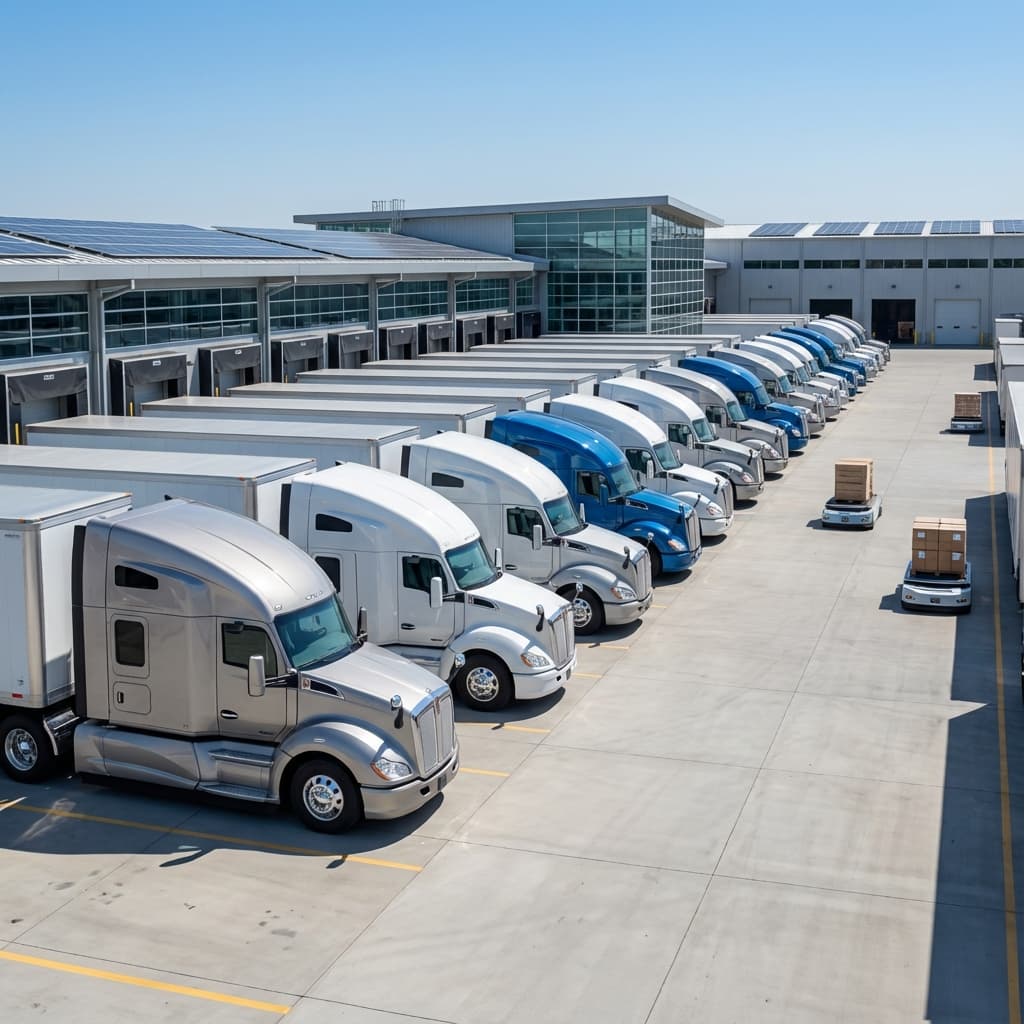
The Growth Inflection Point: Moving from Driver to Manager
For many owner-operators, the transition to becoming a fleet owner is the ultimate goal. However, the move from managing a single truck to overseeing a fleet of five, ten, or twenty units is not a linear progression—it is a total shift in business logic. At United Lanes Insurance, we see many carriers struggle during this phase because they focus solely on equipment acquisition while neglecting the operational infrastructure required to support it.
1. Building the Administrative Backbone
When you are behind the wheel, you are the product. When you own a fleet, the system is the product. Scaling successfully requires moving away from manual processes. To maintain operational efficiency, a growing carrier must implement:
- Transportation Management Systems (TMS): A centralized platform to manage loads, dispatching, and invoicing is no longer optional once you hit the three-truck mark.
- Automated Document Management: Streamlining Bills of Lading (BOLs) and Proof of Delivery (POD) ensures faster billing cycles and improved cash flow.
- Back-Office Support: Whether through hiring a dedicated dispatcher or outsourcing compliance management, the owner must eventually step out of the cab to focus on business development and high-level strategy.
2. Financial Resilience and Capital Allocation
Growth consumes cash. One of the most common reasons small fleets fail is a lack of liquidity during rapid expansion. To scale sustainably, carriers must prioritize financial hygiene:
Maintenance Reserves
With a single truck, an engine overhaul is a crisis; with ten trucks, it is a statistical certainty. A robust fleet management strategy includes a dedicated maintenance escrow account for every unit in operation. We recommend a per-mile set-aside that scales with the age of the equipment.
Diversified Revenue Streams
Relying solely on the spot market is a high-risk strategy for a growing fleet. As you scale, your operational goal should be a healthy mix of contract freight and spot market opportunities. This provides the stability needed to secure better financing rates for future equipment and more favorable terms from vendors.
3. The Human Capital Challenge: Recruitment and Retention
In a small fleet, your drivers are your most valuable brand ambassadors. Scaling requires a shift from "hiring for a seat" to "building a culture." Operational efficiency suffers when turnover is high due to the costs of onboarding, idle equipment, and potential impacts on your safety scores.
Professional Insight: Successful fleet owners implement a structured driver feedback loop and competitive performance-based incentives. When drivers feel like stakeholders in the company’s growth, they are more likely to treat the equipment with care and prioritize on-time deliveries, which directly impacts your reputation with shippers.
4. Transitioning Your Insurance Strategy
As your fleet grows, your risk profile changes. Moving from an individual policy to a fleet policy typically occurs when you reach 5 to 10 power units. This transition offers opportunities for more sophisticated risk management. By demonstrating a centralized safety program and consistent operational protocols, a growing carrier can often access tiered pricing that isn't available to single-unit operators.
5. Optimizing Fleet Lifecycle Management
Efficiency is found in the balance between monthly payment costs and maintenance expenses. A growing motor carrier must decide on a replacement cycle: Do you run older equipment with lower debt but higher repair risks, or newer equipment with high payments but maximum uptime? A sustainable blueprint usually involves a staggered replacement schedule, ensuring that not all units age out or require major service simultaneously.
The Path Forward
Scaling a trucking business is a marathon, not a sprint. By focusing on administrative systems, financial liquidity, and human capital, you move from being a driver-owner to a sophisticated motor carrier. Growth should never come at the expense of operational integrity; instead, let efficiency be the engine that drives your expansion.
Questions about
this topic?
Our specialists are ready to provide the personalized guidance you need for your specific situation.