Scaling with Precision: The Operational Architecture of High-Growth Motor Carriers
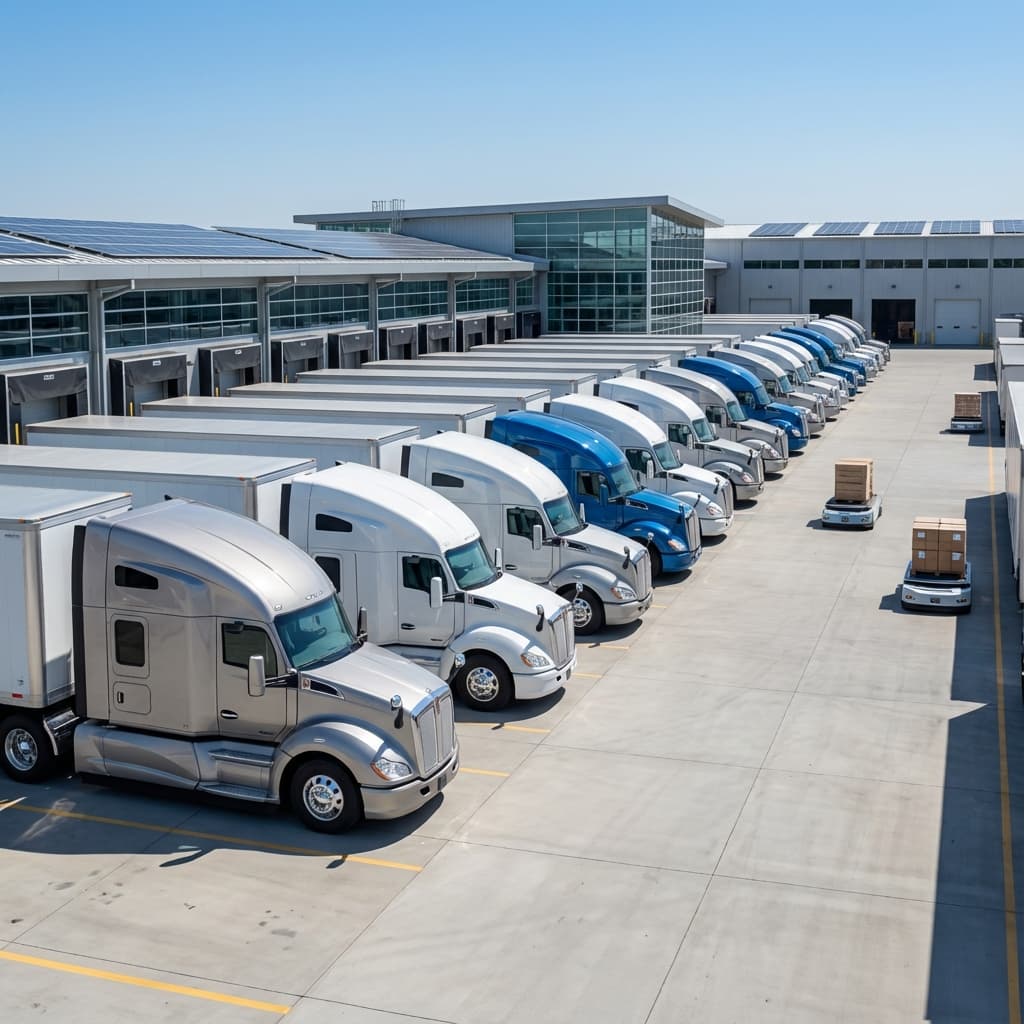
The Transition from Survival to Strategic Growth
In the trucking industry, the leap from operating five trucks to managing fifty is often where many motor carriers face their greatest challenges. While the initial stages of a trucking business are often driven by grit and individual effort, scaling requires a shift toward systematized operational architecture. For United Lanes Insurance clients, we’ve observed that the most successful carriers don’t just add assets; they build the infrastructure to support them.
1. Institutionalizing the Back-Office: Beyond Manual Processes
Growth is a multiplier of complexity. To maintain efficiency, motor carriers must transition from manual spreadsheets and paper logs to an integrated Transportation Management System (TMS). A robust TMS acts as the central nervous system of the operation, providing real-time visibility into:
- Load Tracking and Dispatching: Reducing the 'empty miles' that erode profit margins.
- Automated Billing and Invoicing: Accelerating cash flow by shortening the days-sales-outstanding (DSO) cycle.
- Driver Settlement Accuracy: Improving driver satisfaction and retention through transparent and timely pay.
By automating these administrative functions, leadership can pivot from 'putting out fires' to analyzing high-level data and market trends.
2. Strategic Lane Diversification and Capacity Management
A common pitfall for growing carriers is becoming over-leveraged on a single shipper or a narrow geographical region. While 'dedicated lanes' provide stability, they can also become a vulnerability during market shifts. High-growth carriers employ a diversified freight mix to hedge against volatility.
Operational efficiency is found in the balance between contract freight and spot market opportunities. Strategically selecting lanes that create natural 'loops' for your drivers ensures that assets are consistently productive. Furthermore, as you scale, your ability to provide consistent capacity to shippers becomes your greatest selling point, allowing for more favorable contract negotiations.
3. The Human Capital Framework: Scaling the Driver Workforce
Equipment is easier to acquire than quality drivers. In a competitive labor market, the operational architecture must prioritize the driver experience. This involves more than just competitive pay; it requires a structured approach to professional development and support.
- Orientation and Integration: A standardized onboarding process ensures every driver understands the company’s operational standards from day one.
- Predictable Home Time: Utilizing route optimization software to ensure drivers can maintain a work-life balance, which is the leading factor in long-term retention.
- Open Communication Channels: Implementing feedback loops where drivers can report operational bottlenecks without fear of reprisal.
4. Financial Resilience and Capital Reinvestment
Scaling requires a sophisticated approach to financial management. This means maintaining a healthy debt-to-equity ratio and ensuring that growth is funded through a mix of credit and retained earnings. Motor carriers should focus on margin preservation by scrutinizing operational overhead.
Key areas for financial optimization include fuel purchasing programs that leverage bulk discounts and proactive maintenance schedules that prevent the astronomical costs of emergency roadside repairs. By treating maintenance as a fixed operational cost rather than a variable expense, carriers can stabilize their cash flow and protect their bottom line.
Conclusion: Building for the Future
Growth in the trucking industry is a marathon, not a sprint. By focusing on robust systems, strategic lane selection, driver-centric operations, and financial discipline, motor carriers can build a business that is not only larger but more resilient. At United Lanes Insurance, we believe that operational excellence is the foundation of a safe, profitable, and insurable fleet. As you scale, your operational precision will be the differentiator that defines your success in the competitive freight landscape.
Questions about
this topic?
Our specialists are ready to provide the personalized guidance you need for your specific situation.