The Scaling Blueprint: Strategic Transitioning from Solo Operator to Fleet Management
The Evolution of the Motor Carrier: Beyond the Cab
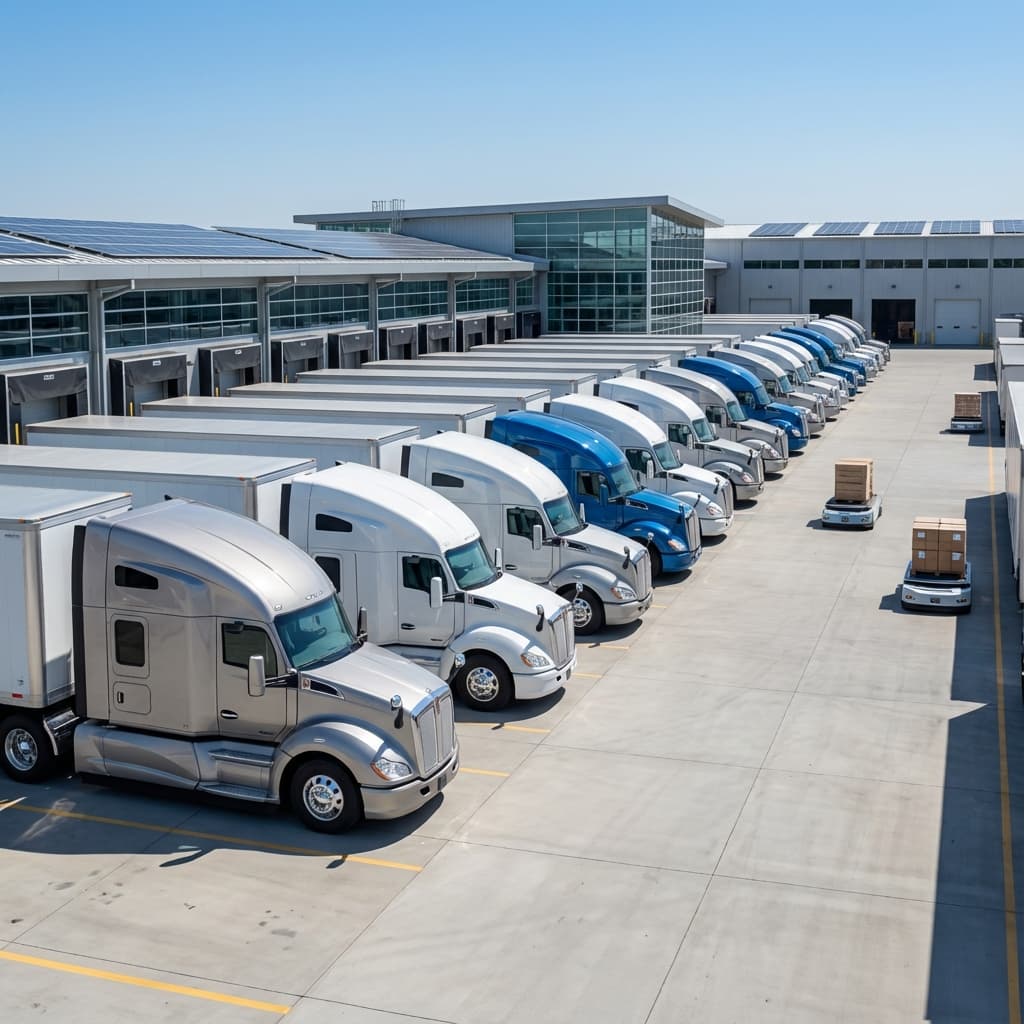
Transitioning from a single-truck owner-operator to managing a small fleet is one of the most challenging yet rewarding milestones in the trucking industry. This shift represents more than just an increase in asset count; it is a fundamental transformation of your business model. To scale successfully, a motor carrier must move from being a driver who manages a business to a business leader who manages drivers and assets.
Building the Operational Infrastructure
In the early stages of growth, many carriers rely on manual processes or simple spreadsheets. However, once you cross the three-truck threshold, manual oversight becomes a liability. Implementing a robust Transportation Management System (TMS) is the first step in creating a scalable foundation. A professional TMS allows you to move away from administrative chaos and focus on strategic growth by:
- Centralizing dispatching and real-time load tracking for better customer service.
- Automating IFTA reporting and settlement processing to reduce human error.
- Maintaining digital, audit-ready records for maintenance logs and driver qualification files.
The Human Capital Factor: Recruitment as a Growth Engine
The biggest bottleneck to scaling is rarely a lack of freight; it is a lack of qualified, reliable drivers. As you grow, your reputation as an employer becomes your most valuable asset. To attract top-tier talent in a competitive market, small fleets must offer more than just a paycheck. Focus on transparency in pay structures and consistent home time. High turnover is a silent profit killer, costing carriers thousands in recruitment, onboarding, and potential increases in insurance premiums due to frequent changes in driver profiles.
Financial Planning and Cash Flow Resilience
Growth consumes capital. Adding trucks means increased fuel costs, maintenance reserves, and insurance deposits before the revenue from those new assets fully materializes. Managing your debt-to-income ratio is critical during expansion. Industry experts recommend maintaining a cash reserve equivalent to 60 to 90 days of operating expenses for every new power unit added to the fleet. This buffer protects the business against market fluctuations and unexpected repair bills that can otherwise derail a growing operation.
Risk Management During Expansion
From an insurance perspective, scaling introduces new variables. As a fleet owner, you are no longer just responsible for your own driving habits; you are legally and financially responsible for the actions of every driver under your authority. Standardizing safety protocols is non-negotiable. This includes:
- Rigorous pre-employment screening (PSP and MVR checks).
- Consistent drug and alcohol testing policies that exceed minimum requirements.
- Clear, documented disciplinary procedures for HOS violations or safety infractions.
Proactive risk management prevents the "growth penalty"—the spike in premiums that often accompanies rapid expansion without a corresponding increase in safety oversight.
Conclusion: The Path to Sustainable Growth
Scaling a motor carrier business is a marathon, not a sprint. By focusing on operational efficiency, financial discipline, and a culture of driver appreciation, you can build a resilient fleet that stands the test of time. At United Lanes Insurance, we understand that as your fleet grows, your risks and operational needs evolve. Strategic growth is built on a foundation of solid operations and proactive risk mitigation.
Questions about
this topic?
Our specialists are ready to provide the personalized guidance you need for your specific situation.