The Scaling Blueprint: Navigating the Operational Leap from Owner-Operator to Multi-Unit Fleet
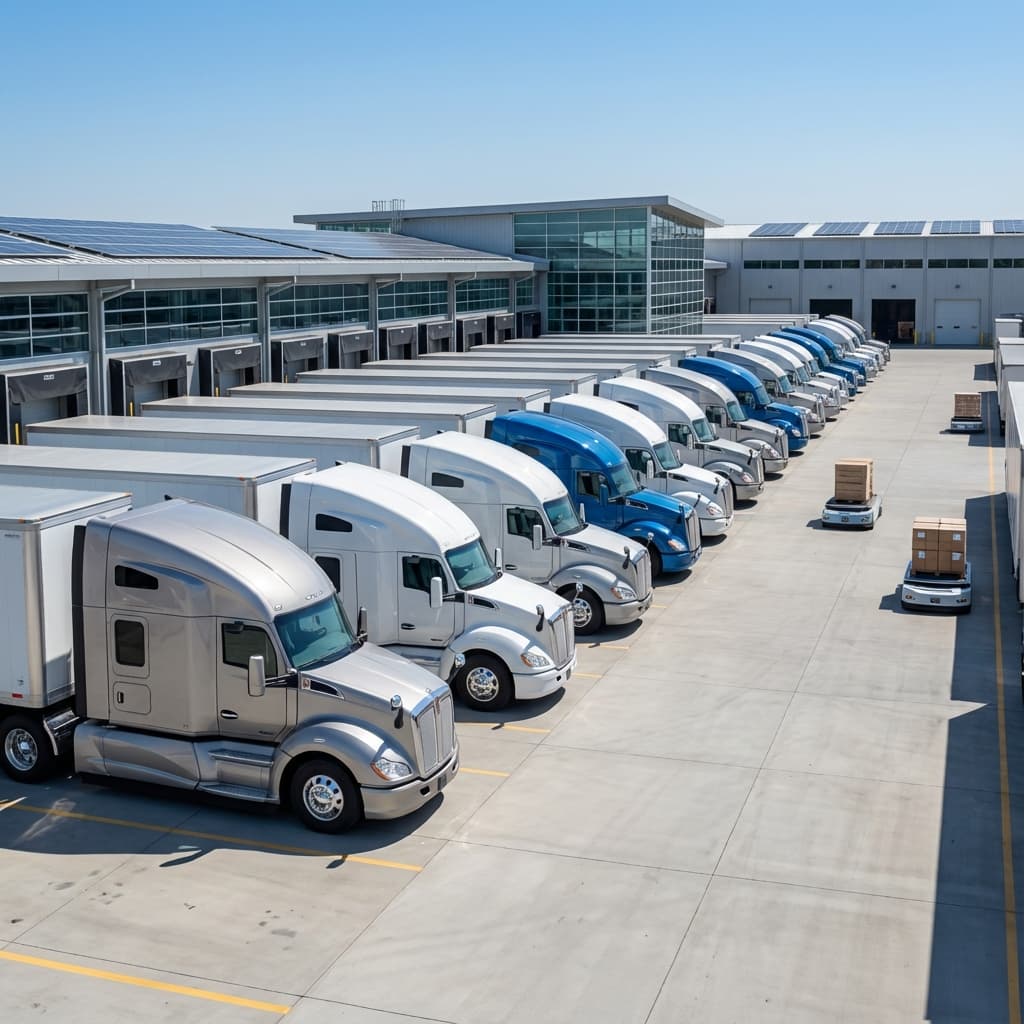
The Threshold of Growth: Why Scaling Requires a New Playbook
For many owner-operators, the transition from driving the truck to managing a fleet is the most challenging phase of business ownership. What worked for a single-unit operation—manual record-keeping, personal relationships with a single broker, and hands-on maintenance—often fails under the weight of a five or ten-truck fleet. To scale successfully, a motor carrier must stop acting like a driver and start acting like a CEO.
Scaling isn't just about adding equipment; it’s about building a repeatable, resilient system that can function without your constant physical presence behind the wheel. This requires a focus on operational infrastructure, financial discipline, and strategic talent acquisition.
Standardizing the Move: The Power of SOPs
The first step in fleet expansion is documentation. When you are the only driver, your processes exist in your head. When you hire your first three drivers, those processes must be codified into Standard Operating Procedures (SOPs). This ensures consistency and protects your brand reputation.
- Dispatch and Load Selection: Define clear criteria for the types of freight, lanes, and rates your company will accept.
- Maintenance Schedules: Moving from reactive to proactive maintenance is essential for fleet health. Establish strict intervals for PM (Preventative Maintenance) services that apply to every unit.
- Onboarding Protocols: Create a checklist for new hires that includes safety training, equipment walkthroughs, and communication expectations.
Financial Architecture for Expansion
Growth is expensive, and many carriers fail not because of a lack of work, but because of a lack of cash flow. Scaling requires a deep dive into your financial architecture. This includes maintaining a robust Debt-to-Equity ratio and ensuring you have the credit capacity to handle sudden repairs or fuel price spikes across multiple units.
Expert motor carriers often utilize freight factoring strategically during growth phases to bridge the gap between delivery and payment. However, the most successful fleets use this as a tool for liquidity, not as a crutch for poor financial management. Monitoring your Cost Per Mile (CPM) across the entire fleet—not just one truck—is the only way to ensure that growth is actually profitable.
Talent Acquisition as a Business Strategy
In a multi-unit operation, your drivers are your most valuable assets and your greatest risks. Scaling effectively means shifting from hiring anyone with a CDL to implementing a strategic recruitment model. This involves:
- Rigorous Vetting: Going beyond the MVR to check employment history and safety performance.
- Retention Programs: Understanding that the cost of replacing a driver often exceeds $5,000 to $8,000 in lost productivity and recruitment fees.
- Incentive Alignment: Creating bonus structures that reward fuel efficiency and clean inspections, aligning the driver’s goals with the company’s bottom line.
Leveraging Technology to Maintain Oversight
As the fleet grows, visibility becomes the primary challenge. You can no longer see every truck in the yard every morning. Implementing a robust Transportation Management System (TMS) is non-negotiable for the modern fleet. A TMS integrates your dispatch, billing, and driver settlements into a single pane of glass, providing real-time data on fleet performance.
Furthermore, utilizing integrated fuel card programs allows for granular control over spending and automated IFTA reporting, which significantly reduces administrative overhead. By automating the "busy work," you free up leadership time to focus on high-level strategy and customer acquisition.
Conclusion: Scaling with Intent
Moving from one truck to ten is not a linear progression; it is a structural transformation. By focusing on standardized operations, financial resilience, and a technology-first approach, motor carriers can navigate the complexities of expansion. At United Lanes, we understand that as your fleet grows, your operational needs evolve. Building a solid foundation today ensures that your growth is not just rapid, but sustainable for the long haul.
Questions about
this topic?
Our specialists are ready to provide the personalized guidance you need for your specific situation.