The Scaling Blueprint: Strategic Transitioning from Owner-Operator to Small Fleet Manager
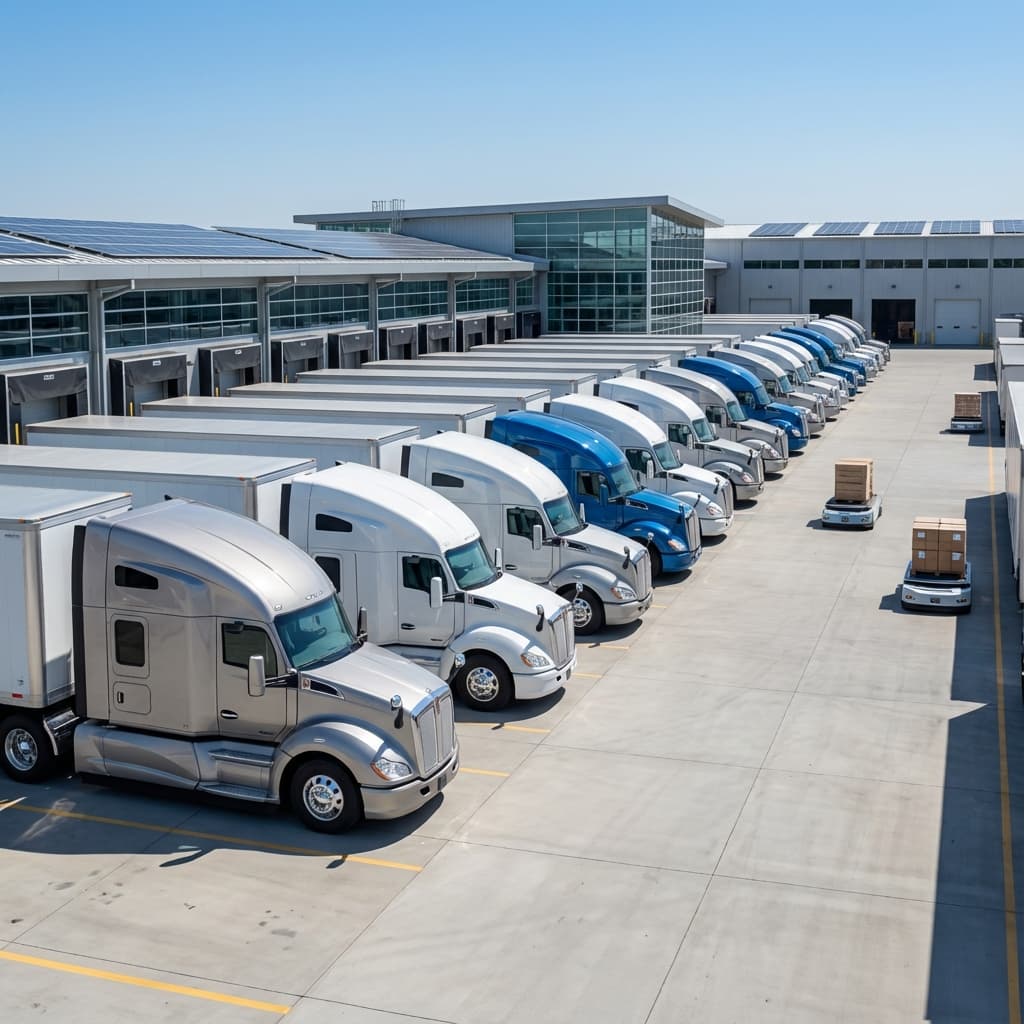
Bridging the Gap Between Driving and Managing
For many owner-operators, the natural progression of success is the expansion of their fleet. However, the move from a single-power-unit operation to a multi-truck fleet is often cited as the most difficult transition in the trucking industry. This shift requires a fundamental change in perspective: moving from being a technical expert in driving to a strategic manager of business systems.
To scale successfully without compromising the stability of your existing operation, carriers must focus on three core pillars: institutionalizing knowledge, professionalizing financial management, and building a scalable recruitment engine.
1. The Shift in Financial Governance
When you operate a single truck, financial management is often focused on the immediate margin of the next load. As a fleet manager, your focus must shift to overhead absorption and capital allocation. Scaling introduces fixed costs that exist regardless of whether a truck is moving—such as office rent, dispatch software, and administrative salaries.
- Cash Flow Management: Scaling requires a larger capital cushion. Growth often involves delayed payments from shippers or brokers while fuel and maintenance costs for multiple units hit the books immediately.
- Unit Economics: You must understand the break-even point for every truck in the fleet. This includes factoring in the driver's wage, insurance premiums per unit, and a pro-rated share of administrative overhead.
- Diversified Revenue Streams: Relying solely on the spot market is risky for a growing fleet. Scaling is the time to pursue direct shipper contracts that provide the consistent volume necessary to keep multiple drivers busy.
2. Institutionalizing Knowledge through SOPs
A common pitfall for growing carriers is the "Founder's Bottleneck," where every decision—from tire brands to route selection—must go through the owner. To scale, you must develop Standard Operating Procedures (SOPs) that allow the business to function without your constant intervention.
Critical areas for SOP development include:
- Dispatching Protocols: Establishing clear criteria for load selection based on revenue-per-mile and home-time requirements.
- Maintenance Management: Moving from reactive repairs to a scheduled preventive maintenance program that minimizes downtime across the entire fleet.
- Emergency Response: A clear, written plan for how drivers should handle breakdowns, weather delays, or cargo issues, ensuring consistency even when you aren't available to take the call.
3. The Human Capital Strategy: Beyond the Steering Wheel
As a fleet manager, your most valuable asset is no longer the truck, but the driver. In a small fleet, a single bad hire can jeopardize your reputation and your insurance standing. Shifting to a manager role means becoming a recruiter and a culture-builder.
Successful growth requires a professionalized approach to human resources. This involves creating a competitive compensation package that includes more than just a high cent-per-mile rate—consider benefits, performance bonuses, and predictable scheduling. Furthermore, clear communication channels must be established to ensure drivers feel connected to the company’s goals, reducing turnover and the high costs associated with rehiring.
4. Leveraging Data for Operational Oversight
In a single-truck operation, you know the status of your vehicle because you are in it. In a fleet, you need visibility through data. Professional fleet managers utilize management software to track real-time KPIs (Key Performance Indicators) such as:
- Utilization Rate: Are your trucks sitting idle too long between loads?
- Operating Ratio: What is the percentage of your gross income going toward operating expenses?
- Driver Retention: Tracking how long drivers stay with the fleet to identify internal operational frictions.
Conclusion: Growth as a Deliberate Process
Scaling from an owner-operator to a fleet manager is not merely a change in size; it is a change in business model. By focusing on systems rather than just trucks, and people rather than just loads, motor carriers can build a resilient organization capable of thriving in any market cycle. At United Lanes, we believe that the most successful carriers are those who treat their growth as a deliberate, structural evolution rather than an accidental expansion.
Questions about
this topic?
Our specialists are ready to provide the personalized guidance you need for your specific situation.