The Scaling Blueprint: Strategic Management for the Transitioning Motor Carrier
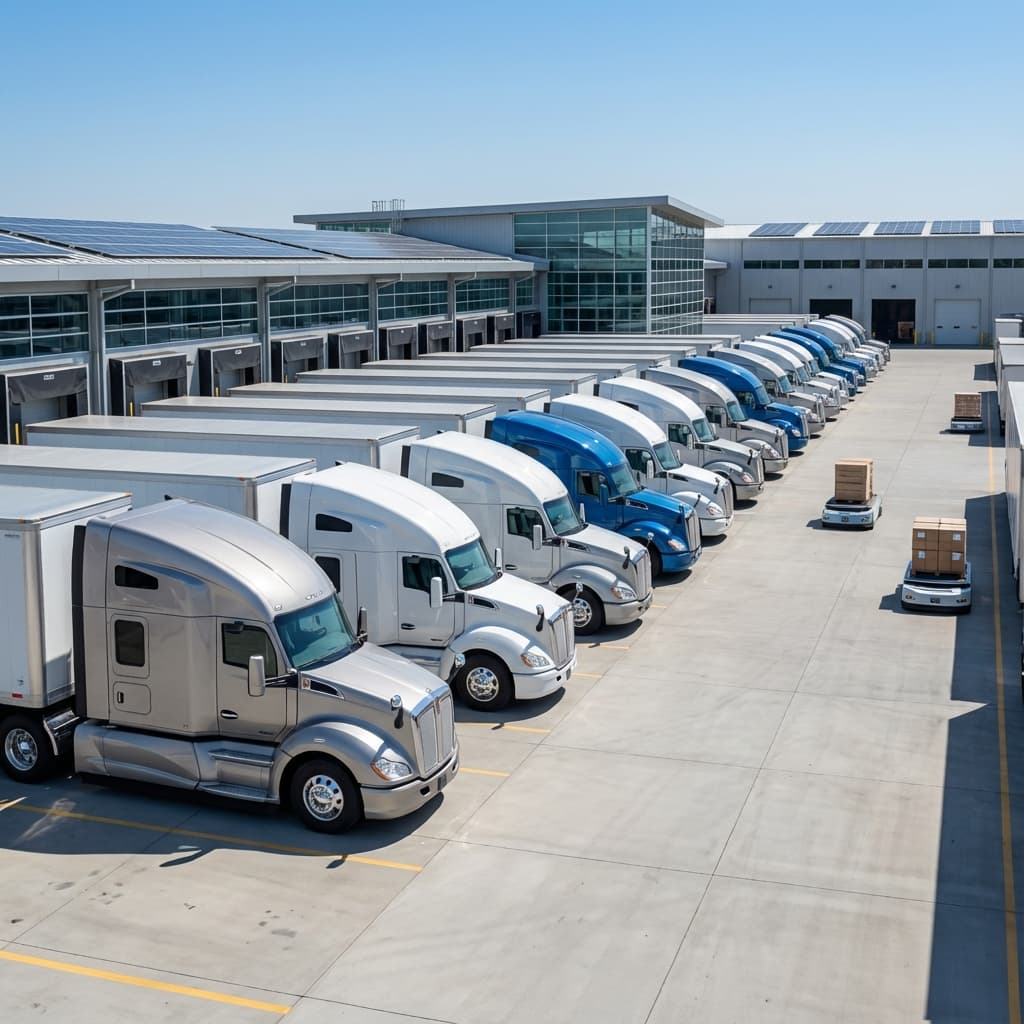
Navigating the 'Growth Gap' in Trucking Operations
For many motor carriers, the transition from a small fleet of five trucks to a mid-sized operation of twenty or more is the most perilous phase of the business lifecycle. This 'growth gap' is characterized by a shift where the owner can no longer oversee every load, driver, and maintenance check personally. To bridge this gap, carriers must transition from reactive management to systemic operations.
1. Building a Decentralized Organizational Structure
The first step in scaling is acknowledging that the 'hero' model of leadership—where the owner handles dispatch, safety, and accounting—is a bottleneck. To grow, you must invest in specialized roles:
- Dedicated Dispatch: Moving beyond load boards to building direct relationships with shippers to ensure consistent backhauls.
- Safety & Compliance Officer: As your DOT number becomes more active, your CSA scores face higher scrutiny. A dedicated lead ensures that growth doesn't come at the cost of your safety rating.
- Fleet Maintenance Coordinator: Shifting from 'break-fix' to predictive maintenance schedules to maximize uptime across a larger asset pool.
2. Financial Discipline and Capital Allocation
Growth is capital-intensive. Scaling too quickly without a cash flow cushion is a leading cause of carrier failure. Strategic carriers focus on Liquidity Management by maintaining a debt-to-equity ratio that allows for seasonal fluctuations. When expanding your fleet, consider the total cost of ownership (TCO) rather than just the monthly lease payment. This includes increased insurance premiums, registration fees, and the 'ramp-up' period before a new driver becomes fully profitable.
3. Operational Visibility Through Data Integration
Efficiency is the byproduct of visibility. Mid-sized carriers must leverage an integrated Transportation Management System (TMS) that connects their ELD data, IFTA reporting, and accounting software. By centralizing this data, management can identify high-margin lanes and eliminate 'deadhead' miles that quietly erode the bottom line. Operational efficiency isn't just about moving faster; it’s about moving smarter by using data to negotiate better rates with brokers and shippers.
4. Driver Recruitment as a Business Process
In a scaling operation, driver recruitment cannot be an afterthought. It must be treated as a continuous marketing and sales process. Strategic motor carriers develop a 'Driver Value Proposition' (DVP) that goes beyond cents-per-mile. This includes predictable home time, well-maintained equipment, and transparent communication. Reducing turnover is the most effective way to lower operational overhead, as the cost of seated-truck downtime and onboarding often exceeds $5,000 per driver.
5. Aligning Growth with Risk Management
From an insurance perspective, scaling changes your risk profile. As your fleet grows, your exposure increases, but so does your leverage with underwriters. Professional carriers use their growth to move toward Strategic Risk Retentions. By demonstrating robust operational controls and a sophisticated safety culture, growing fleets can often access more competitive Tier-1 insurance markets that are unavailable to smaller, less organized operators. At United Lanes, we emphasize that your insurance policy should grow with your ambition, providing the umbrella of protection necessary to take on larger, more lucrative contracts.
Conclusion: The Path to Sustainable Expansion
Successful scaling is a marathon, not a sprint. By focusing on organizational structure, financial resilience, and data-driven decision-making, motor carriers can transform from small-scale operators into industry leaders. The goal is to build a business that is not only larger but more stable and profitable at every mile markers.
Questions about
this topic?
Our specialists are ready to provide the personalized guidance you need for your specific situation.