The Scalability Roadmap: Navigating the Operational Shift from Owner-Operator to Fleet Manager
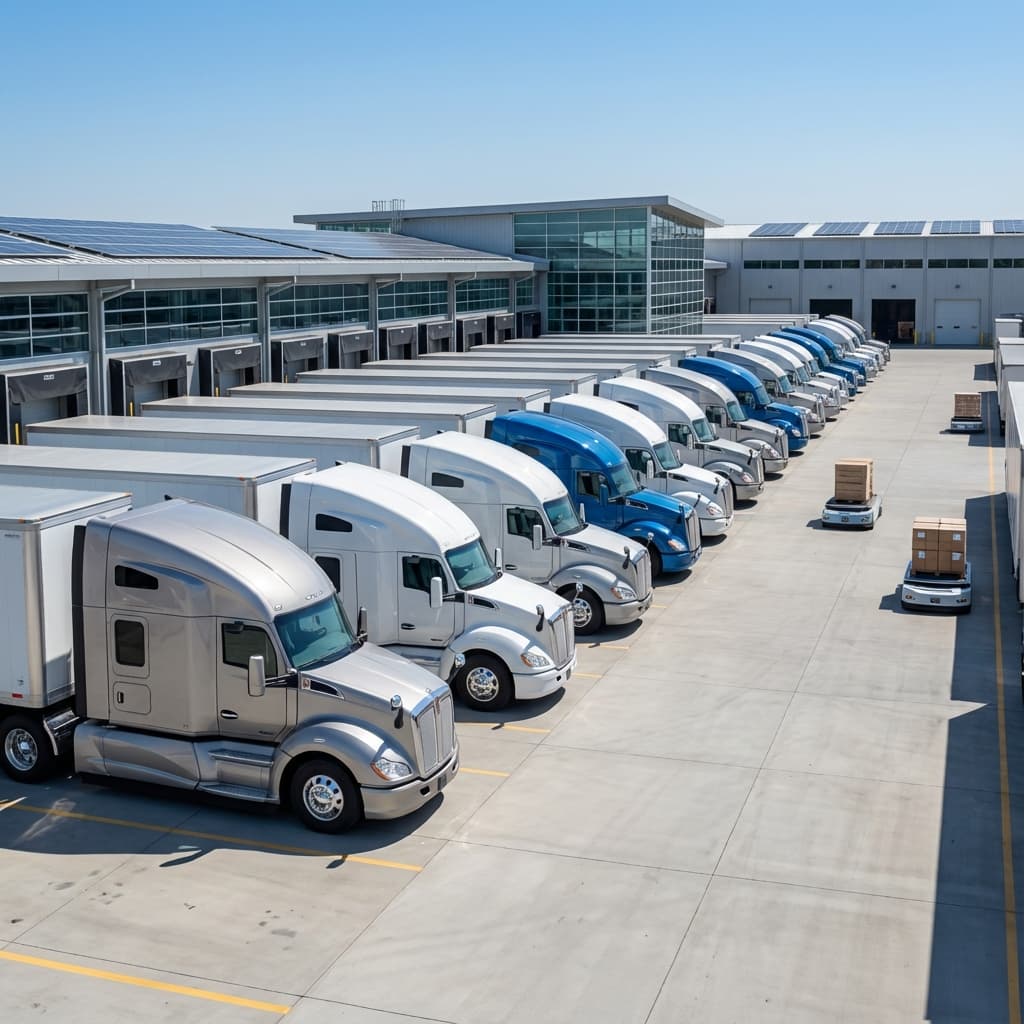
The Leap from the Cab to the Corner Office
For many motor carriers, the journey begins behind the wheel. However, there is a distinct glass ceiling that owner-operators hit when their growth is limited by their own physical hours of service. To break through, a carrier must transition from a driver-centric model to an enterprise-centric model. This evolution requires more than just purchasing additional power units; it necessitates the implementation of scalable systems, financial discipline, and a leadership mindset.
1. Strengthening Financial Infrastructure for Growth
Scaling a fleet exponentially increases capital requirements. When operating a single truck, cash flow is relatively straightforward. With a fleet, the gap between paying drivers (and fuel) and receiving payment from shippers can create a lethal liquidity crunch. To manage this, carriers should focus on:
- Working Capital Optimization: Evaluate the cost-benefit of freight factoring versus establishing a dedicated line of credit. While factoring provides immediate liquidity, as you scale, traditional bank financing often offers lower cost-of-capital.
- Unit Economic Analysis: You must know the exact 'break-even' point for every lane and every truck. This includes fixed costs (insurance, permits, debt service) and variable costs (fuel, maintenance, driver pay).
- Reserves for Maintenance: Establish a dedicated escrow for mechanical failures. A single engine overhaul can sideline an owner-operator, but for a growing fleet, it must be a budgeted line item that doesn't halt operations.
2. Transitioning to Standard Operating Procedures (SOPs)
In a one-truck operation, the 'system' lives in the driver's head. In a fleet, that knowledge must be institutionalized. Operational efficiency is born from consistency. Carriers looking to scale must document their SOPs for:
- Driver Onboarding: Creating a repeatable process for vetting, testing, and integrating new hires to ensure they meet your brand's safety and service standards.
- Preventative Maintenance Schedules: Moving from 'reactive' repairs to a strict, mileage-based maintenance protocol to maximize uptime across the fleet.
- Load Selection Criteria: Establishing clear guidelines for dispatchers or owner-managers on which freight to accept based on RPM (Rate Per Mile) goals and deadhead limitations.
3. The Human Capital Challenge: Recruiting for Longevity
The greatest bottleneck to fleet growth is rarely the availability of trucks; it is the availability of qualified, professional drivers. As a fleet manager, your primary product is no longer transportation—it is driver satisfaction. High turnover is a silent killer of operational margins.
Strategic carriers focus on 'Driver-First' operations. This includes predictable home time, transparent pay structures, and modern equipment. By treating drivers as the professional backbone of the company rather than a commodity, carriers can reduce the astronomical costs associated with recruitment and onboarding.
4. Technology as a Force Multiplier
To manage a fleet effectively without bloated administrative overhead, leveraging a robust Transportation Management System (TMS) is non-negotiable. A professional TMS allows you to track shipments, manage documents, and automate invoicing in one centralized location. This digital foundation provides the visibility needed to make data-driven decisions regarding fleet expansion and lane density.
5. Managing the Shift in Risk Profile
As you grow, your risk profile changes from an individual exposure to an institutional one. Insurance providers look for management depth. They want to see that the carrier has moved beyond 'hope as a strategy' and has implemented active monitoring of driver behavior and vehicle health. Demonstrating this operational maturity is the key to maintaining favorable premiums while your footprint on the road increases.
Conclusion: Strategic Growth vs. Rapid Expansion
Growth for the sake of growth often leads to operational collapse. Strategic growth, however, focuses on building a foundation that can support weight. By refining your financial management, standardizing your processes, and prioritizing your human capital, you transform your trucking business from a job into a scalable asset that delivers long-term value.
Questions about
this topic?
Our specialists are ready to provide the personalized guidance you need for your specific situation.