The Scalability Framework: Strategic Infrastructure for the Transitioning Motor Carrier
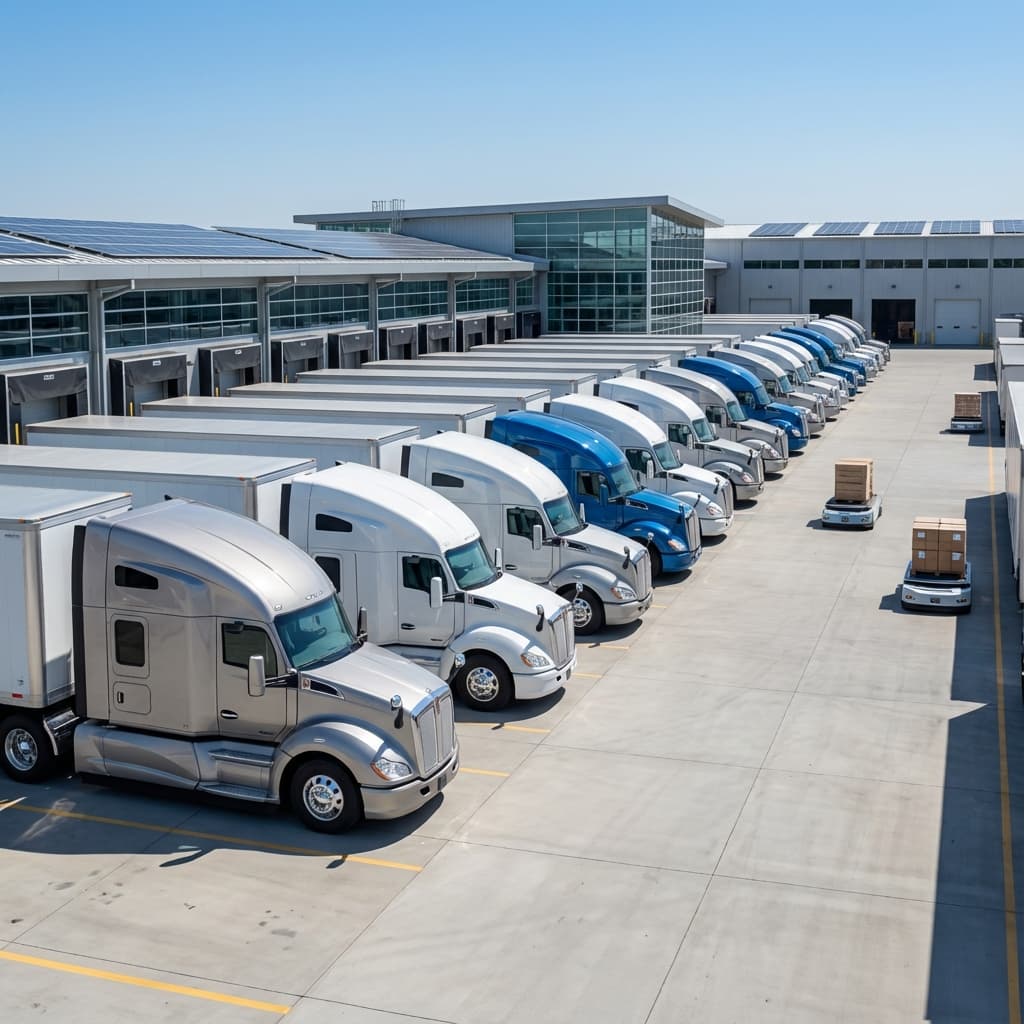
Navigating the 'Messy Middle' of Fleet Growth
For many motor carriers, the transition from operating five trucks to fifty is one of the most volatile periods in the business lifecycle. This phase, often called the 'messy middle,' is where operational inefficiencies that were manageable at a small scale begin to erode profit margins and threaten the stability of the enterprise. At United Lanes Insurance, we observe that the most successful carriers don't just grow by adding assets; they grow by institutionalizing their operations.
1. From Manual Oversight to Systemized Management
In a small fleet, the owner often wears multiple hats—dispatcher, safety officer, and sometimes driver. However, scalability requires the decoupling of the owner from daily tactical tasks. This begins with the implementation of a robust Transportation Management System (TMS) that integrates with your ELD and accounting software.
- Automated Documentation: Move away from paper-based filing for IFTA, maintenance logs, and driver qualification files.
- Data-Driven Dispatch: Use historical lane data to ensure that growth is focused on high-yield corridors rather than simply chasing volume.
- Real-Time Visibility: Implementing GPS and sensor-integrated tracking allows for proactive communication with shippers, reducing detention time and improving asset utilization.
2. The Mid-Market Talent Strategy
As you scale, your greatest operational cost—and your greatest risk—is your human capital. Growth-oriented carriers must transition from a reactive hiring mindset to a talent retention engine. High driver turnover is a hidden tax that manifests in recruitment costs, increased insurance premiums due to inexperienced drivers, and lost revenue from sitting equipment.
To build a scalable workforce, consider these pillars:
- Defined Career Paths: Offer mentorship programs for new drivers or pathways into dispatch and safety roles for veterans.
- Performance-Based Incentives: Link bonuses not just to mileage, but to safety scores, fuel efficiency, and on-time delivery metrics.
- Operational Transparency: Scalable companies share their vision with their team, ensuring that drivers feel like partners in the company’s growth rather than mere 'steering wheel holders.'
3. Financial Engineering for Capital Expenditures
Scaling requires significant capital. Managing the acquisition of new power units and trailers while maintaining a healthy debt-to-equity ratio is a delicate balance. Operational efficiency is inextricably linked to how you manage your balance sheet.
Instead of aggressive, rapid expansion funded by high-interest predatory lending, successful carriers utilize strategic asset cycling. This involves rotating out older equipment before maintenance costs exceed the monthly payment of a new unit. Not only does this keep your fleet reliable, but it also significantly improves your CSA (Compliance, Safety, Accountability) scores, which in turn keeps your insurance renewals competitive.
4. Diversification as a Risk Mitigation Tool
A common pitfall for growing carriers is 'customer concentration risk'—relying on one or two major shippers for more than 30% of total revenue. While this provides initial stability, it leaves the carrier vulnerable to rate cuts or contract losses.
Strategic scaling involves:
- Niche Specialization: Moving into specialized freight (flatbed, hazmat, or temperature-controlled) to command higher rates and insulate the business from spot market volatility.
- Geographic Density: Building a strong presence in specific regional hubs to minimize deadhead miles and improve driver home-time.
- Direct Shipper Relationships: Actively moving away from a 100% load-board dependency toward contracted freight to secure consistent cash flow.
Conclusion: Building for the Long Haul
Operational excellence is not a destination but a continuous process of refinement. By focusing on systemization, talent retention, and financial discipline, motor carriers can successfully navigate the transition to a mid-sized powerhouse. At United Lanes Insurance, we believe that a well-managed operation is the best insurance policy a carrier can have. When your internal systems are strong, your risk profile improves, and your path to sustainable growth becomes clear.
Questions about
this topic?
Our specialists are ready to provide the personalized guidance you need for your specific situation.