The Scalability Blueprint: Mastering the Operational Transition from Owner-Operator to Fleet Manager
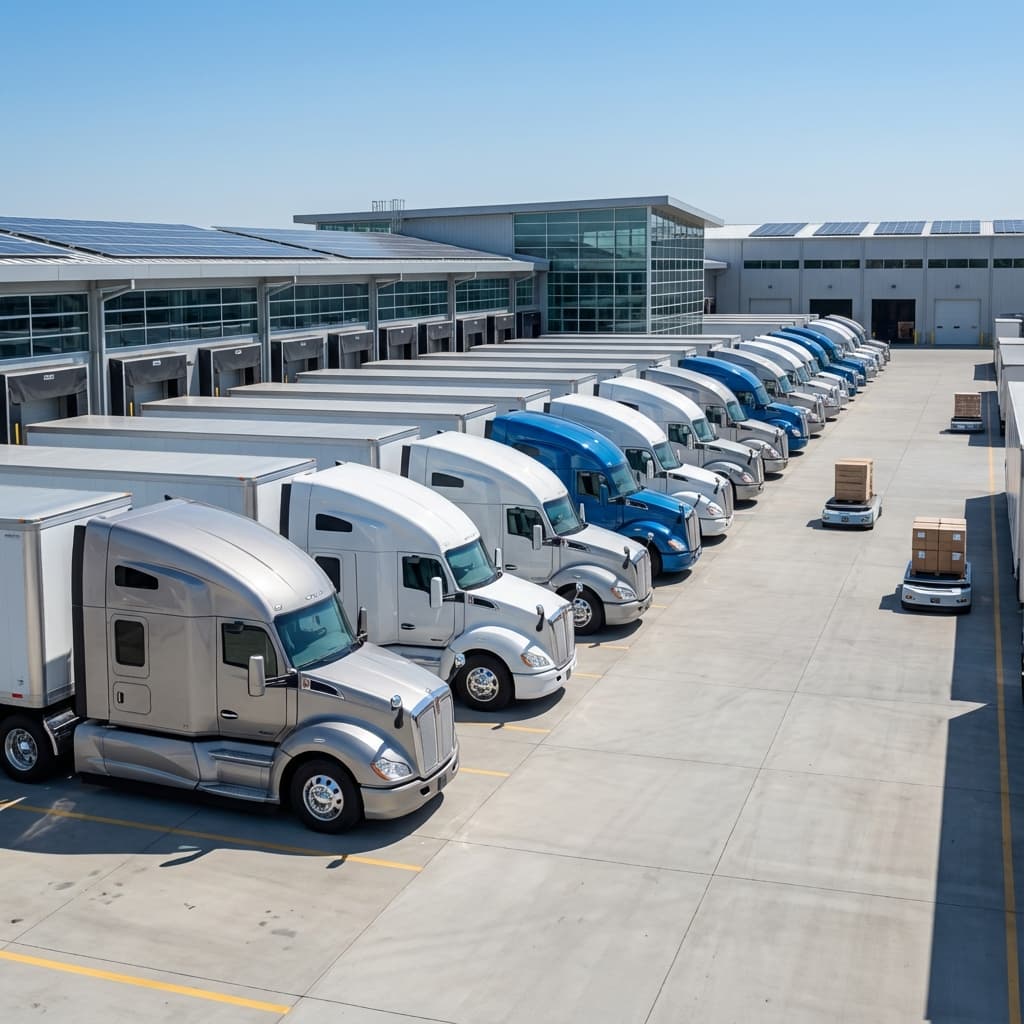
The Evolution of a Motor Carrier
For many in the trucking industry, the transition from driving a single truck to managing a fleet is the ultimate goal. However, the leap from owner-operator to fleet manager is more than just a change in title; it is a total transformation of business operations. What worked for a one-man show will often fail when scaled to five, ten, or twenty units.
To scale successfully, carriers must move away from reactive daily tasks and toward proactive systems. This guide explores the operational pillars required to build a scalable, profitable, and sustainable trucking business.
1. Financial Infrastructure and Cash Flow Management
In a small operation, cash flow is often managed in the owner's head. In a growing fleet, that approach leads to disaster. Scalability requires a rigorous financial framework that can withstand the lag between hauling a load and receiving payment.
- Working Capital Reserves: Growth consumes cash. Whether it is fuel for new routes or down payments on equipment, a carrier should ideally maintain 60 to 90 days of operating expenses in reserve.
- Strategic Factoring: While factoring can provide immediate liquidity, growing carriers should evaluate their recourse vs. non-recourse options. As you scale, your increased volume may allow you to negotiate lower factoring rates, directly impacting your bottom line.
- Profit Per Mile (PPM) Analysis: You must move beyond gross revenue. Understanding your true cost-per-mile—including fixed costs like insurance and permits, and variable costs like maintenance and fuel—is the only way to ensure that growth is actually profitable.
2. Developing a Scalable Driver Recruitment Engine
The biggest bottleneck to fleet growth isn't finding freight; it is finding and keeping qualified drivers. To scale, you must stop 'hiring' and start 'recruiting' and 'retaining.'
Operational efficiency in human resources means creating a culture that drivers want to join. This includes transparent pay structures, predictable home time, and well-maintained equipment. From an insurance perspective, a rigorous driver vetting process—going beyond the MVR to check employment history and safety performance—is essential to keeping your premiums stable as your exposure increases.
3. Technology Integration: Beyond the ELD
To manage multiple units effectively, manual spreadsheets and paper logs must be replaced with a robust Transportation Management System (TMS). A TMS serves as the central nervous system of your business operations, integrating:
- Dispatch and Routing: Optimizing miles to reduce deadhead and increase driver satisfaction.
- Automated Billing: Reducing the time between delivery and invoicing to improve the cash cycle.
- Maintenance Tracking: Moving from reactive repairs to a preventive maintenance schedule that minimizes roadside breakdowns and CSA violations.
4. Institutionalizing Safety and Compliance
As your fleet grows, your DOT profile becomes more visible to regulators and underwriters. You can no longer oversee every pre-trip inspection personally. Growth requires Standard Operating Procedures (SOPs) for safety.
Establishing a formal safety program—even with just three trucks—sets the foundation for a fleet of fifty. This includes regular safety meetings, a clear policy on cell phone usage, and an incentive program that rewards drivers for clean inspections. Remember, a single major accident or a series of 'Conditional' safety ratings can halt your growth by making insurance unaffordable or disqualifying you from high-paying shipper contracts.
5. Diversifying Your Freight Mix
Relying solely on the spot market is a risky strategy for a growing fleet. To build a resilient business, aim for a balanced freight mix. Establishing direct relationships with shippers provides more predictable revenue and allows for better route planning. Operational efficiency is maximized when you can create 'lanes' rather than chasing one-off loads, allowing your drivers to become familiar with facilities and reducing time spent at docks.
Conclusion: Leading the Shift
Scaling a motor carrier is a marathon, not a sprint. By focusing on financial discipline, technological integration, and a culture of safety, owner-operators can successfully navigate the complexities of fleet management. At United Lanes, we understand that as your fleet grows, your risk profile changes. Building a solid operational foundation today ensures that your business remains insurable, profitable, and ready for the opportunities of tomorrow.
Questions about
this topic?
Our specialists are ready to provide the personalized guidance you need for your specific situation.