The Scalability Blueprint: Transitioning from Owner-Operator to Fleet Management Enterprise
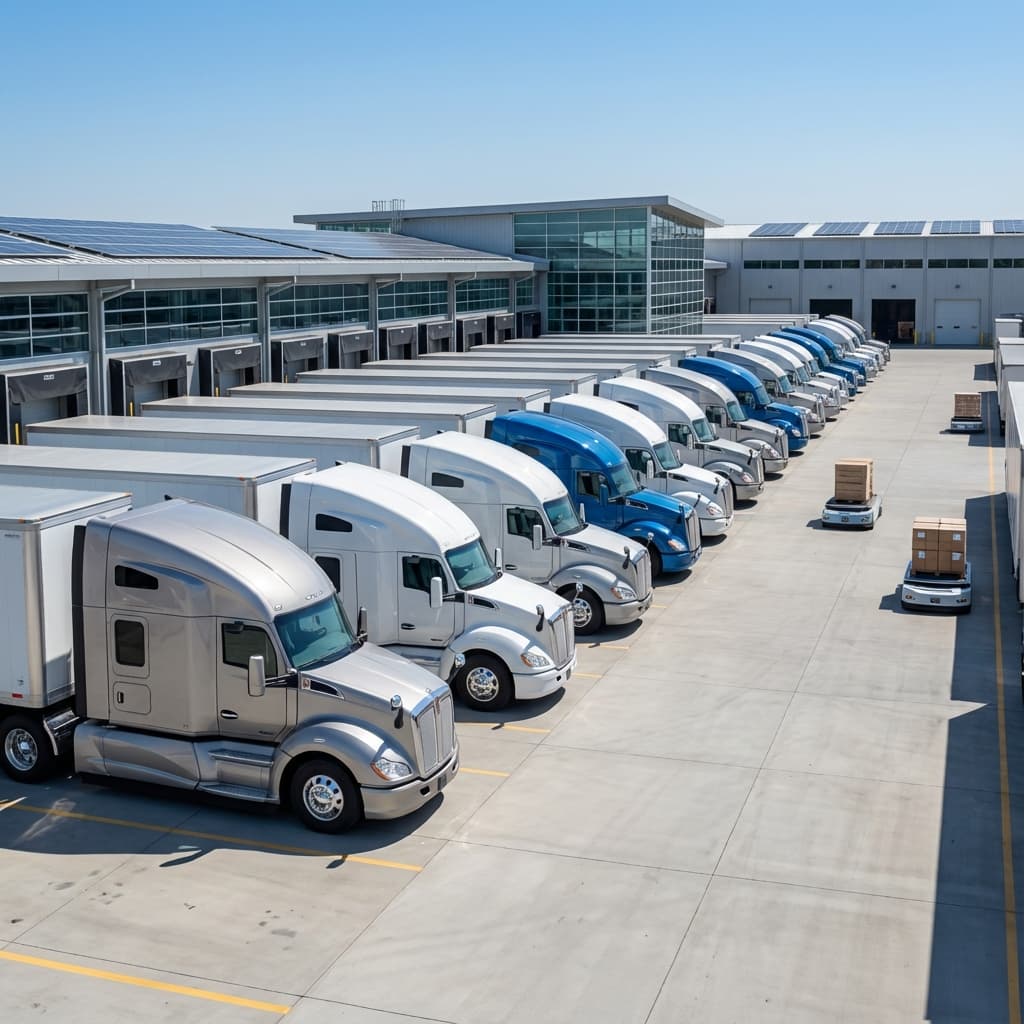
The Growth Paradox: Why More Trucks Don’t Always Mean More Profit
For many motor carriers, the transition from a single-truck owner-operator to a fleet manager is the most challenging phase of the business lifecycle. While adding power units increases gross revenue, it also exponentially increases operational complexity, regulatory oversight, and overhead. Without a Scalability Blueprint, many carriers find their margins shrinking even as their fleet grows.
To successfully scale, motor carriers must move beyond 'survival mode' and implement professionalized business systems that decouple growth from chaos. This article explores the strategic shifts required to transform a small operation into a resilient fleet enterprise.
1. Rethinking Organizational Structure: From Doer to Delegator
The primary hurdle to scaling is the 'Founder's Trap,' where the owner remains the primary dispatcher, mechanic, and compliance officer. To scale effectively, carriers must establish a clear organizational structure that focuses on three core pillars:
- Operational Oversight: Centralizing dispatch and load planning to ensure assets are moving on high-yield lanes rather than chasing one-off spot market rates.
- Administrative Resilience: Moving from manual spreadsheets to integrated Transportation Management Systems (TMS) that handle invoicing, IFTA tracking, and driver settlements automatically.
- Safety and Compliance Leadership: As the fleet grows, the FMCSA’s lens on your DOT number sharpens. Dedicated safety management becomes a necessity to protect your operating authority.
2. Strategic Freight Diversification: Mitigating Customer Concentration Risk
One of the greatest operational risks for a growing carrier is customer concentration. Relying on a single broker or one major shipper for more than 30% of your revenue creates a 'single point of failure.' Scalable enterprises focus on a balanced freight mix:
The 40/40/20 Rule
Professional carriers often aim for a diversified revenue stream to weather market volatility: 40% Contractual Dedicated, 40% Direct Shipper Relationships, and 20% Spot Market/Brokerage. This mix provides the stability of consistent cash flow with the flexibility to capitalize on high-rate surges in the spot market.
3. Financial Infrastructure and Capital Allocation
Scaling requires a sophisticated approach to capital. High-growth carriers don't just buy trucks; they manage an asset lifecycle. This includes:
- Cash Flow Reserves: Maintaining a minimum of 60 days of operating expenses in liquid reserves to handle fuel price spikes or delayed shipper payments.
- Credit Facility Optimization: Moving from high-cost factoring to traditional lines of credit as the business matures, significantly reducing the cost of working capital.
- Fixed vs. Variable Cost Analysis: Rigorously tracking the 'Cost Per Mile' (CPM) and ensuring that expansion only occurs when the projected revenue exceeds the fully-burdened cost of the new asset, including insurance, maintenance, and driver acquisition.
4. Driver-Centric Operational Efficiency
In a scalable model, the driver is the most critical asset. Operational efficiency isn't just about the truck; it’s about driver retention through better lifestyle engineering. Carriers that scale successfully often implement:
- Predictable Routing: Using data to create 'triangular' routes that maximize home time while maintaining high utilization.
- Incentive-Based Compensation: Moving beyond simple CPM to include bonuses for fuel efficiency, safety milestones, and on-time delivery performance.
Conclusion: Building for the Long Haul
Transitioning to a fleet management enterprise requires a shift in mindset from 'driving' to 'directing.' By professionalizing your organizational structure, diversifying your freight base, and maintaining a disciplined financial strategy, you create a business that is not just larger, but more profitable and resilient. At United Lanes Insurance, we understand that as your fleet grows, your risk profile changes. Building a scalable business means building a safe business—one that underwriters are eager to support.
Questions about
this topic?
Our specialists are ready to provide the personalized guidance you need for your specific situation.