The Scalability Blueprint: Navigating the Operational Shift from Owner-Operator to Multi-Truck Fleet
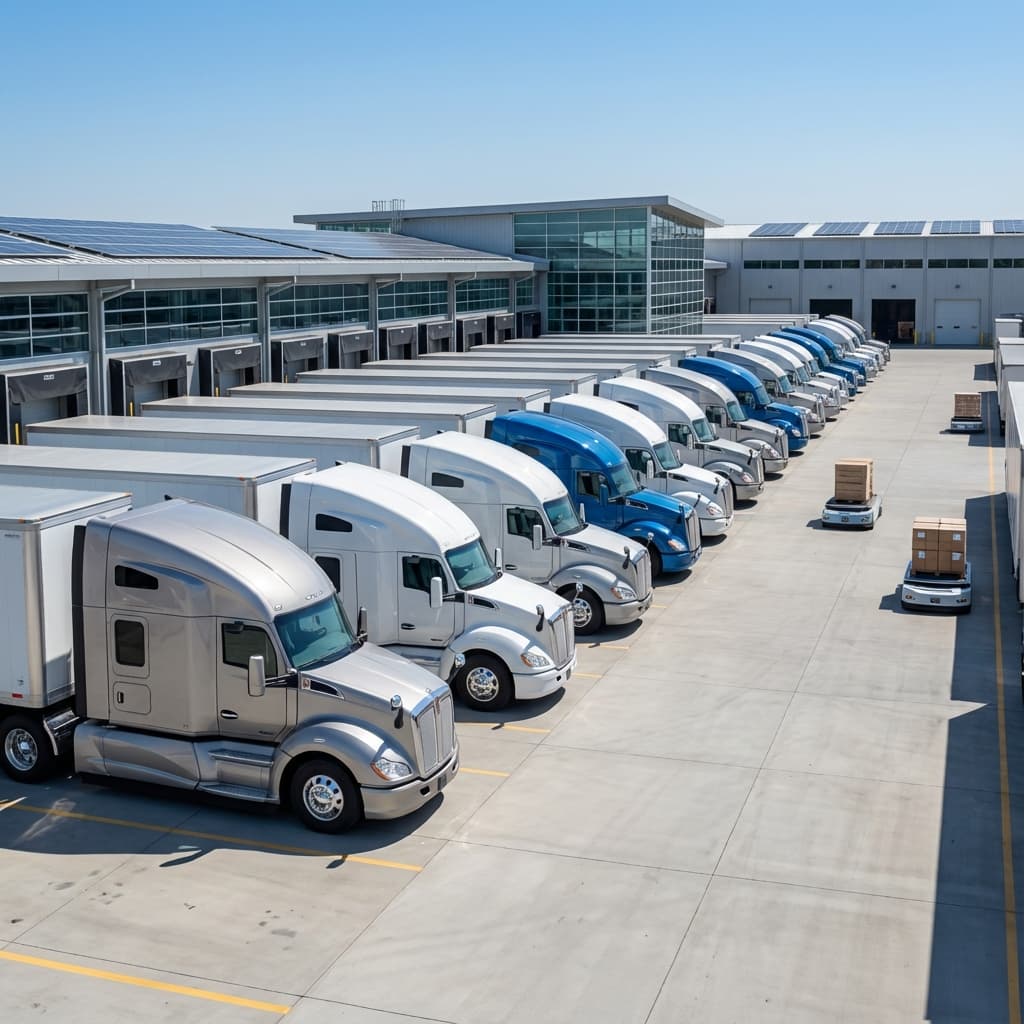
Scaling Beyond the Cab: The Operational Challenge
For many owner-operators, the transition to fleet ownership is the ultimate goal. However, the move from managing a single truck to overseeing a multi-unit operation is one of the most precarious stages in a motor carrier's lifecycle. What worked for a solo driver—hands-on maintenance, personal relationships with a single broker, and manual record-keeping—becomes a liability when scaled. To succeed, carriers must shift their focus from driving to systems management.
1. Building a Resilient Back-Office Infrastructure
As you add trucks, the administrative burden grows exponentially, not linearly. Successful fleet expansion requires an infrastructure that can handle increased compliance, payroll, and dispatching without the owner being involved in every minute detail.
- Implementing a Transportation Management System (TMS): Relying on spreadsheets is a recipe for error at five or more trucks. A robust TMS centralizes load data, driver settlements, and maintenance schedules, providing the data visibility needed to make informed expansion decisions.
- Delegating Dispatch: Moving from self-dispatching to a dedicated dispatcher (or service) allows the owner to focus on business development and high-level strategy rather than chasing loads.
- Financial Forecasting: Growth consumes cash. You must move beyond monitoring bank balances to analyzing cost-per-mile (CPM) across the entire fleet and maintaining a cash reserve for the inevitable maintenance 'surprises' that come with more equipment.
2. The Human Capital Pivot: From Driver to Manager
The greatest risk to a growing fleet is the quality of its drivers. When you are the only driver, you know the equipment is handled with care. When you hire others, you are outsourcing your reputation and your liability.
Rigorous Recruitment Standards
Establish a hiring protocol that exceeds FMCSA minimums. This includes multi-year clean MVRs and consistent work histories. Remember: A single high-risk driver can spike your insurance premiums across the entire fleet, erasing the profit margins generated by the additional truck.
Driver Retention as an Operational Strategy
High turnover is an operational drain. The cost of recruiting, onboarding, and the downtime of a seated truck can reach thousands of dollars per incident. Implementing performance-based incentives and maintaining high-quality equipment are not just perks; they are essential strategies for stabilizing operational costs.
3. Operational Efficiency and Asset Utilization
In a small fleet, a truck sitting idle for three days is a financial emergency. Maximizing asset utilization is the key to scaling. This involves a strategic approach to lane density and customer diversification.
- Developing Direct Shipper Relationships: While load boards are useful for filling gaps, long-term growth is built on direct contracts. Diversifying your customer base protects the fleet from spot-market volatility.
- Preventative Maintenance (PM) Scheduling: When you have multiple trucks, you cannot wait for things to break. An operational calendar for PM ensures that maintenance is performed during scheduled downtime, preventing road calls that disrupt service and increase costs.
4. The Impact of Scale on Risk Profile
As your fleet grows, your risk profile changes in the eyes of underwriters and regulators. A single DOT recordable accident has a much higher impact on a small fleet's SMS scores than it does on a mega-carrier. Professionalizing your safety management early is critical.
By treating safety and compliance as core business functions rather than afterthoughts, you build a "defensible" operation. This means documenting every training session, conducting regular internal audits of logs, and ensuring that your growth never outpaces your ability to supervise your team effectively.
Conclusion: Strategic Growth vs. Rapid Growth
Scaling a motor carrier is a marathon, not a sprint. The carriers that thrive are those that build a foundation of systems and processes before they add the next power unit. By focusing on operational efficiency, data-driven decision-making, and high-standard recruitment, you can transition from an owner-operator to a successful fleet executive with a business built for longevity.
Questions about
this topic?
Our specialists are ready to provide the personalized guidance you need for your specific situation.