The Scalability Blueprint: Hardening Back-Office Operations for Sustainable Fleet Expansion
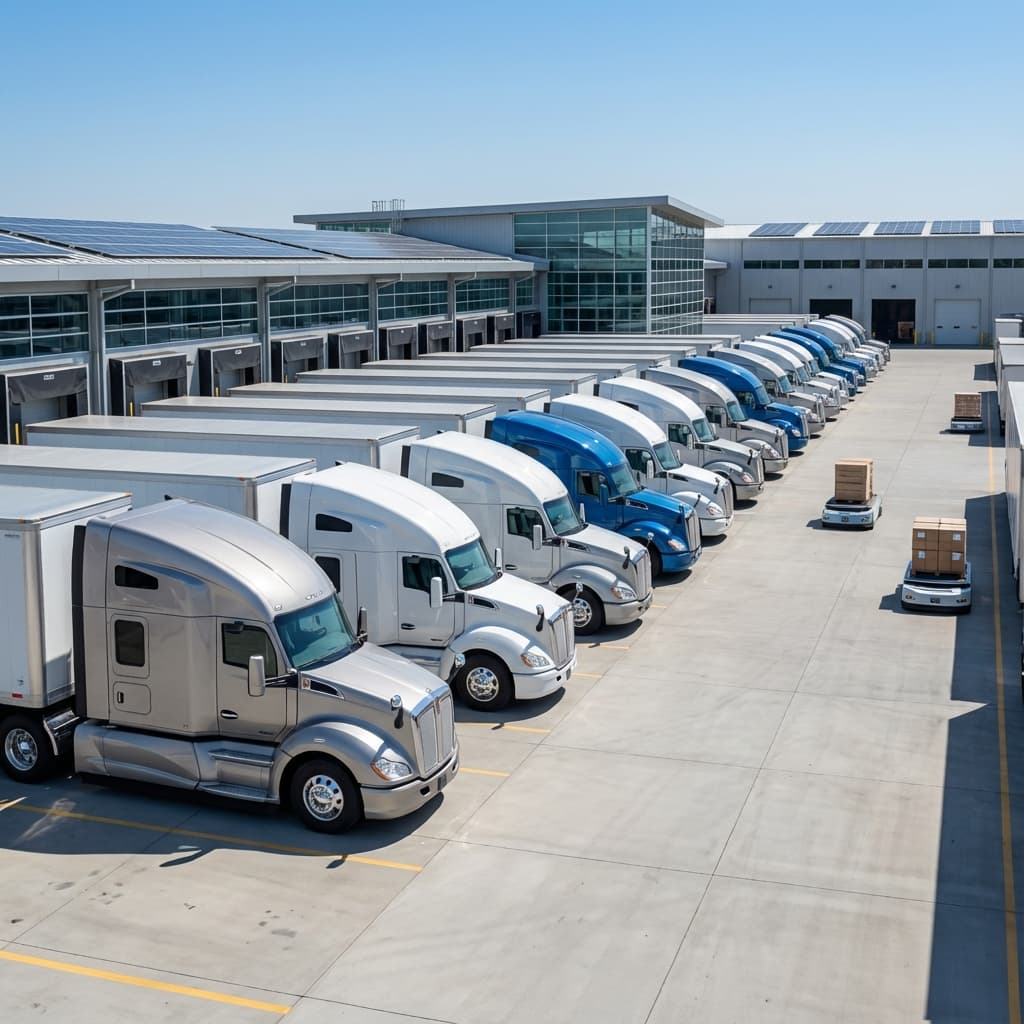
Beyond the Cab: The Administrative Infrastructure of Growth
For many motor carriers, the transition from a small family-run operation to a mid-sized fleet is the most precarious phase of the business lifecycle. While the focus is often on securing new equipment and hiring drivers, the true bottleneck of expansion usually lies in the back-office infrastructure. Without a scalable operational framework, the complexities of compliance, dispatch coordination, and financial management can quickly erode the margins that were supposed to fuel growth.
At United Lanes Insurance, we observe that the most successful carriers don’t just grow fast; they grow resiliently. This means building a foundation that can handle a 20-truck workload with the same precision as a 5-truck operation.
1. Standardizing Operational Workflows (SOPs)
In a small operation, the owner often carries the entire business logic in their head. To scale, that knowledge must be codified into Standard Operating Procedures (SOPs). Documenting how your business handles specific events ensures consistency and reduces the risk of expensive errors.
- Dispatch Protocols: Clearly defined criteria for load selection, deadhead limits, and driver communication frequencies.
- Maintenance Schedules: Moving from reactive repairs to a strict, software-tracked preventive maintenance program.
- Reporting Standards: Establishing a weekly cadence for reviewing Key Performance Indicators (KPIs) such as revenue per mile and fuel efficiency.
2. Transitioning to an Integrated TMS
Relying on spreadsheets or manual whiteboards is a recipe for disaster during expansion. A robust Transportation Management System (TMS) acts as the central nervous system of your business. To support sustainable growth, your TMS should integrate three critical functions:
Load Management: Real-time visibility into freight status and driver availability.
Financial Integration: Automatic generation of invoices and seamless syncing with accounting software to ensure healthy cash flow.
Compliance Tracking: Centralizing ELD data, IFTA reporting, and driver qualification files (DQFs) to remain audit-ready at all times.
3. Financial Visibility and Unit-Level Economics
Growth can often mask underlying inefficiencies. A carrier might see rising total revenue while their net profit margin actually shrinks. Professional fleet management requires a deep dive into unit-level economics—tracking the profitability of every individual truck and trailer in the fleet.
By identifying "underperforming assets" early, carriers can make data-driven decisions about whether to reassign a driver, change a route, or rotate equipment. High-growth carriers use Pro Forma financial modeling to project the impact of new equipment debt on their overall debt-to-equity ratio before signing a lease agreement.
4. Risk Management as a Competitive Advantage
Operational efficiency is inextricably linked to risk management. As your fleet grows, your exposure increases exponentially. A single catastrophic claim can derail a scaling operation if the back-office isn't prepared. Building a Scalability Blueprint includes:
- Vetting Protocols: Implementing a rigorous, non-negotiable hiring standard for new drivers that exceeds FMCSA minimums.
- Insurance Alignment: Working with specialized analysts to ensure your coverage limits and policy structures evolve alongside your asset count.
- Safety Governance: Establishing a formal safety committee that reviews telematics data and implements corrective action plans immediately when high-risk behaviors are detected.
5. The Human Capital Pipeline
Finally, scaling requires a shift in leadership mindset. As a motor carrier grows, the owner must transition from being the "Lead Problem Solver" to the "Chief Strategist." This involves hiring specialized administrative staff—such as dedicated safety directors or fleet managers—who can own specific verticals of the business.
A resilient back-office provides these employees with the tools they need to succeed, ensuring that the carrier’s culture of excellence remains intact even as the driver pool doubles or triples in size. Growth is a marathon of precision, and the winners are those who build an office as strong as their engines.
Questions about
this topic?
Our specialists are ready to provide the personalized guidance you need for your specific situation.