The Resilient Carrier: Building a Debt-Light and Cash-Flow Heavy Operational Infrastructure
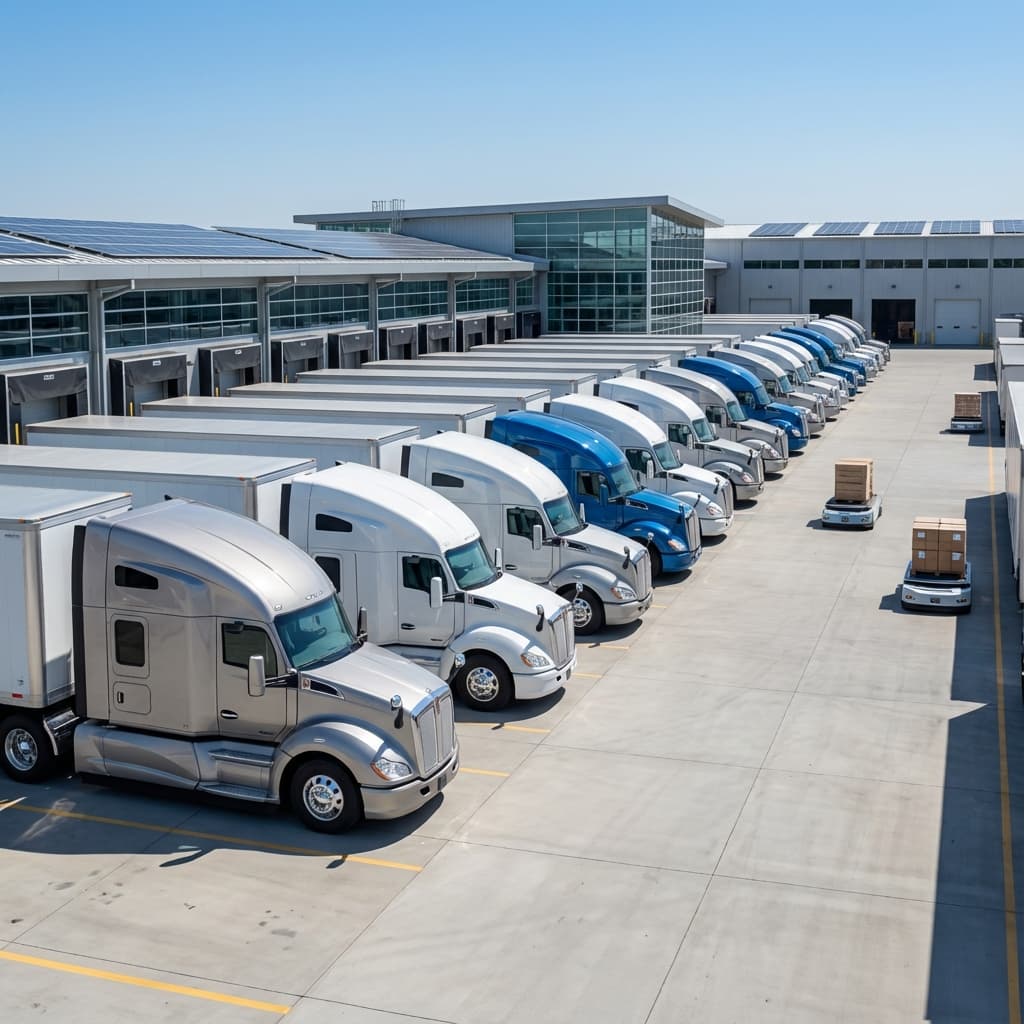
Defining Resilience in a Volatile Freight Market
In the trucking industry, the line between record-breaking profits and insolvency is often thinner than most motor carriers care to admit. While many operators focus exclusively on growth and scale, the most successful fleets—the ones that survive through multiple market cycles—prioritize operational resilience. At United Lanes Insurance, we observe that the most insurable and stable carriers are those that treat their balance sheet with as much discipline as their safety logs.
The Debt-to-Equity Balance: Avoiding the Over-Leverage Trap
During peak freight cycles, the temptation to rapidly expand the fleet through aggressive financing is high. However, excessive equipment debt is the primary catalyst for carrier failure when spot rates soften. To build a resilient operation, carriers should aim for a conservative debt-to-equity ratio.
- Staggered Equipment Refresh: Avoid purchasing large blocks of power units simultaneously. Staggering your equipment lifecycle ensures that you aren't hit with massive balloon payments or a fleet-wide expiration of warranties all at once.
- Equity Building: Aim to own a portion of your fleet outright. Paid-off assets provide a crucial "buffer" during low-rate environments, as their only overhead is maintenance, insurance, and fuel.
- The Cost of Capital: Always weigh the interest rates of equipment loans against the projected Revenue Per Mile (RPM). If your debt service exceeds 15% of your gross revenue per unit, your operational flexibility is severely compromised.
Mastering the Cash Flow Gap
Trucking is a capital-intensive business with a notorious delay between expense and reimbursement. Between fuel, payroll, and insurance premiums, a carrier can spend tens of thousands of dollars before a single invoice is paid. Managing this 30-to-60-day gap is the hallmark of a professional operation.
Evaluating Factoring vs. Asset-Based Lending
While factoring provides immediate liquidity, it comes at the cost of your margins. High-efficiency carriers work toward building a 90-day cash reserve that allows them to move away from expensive factoring and toward traditional lines of credit or self-funding. This shift alone can improve net margins by 2% to 4%, providing a significant competitive advantage.
The 20% Rule: Strategic Revenue Diversification
Operational efficiency is often undermined by customer concentration. If a single shipper or broker accounts for more than 20% of your total revenue, your business is at the mercy of their stability. A resilient carrier builds a "Freight Mix" that balances:
- Contract Lanes: Providing consistent volume and predictable cash flow.
- Direct Shipper Relationships: Cutting out the intermediary to capture higher margins.
- Spot Market Agility: Utilizing the spot market only for backhauls or to capitalize on sudden surges.
Identifying and Eliminating Operational Waste
Efficiency isn't just about moving more freight; it’s about moving it with fewer resources. Carriers should focus on three specific "soft" waste areas:
1. Deadhead Optimization: Every empty mile is a direct hit to your bottom line. Integrating advanced route planning that prioritizes reloads over speed can transform your annual profitability.
2. Fuel Surcharge Management: Ensure your contracts have robust fuel surcharge (FSC) protections. In an era of volatile energy prices, a carrier without a disciplined FSC strategy is effectively gambling with their operational budget.
3. Maintenance Proactivity: Reactive maintenance costs three times more than preventative maintenance when you factor in towing, emergency repair premiums, and—most importantly—lost opportunity costs. A well-maintained fleet not only lowers operational overhead but also earns more favorable consideration from insurance underwriters.
Conclusion: The Path Forward
Building a resilient motor carrier requires a shift in mindset from "How big can I get?" to "How strong can I get?" By managing debt, securing cash flow, and diversifying revenue, you create a business that can withstand the inevitable corrections of the freight market. At United Lanes Insurance, we are committed to helping you navigate these operational complexities, ensuring your business remains profitable and protected for the long haul.
Questions about
this topic?
Our specialists are ready to provide the personalized guidance you need for your specific situation.