The Resilience Roadmap: Strategic Freight Diversification and Cash Flow Optimization
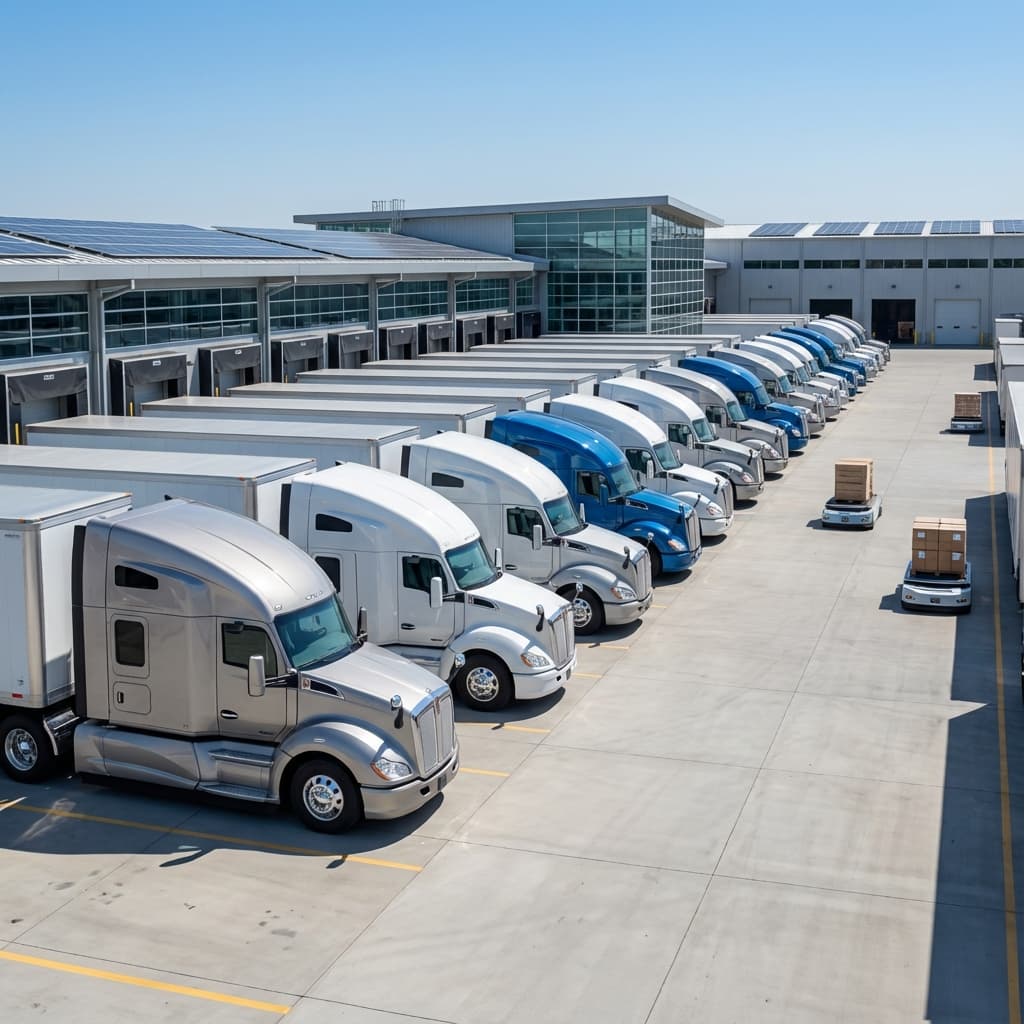
Building a Recession-Proof Motor Carrier Business
In the cyclical world of transportation, the difference between a carrier that merely survives and one that thrives lies in operational resilience. While safety and compliance are the bedrock of any fleet, the business operations—specifically how you source freight and manage your liquidity—determine your ability to scale. For the modern motor carrier, long-term success requires a shift from a 'load-to-load' mentality to a high-level strategic roadmap.
The Power of Freight Diversification
One of the most significant risks to a trucking company’s stability is over-reliance on a single industry or a specific broker. When that sector experiences a downturn, the carrier’s revenue can vanish overnight. Strategic diversification involves balancing your portfolio across different freight types and contract structures.
- Contract vs. Spot Market: While the spot market can offer lucrative rates during capacity crunches, contract freight provides the predictable volume necessary for consistent cash flow and easier financing for fleet expansion.
- Industry Mixing: Aim to serve multiple sectors (e.g., consumer packaged goods, construction materials, and agriculture). This ensures that a seasonal slump in one area is offset by peak demand in another.
- Geographic Strategy: Evaluate your primary lanes to ensure you aren't perpetually ending up in 'dead zones.' Diversifying your destination points allows for more competitive backhaul opportunities.
Optimizing Operational Velocity
Operational efficiency is not just about driving faster; it is about reducing the 'non-earning' time of your assets. Operational velocity refers to how quickly and efficiently your fleet moves through the dispatch cycle—from booking to delivery to payment.
To improve velocity, carriers should focus on deadhead reduction. Every mile driven empty is a direct hit to your bottom line and increases your risk exposure without generating revenue. Utilizing load board data and establishing 'triangulation' routes—where a driver moves between three points rather than simple out-and-back trips—can significantly decrease empty miles and improve the revenue-per-truck metric.
Financial Health: Cash Flow and the Insurance Connection
Cash is the fuel that keeps a motor carrier moving. Poor cash flow management, often characterized by a high Days Sales Outstanding (DSO), can prevent a carrier from maintaining equipment or investing in better technology. This financial strain often trickles down into safety; if a carrier cannot afford preventive maintenance, their risk profile increases.
Strong business operations include strict credit policies for brokers and shippers. Consider the following strategies to protect your liquidity:
- Factoring with Care: While freight factoring can provide immediate cash, ensure you understand the recourse versus non-recourse terms to avoid unexpected chargebacks.
- Direct Billing: Whenever possible, establish direct relationships with shippers to bypass broker fees and gain more control over payment timelines.
- Technology Integration: Use Transportation Management Systems (TMS) that automate invoicing the moment a Proof of Delivery (POD) is uploaded, shortening the billing cycle.
The Strategic Importance of Vendor Partnerships
Scaling a fleet is rarely a solo endeavor. As you grow, your relationships with maintenance providers, fuel networks, and insurance partners become critical. At United Lanes Insurance, we view insurance not just as a mandate, but as a strategic business asset. A carrier that demonstrates operational maturity—through diverse freight contracts and stable financial management—is viewed more favorably in the insurance market, often leading to better terms and more flexible coverage options as the fleet expands.
Conclusion: Future-Proofing Your Fleet
The roadmap to resilience is paved with data-driven decisions and a commitment to operational excellence. By diversifying your freight mix, tightening your financial cycles, and leveraging strategic partnerships, you transform your trucking company from a simple service provider into a robust enterprise capable of navigating any market volatility.
Questions about
this topic?
Our specialists are ready to provide the personalized guidance you need for your specific situation.