The Resilience Roadmap: Strategic Diversification and Lane Optimization for Sustainable Growth
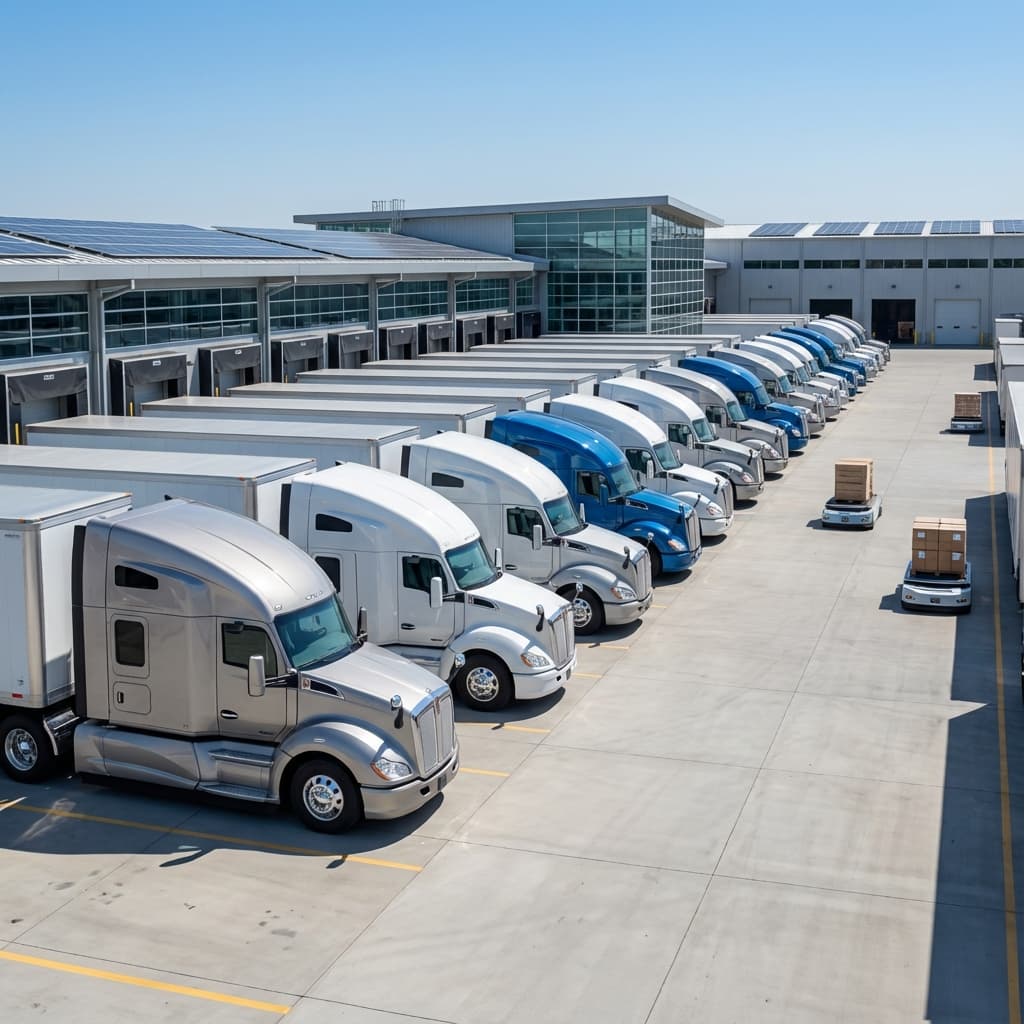
Building a Recession-Proof Foundation in Trucking
In the volatile world of freight, the difference between a motor carrier that merely survives and one that thrives is often found in their operational blueprint. Many carriers fall into the trap of spot-market dependency, chasing high rates during peaks but finding themselves vulnerable during market corrections. To build true enterprise value, carriers must shift toward a strategy of resilience through diversification.
The Power of Lane Density and Geographic Concentration
Operational efficiency is frequently a byproduct of geographic focus. While it is tempting to chase a high-paying load across the country, the hidden costs of 'deadhead' miles and driver burnout often erode the perceived profit. Lane density—the practice of focusing equipment within specific corridors—allows a carrier to:
- Reduce Operating Costs: Minimized deadhead mileage directly correlates to lower fuel spend and reduced wear and tear on equipment.
- Improve Driver Retention: Consistent lanes lead to predictable home time, one of the most significant factors in driver satisfaction.
- Enhance Maintenance Planning: When trucks frequent the same routes, carriers can establish preferred vendor relationships for roadside assistance and scheduled maintenance.
The 20% Rule of Client Diversification
A common operational risk for small to mid-sized fleets is 'customer concentration.' Relying on a single large shipper for more than 20% of your total revenue creates a single point of failure. If that shipper cuts production, changes their bidding process, or experiences financial distress, your fleet’s stability is compromised. Strategic diversification involves balancing your portfolio between contract freight, dedicated accounts, and a controlled percentage of spot-market opportunistic hauling.
Optimizing the Fleet Composition
Fleet management is not just about keeping trucks moving; it is about managing the debt-to-income ratio of your equipment. For carriers looking to scale, the decision between purchasing and leasing equipment is pivotal. Rapid expansion through high-interest financing can lead to a 'cash crunch' during seasonal dips. Successful operators focus on a staggered replacement cycle, ensuring that only a portion of the fleet is under high-payment financing at any given time.
Data-Driven Dispatch: Beyond the Load Board
Modern operational efficiency requires moving beyond the load board. Implementing a robust Transportation Management System (TMS) allows carriers to track Revenue Per Mile (RPM) vs. Cost Per Mile (CPM) in real-time. To optimize yield, dispatchers must consider the 'all-in' cost of a load, which includes:
- Fuel taxes (IFTA) associated with specific states.
- Tolls and infrastructure fees.
- Dwell times at specific facilities that sap the driver’s Hours of Service (HOS).
The Insurance Synergy: Operational Excellence as a Financial Lever
At United Lanes, we consistently see that carriers with tight operational controls enjoy better insurance standing. Insurance underwriters look for consistency. A carrier that operates in predictable lanes with a stable client base and low driver turnover is viewed as a lower risk. By optimizing your business operations, you aren't just increasing your margins; you are building a profile that earns preferred insurance pricing and better terms, further strengthening your bottom line.
Conclusion: The Path to Scalability
Scaling a motor carrier requires a transition from a 'trucking mindset' to a 'logistics business mindset.' By prioritizing lane density, diversifying your client base, and leveraging data to drive dispatch decisions, you create an agile organization capable of navigating any market cycle. Sustainable growth is not about how many trucks you have today, but how efficiently those trucks are working to secure your company’s future.
Questions about
this topic?
Our specialists are ready to provide the personalized guidance you need for your specific situation.