The Resilience Framework: Diversifying Revenue and Building a Recession-Proof Client Portfolio
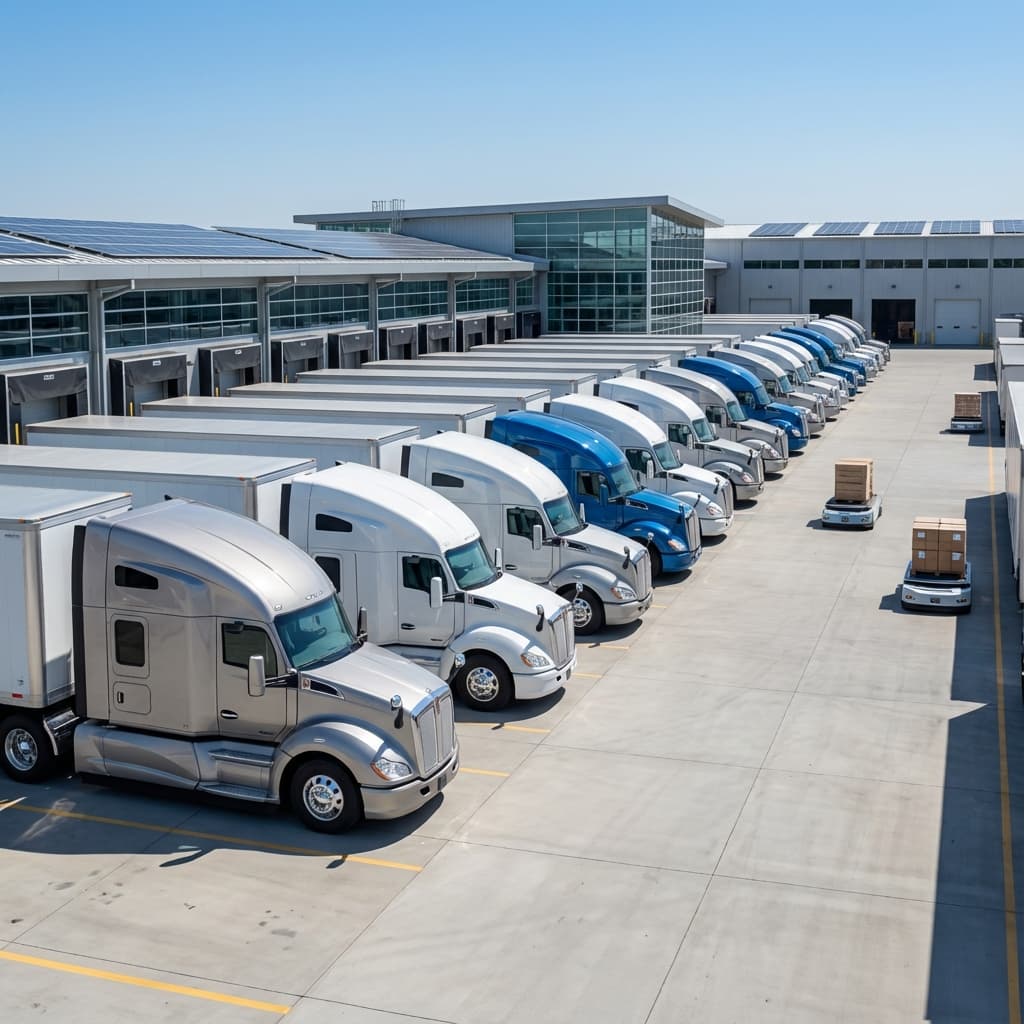
The Vulnerability of the Volatile Spot Market
In the cyclical world of transportation, many motor carriers fall into the trap of 'chasing the green'—relying exclusively on the spot market when rates are high. While this can lead to short-term windfalls, it leaves the business dangerously exposed when the market corrects. At United Lanes Insurance, we have observed that the most resilient and insurable fleets are those that treat their operational strategy as a diversified investment portfolio.
Building a recession-proof business requires a transition from reactive dispatching to proactive client management. This shift not only stabilizes cash flow but also improves your risk profile in the eyes of underwriters, who favor the predictability of dedicated lanes and established partnerships.
The Power of Vertical Specialization
To move away from commoditized freight where price is the only differentiator, motor carriers must develop a 'market moat.' Specialization allows you to charge premium rates and makes your fleet indispensable to certain industries. Consider the following high-barrier verticals:
- Temperature-Controlled Logistics: Beyond standard produce, focusing on pharmaceuticals or high-value chemicals requires precise operational discipline.
- Open Deck and Specialized Heavy Haul: Transporting infrastructure components or machinery requires expertise that the average dry van carrier cannot provide.
- Hazardous Materials (Hazmat): While the insurance requirements are higher, the barriers to entry keep competition low and margins high.
By mastering a specific niche, you transition from being a 'service provider' to a 'strategic partner' for your clients.
Transitioning to Dedicated Contract Carriage
Volatility is the enemy of efficient fleet management. High-performing carriers aim for a freight mix that is 70-80% contracted and 20-30% spot. Contracted freight provides the baseline revenue necessary to cover fixed costs, including equipment notes and insurance premiums, regardless of market fluctuations.
The Strategic Benefits of Contracts:
- Operational Efficiency: Predictable lanes allow for better driver scheduling, leading to higher retention and lower turnover costs.
- Fuel Surcharge Protection: Standard contracts often include fuel surcharge (FSC) programs, insulating your margins from spikes at the pump.
- Backhaul Optimization: Establishing dedicated loops minimizes deadhead miles, directly impacting your bottom line.
Cultivating Direct Shipper Relationships
While brokers play a vital role in the ecosystem, over-reliance on intermediaries can erode your margins by 15-25% per load. Building a direct sales engine is essential for long-term growth. This involves identifying shippers in your primary lanes and presenting a value proposition based on reliability, safety scores, and equipment availability.
When approaching direct shippers, lead with your data. Show them your on-time delivery percentages and your safety record. Shippers are increasingly risk-averse; they want to know that the carrier hauling their freight is financially stable and properly insured by a reputable provider like United Lanes.
Technology as a Catalyst for Growth
Diversifying your revenue requires a back-office that can handle the complexity of different billing cycles and contract requirements. Implementing a robust Transportation Management System (TMS) allows you to track the profitability of each customer and lane in real-time. If a specific client or route is consistently underperforming, you have the data needed to either renegotiate the rate or reallocate those assets to more profitable opportunities.
Conclusion: Building for the Long Haul
The transition from a spot-market-dependent operator to a diversified motor carrier does not happen overnight. It requires a disciplined approach to asset allocation and a commitment to relationship-based selling. By building a resilient revenue framework, you protect your fleet from the inevitable ebbs and flows of the freight economy, ensuring that your business remains profitable through every cycle.
Questions about
this topic?
Our specialists are ready to provide the personalized guidance you need for your specific situation.