The Resilience Framework: Strategies for Diversifying Revenue and Securing Direct Shipper Contracts
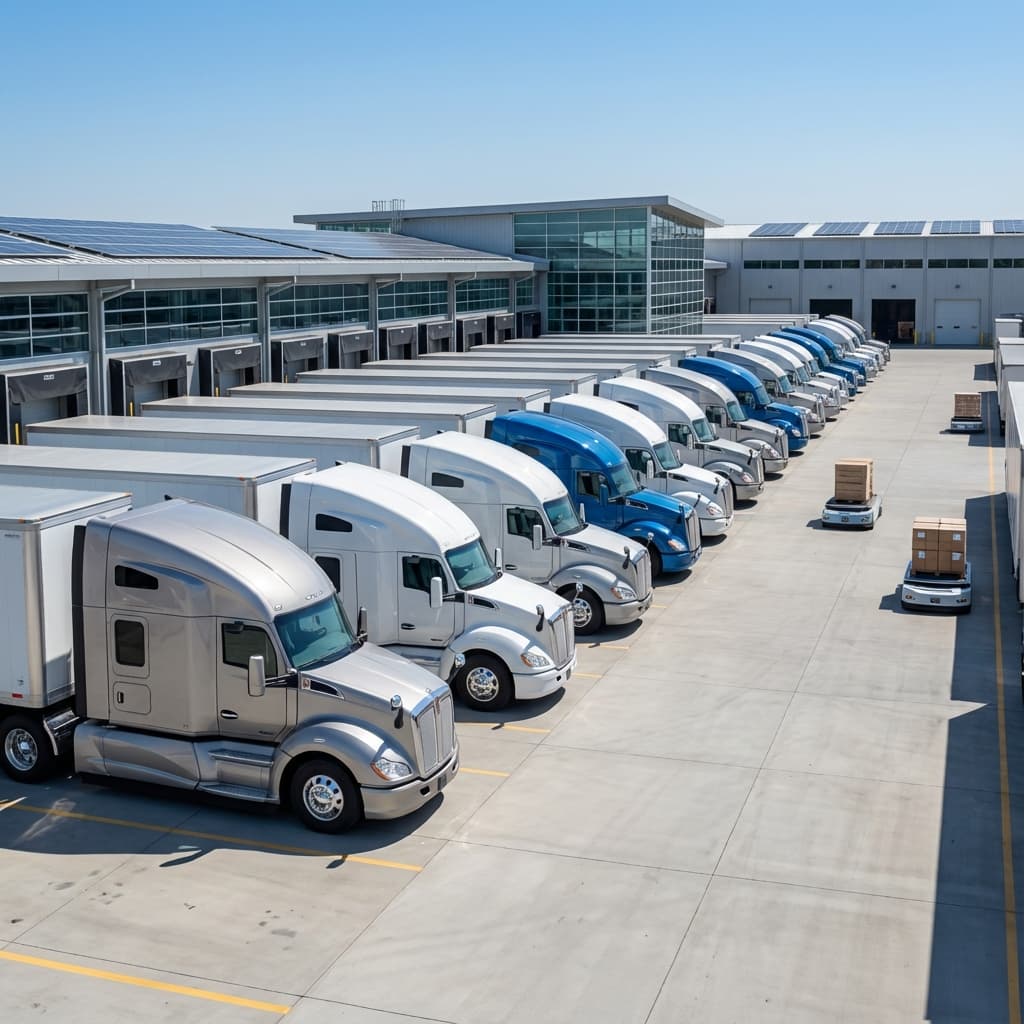
Breaking the Spot Market Cycle
For many small to mid-sized motor carriers, the spot market serves as a necessary entry point. However, building a scalable and sustainable business requires transitioning away from the feast-or-famine nature of load boards. To achieve long-term operational resilience, carriers must focus on securing direct shipper contracts that provide predictable volumes, consistent cash flow, and more manageable routing.
A resilient framework isn't just about finding more loads; it’s about finding the right loads that align with your fleet’s strengths and geographic footprint. This strategic shift transforms a trucking company from a service commodity into a vital supply chain partner.
Preparing the Foundation for Direct Partnerships
Before approaching a high-volume shipper, a motor carrier must ensure their house is in order. Shippers are looking for reliability and professional accountability. To position your fleet as a candidate for contract freight, consider the following operational benchmarks:
- Service Performance Data: Maintain a rigorous log of on-time delivery percentages and low claim ratios. Data is your strongest selling point.
- Safety Ratings: High-tier shippers often have strict safety requirements. Ensure your CSA scores and safety protocols are beyond reproach.
- Financial Transparency: Be prepared to demonstrate financial stability through creditworthiness and professional insurance coverage from a reputable provider like United Lanes.
Analyzing Your Core Competencies
Success in direct contracting starts with a realistic audit of your capabilities. Do you excel in temperature-controlled logistics, or is your fleet optimized for dry van long-haul? By identifying your niche expertise, you can target shippers whose needs perfectly match your operational strengths, allowing you to command better rates than generalists.
Mastering the RFQ and Contract Negotiation
The Request for Proposal (RFP) or Request for Quote (RFQ) process can be daunting for carriers accustomed to the "click and book" nature of digital brokers. However, this is where the most stable revenue is won.
When navigating a contract negotiation, focus on total value rather than just the per-mile rate. A contract that offers a consistent backhaul, even at a slightly lower rate, may be more profitable than a high-paying headhaul that leaves your driver stranded in a dead zone. Key elements to negotiate include:
- Fuel Surcharge Programs: Protect your margins against pump price volatility with a clear, indexed fuel surcharge agreement.
- Accessorial Charges: Define detention time, layover fees, and lumper reimbursements clearly to ensure your time is compensated.
- Volume Commitments: Seek minimum volume guarantees to justify dedicating specific assets to the shipper's account.
Strategic Freight Diversification
Operational efficiency is also a product of diversification. Relying on a single major shipper can be as dangerous as relying on the spot market. If that shipper experiences a downturn or changes their logistics provider, your fleet could face a sudden revenue vacuum.
A healthy freight mix typically includes a balance of anchor accounts (long-term contracts), seasonal peak partners, and a small percentage of spot market filler to maintain high asset utilization. Diversifying geographically is also critical; operating in multiple lanes reduces the impact of regional economic shifts or weather-related disruptions.
The Financial Impact of Operational Stability
The transition to a contract-heavy revenue model has a secondary benefit: it makes your business more attractive to lenders and insurers. Predictable revenue streams allow for better budgeting, more aggressive (but controlled) fleet expansion, and the ability to offer drivers more consistent schedules, which is the cornerstone of driver retention.
At United Lanes Insurance, we see the difference in the risk profiles of carriers who manage their operations through strategic diversification. A stable carrier is a lower-risk carrier, and that operational maturity eventually translates into a stronger bottom line and a more resilient business future.
Questions about
this topic?
Our specialists are ready to provide the personalized guidance you need for your specific situation.