The Resilience Framework: Engineering a Diversified Freight Strategy for Sustainable Growth
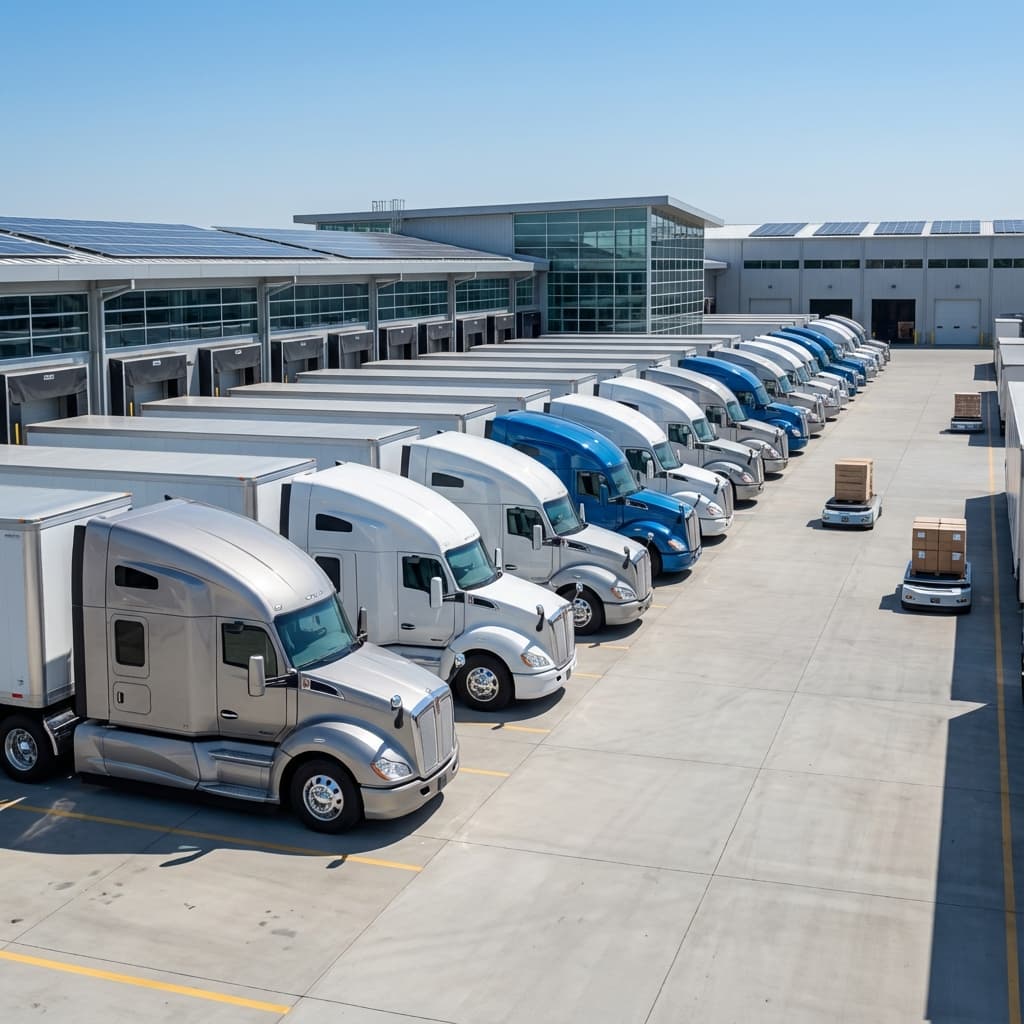
Building Stability in a Volatile Freight Ecosystem
For many motor carriers, the cycle of boom and bust is often accepted as an inevitable part of the industry. However, the most successful fleets—those that survive economic downturns and thrive during surges—don't rely on luck. They utilize a Resilience Framework designed to diversify their freight portfolios and optimize operational efficiency. Moving beyond a reactive business model is the first step toward long-term sustainability and favorable insurance positioning.
Moving Beyond Spot-Market Dependency
While the spot market can offer lucrative rates during capacity crunches, relying on it exclusively exposes your business to extreme risk. When the market softens, spot-dependent carriers are the first to see their margins evaporate. To build a resilient operation, carriers should aim for a strategic mix of contract freight and direct-to-shipper relationships.
- Direct-to-Shipper Contracts: These offer consistent volume and predictable cash flow, allowing you to plan maintenance and driver schedules with precision.
- Dedicated Lanes: Securing repetitive routes reduces the time spent on deadheading and search costs, directly impacting your bottom line.
- Broker Diversification: If you must use brokers, ensure no single broker accounts for more than 20% of your total revenue. This protects you if a specific brokerage faces financial instability or changes their carrier requirements.
Optimizing Capacity through Fleet Rightsizing
Operational efficiency is often lost in the gap between capacity and demand. Fleet management isn't just about adding trucks; it’s about maximizing the utilization of existing assets. Motor carriers must conduct regular audits of their equipment productivity. If a power unit is consistently underperforming or sitting idle, it isn't just a missed revenue opportunity—it’s an insurance and maintenance liability.
Implementing Predictive Analytics through modern Telematics can help identify underutilized assets. By analyzing dwell times and route efficiency, carriers can reassign assets to higher-margin lanes, ensuring that every mile driven contributes to the company’s growth.
The Technology Moat: Enhancing Operational Visibility
In the modern trucking landscape, a robust Transportation Management System (TMS) is no longer a luxury—it is a requirement for competitive operations. A well-integrated TMS serves as a "technology moat" that protects your business by providing real-time data on:
- Cost-Per-Mile (CPM) Tracking: Understanding your exact break-even point for every load is critical for making informed bidding decisions.
- Driver Performance Metrics: Identifying high-efficiency drivers allows for targeted retention bonuses, reducing the high cost of driver turnover.
- Maintenance Scheduling: Moving from reactive repairs to preventative maintenance reduces downtime and prevents the kind of roadside failures that trigger DOT inspections.
Financial Buffer Zones and Risk Mitigation
A resilient business operations strategy must include a robust financial buffer. Industry analysts suggest maintaining a cash reserve equivalent to at least three months of operating expenses. This capital allows you to maintain your equipment and retain your best drivers during market lulls without resorting to high-interest debt.
From an insurance perspective, a carrier that demonstrates financial stability and operational discipline is viewed as a lower-risk entity. Underwriters look for indicators of "business maturity," and a carrier with a diversified freight base and a clear growth strategy is far more likely to secure competitive premiums and higher coverage limits.
Conclusion: Scaling with Intent
Growth for the sake of growth often leads to operational fragility. True success in the trucking industry comes from scaling with intent—choosing the right partners, investing in the right technology, and maintaining a disciplined approach to freight selection. By engineering a diversified strategy today, you ensure that your fleet is prepared for the challenges of tomorrow.
Questions about
this topic?
Our specialists are ready to provide the personalized guidance you need for your specific situation.