The Resilience Engine: Mastering Fleet Lifecycle Management for Sustainable Growth
The Strategic Intersection of Equipment and Profitability
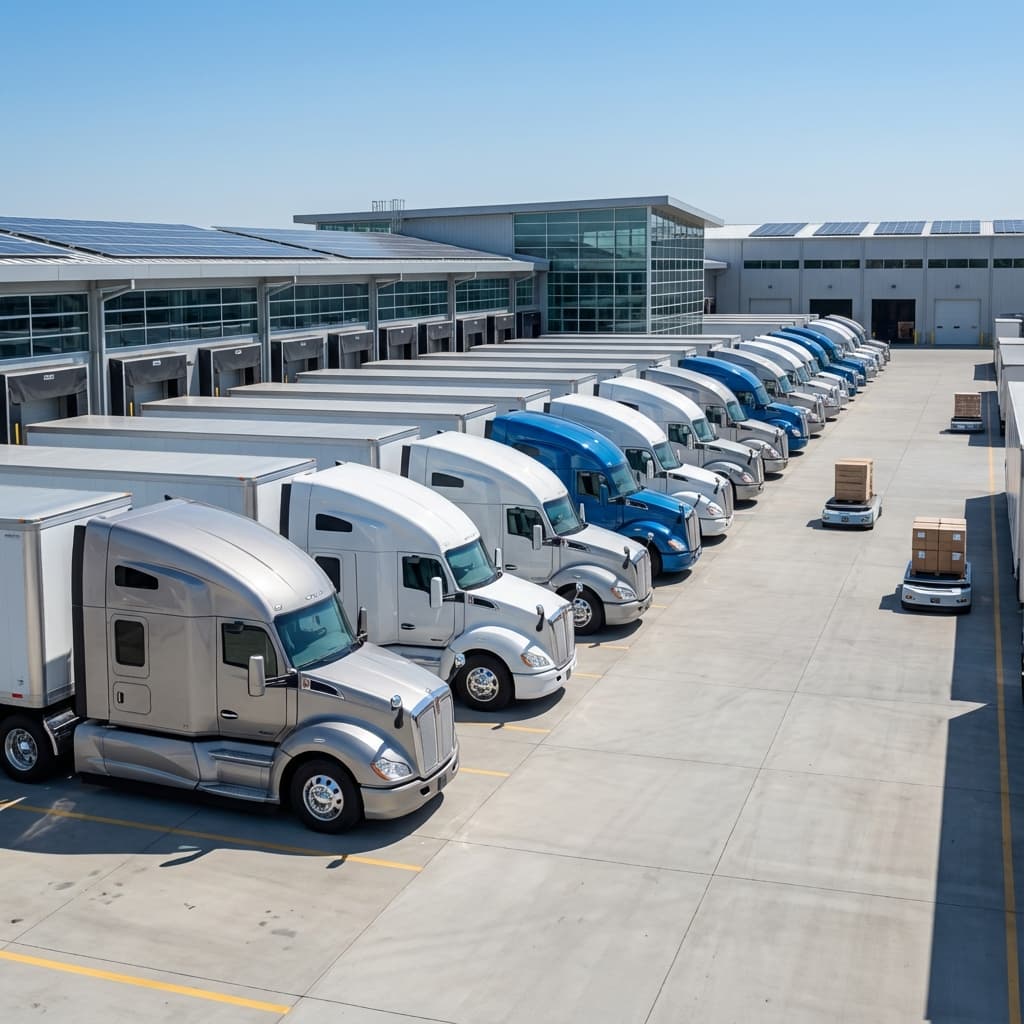
In the high-stakes world of motor carrier operations, the truck is more than just a tool; it is a capital-intensive asset that dictates the rhythm of your balance sheet. Many carriers fall into the trap of viewing maintenance and equipment replacement as reactive necessities rather than proactive strategic levers. To build a resilient operation, carriers must master Fleet Lifecycle Management (FLM)—a discipline that optimizes the journey of a vehicle from acquisition to disposal.
Effective FLM isn't just about keeping trucks on the road; it’s about ensuring that every mile driven contributes to the net growth of the company while minimizing the volatility of emergency repairs and unplanned downtime.
The Lifecycle Framework: Beyond the Purchase Price
A sophisticated business operation looks past the initial sticker price of a tractor. The true cost of an asset is its Total Cost of Ownership (TCO), which includes financing, fuel consumption, insurance premiums, maintenance, and eventual resale value. To optimize this, motor carriers should focus on three distinct phases:
1. Data-Driven Acquisition
Growth requires scaling the fleet with equipment that matches the specific demands of your freight lanes. Utilizing telematics data to understand fuel efficiency across different terrains allows carriers to select specifications (specs) that maximize MPG. Furthermore, newer equipment often comes with advanced driver assistance systems (ADAS), which not only protect the asset but can also lead to more favorable terms during insurance renewals.
2. The Preventive Maintenance (PM) Standard
Operating with a "run-to-failure" mentality is a recipe for operational insolvency. A rigorous PM program is the backbone of fleet efficiency. By scheduling inspections based on mileage or engine hours, carriers can identify minor issues—such as worn brake pads or small coolant leaks—before they escalate into catastrophic roadside failures that incur expensive towing fees and missed delivery penalties.
3. The 'Sweet Spot' for Disposal
Every truck has a point where the cost of maintenance begins to outpace its revenue-generating potential. For many long-haul fleets, this occurs between 400,000 and 500,000 miles. Strategic carriers monitor the secondary market to time their trade-ins, ensuring they capture maximum residual value while the vehicle is still attractive to secondary buyers.
The Operational Ripple Effect: Insurance and Safety
Fleet lifecycle management has a direct impact on a carrier's risk profile. Well-maintained, newer equipment consistently performs better during Level I North American Standard Inspections. Reducing the frequency of Vehicle Out-of-Service (OOS) violations directly improves your CSA (Compliance, Safety, Accountability) scores.
- Lower Risk Ratings: Clean inspections signal to underwriters that your operation is disciplined and professional.
- Driver Retention: Professional drivers prefer operating modern, well-maintained equipment. Reducing breakdowns improves driver satisfaction and reduces the high costs associated with driver turnover.
- Reduced Liability: Proactive maintenance, particularly regarding tires and braking systems, significantly reduces the probability of mechanical-failure-related accidents.
Maximizing Uptime through Tech Integration
To truly modernize business operations, carriers should integrate their Maintenance Management Systems (MMS) with their Electronic Logging Devices (ELDs). This integration allows for real-time tracking of fault codes and automated scheduling. When your shop knows a truck is throwing a code 200 miles before it reaches the terminal, they can stage parts and labor, turning a potential two-day delay into a two-hour repair.
Conclusion: Engineering a Competitive Edge
In a volatile freight market, the carriers that survive and thrive are those that control their internal variables. By mastering the lifecycle of your fleet, you transform your equipment from a source of unpredictable expense into a predictable engine of growth. At United Lanes Insurance, we recognize that a well-managed fleet is a lower-risk fleet, and we encourage our partners to view their maintenance shops not as cost centers, but as the foundations of their operational resilience.
Questions about
this topic?
Our specialists are ready to provide the personalized guidance you need for your specific situation.