The Resilience Blueprint: Scaling Your Trucking Enterprise Through Strategic Lane Density and Diversification
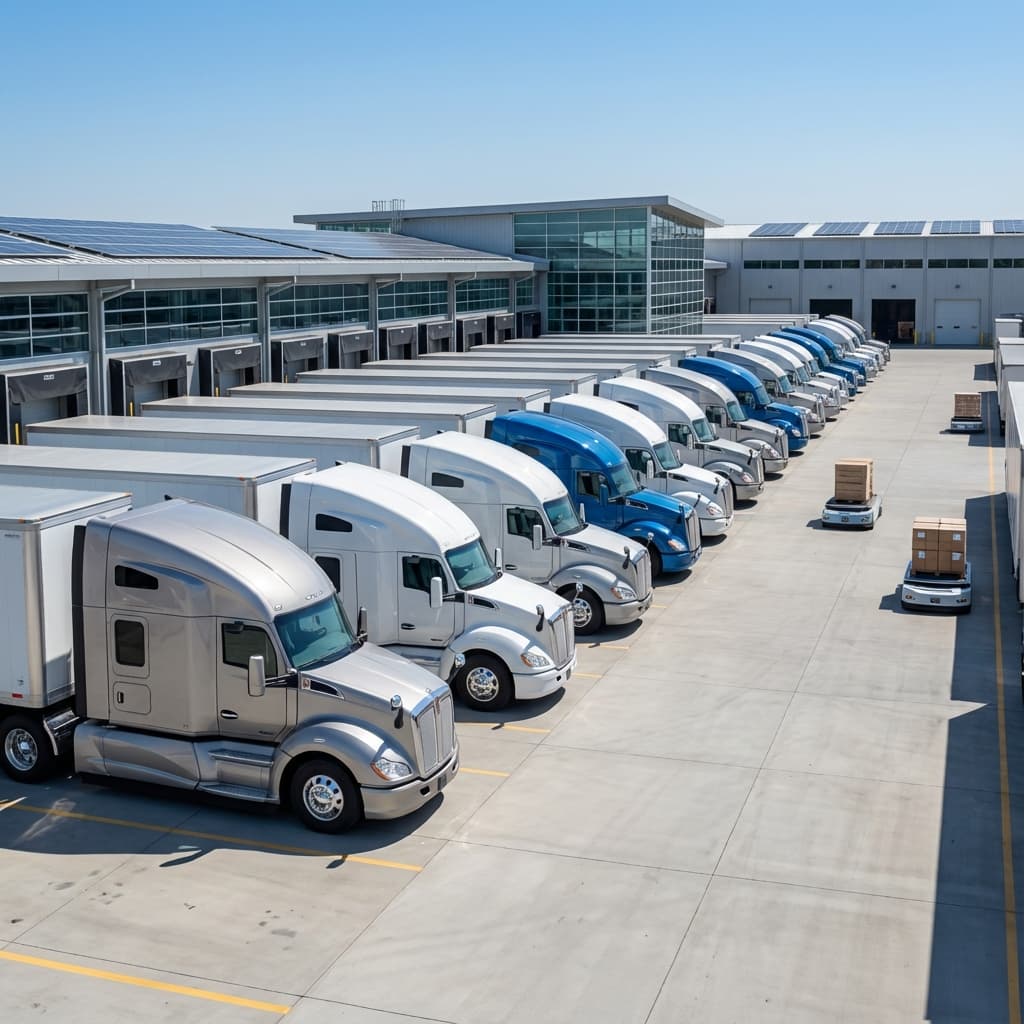
The Shift from Survival to Strategic Growth
In the highly cyclical trucking industry, many motor carriers find themselves trapped in a reactive cycle—chasing high-paying spot market loads when capacity is tight and struggling to cover overhead when the market turns. However, the most successful fleets don't just survive these cycles; they use them as a springboard for growth. To move from a 'mom-and-pop' operation to a resilient enterprise, carriers must adopt a Resilience Blueprint centered on operational efficiency and strategic scaling.
1. Mastering Lane Density: The Key to Operational Efficiency
One of the most common mistakes growing carriers make is attempting to cover too much geography with too few assets. True profitability is rarely found in the total number of miles driven, but in the density of those miles. Building lane density means concentrating your assets on specific geographic corridors where you can consistently secure backhauls and minimize deadhead.
The Benefits of Density:
- Reduced Deadhead: By operating in concentrated lanes, dispatchers can more easily coordinate consecutive loads, keeping trucks moving and earning.
- Driver Satisfaction: Predictable routes allow for better home-time scheduling, which is a primary driver of retention in a competitive labor market.
- Maintenance Predictability: Established routes allow carriers to build relationships with specific maintenance shops and fuel stops, leading to better volume discounts and priority service.
2. Strategic Diversification: Hedging Against Market Volatility
While specialization (such as being a purely refrigerated or flatbed carrier) can offer higher margins, it also exposes the business to sector-specific downturns. A resilient growth strategy involves calculated diversification. This doesn't mean trying to be everything to everyone; it means identifying complementary freight types that balance your seasonal peaks and valleys.
For example, a carrier primarily focused on retail consumer goods might diversify into industrial components or food-grade liquids. This ensures that even when one sector of the economy slows down, your fleet remains utilized and your cash flow stays positive.
3. The Human Capital Factor: Scaling the Driver Experience
You cannot scale a trucking business without scaling your workforce. In the current landscape, your drivers are your most valuable operational assets. Scaling requires moving beyond simple recruitment and toward a Driver Partnership Model.
Strategic Retention Initiatives:
- Transparent Compensation: Moving toward salary-based or guaranteed-minimum pay structures can provide the stability that high-quality drivers crave.
- Performance Incentives: Link bonuses not just to miles, but to safety metrics, fuel efficiency, and on-time performance. This aligns the driver’s goals with the company's profitability.
- Modern Equipment: Investing in a younger fleet reduces breakdown frequency and provides drivers with the comfort and technology they expect in a modern workplace.
4. Data-Driven Decision Making
To scale effectively, a motor carrier must transition from 'gut-feeling' management to data-driven governance. This involves leveraging a robust Transport Management System (TMS) to monitor Key Performance Indicators (KPIs) in real-time.
Critical KPIs for Scaling:
- Operating Ratio (OR): Monitor this closely to ensure that as your revenue grows, your expenses aren't growing at a faster rate.
- Revenue Per Truck Per Week: This provides a clearer picture of asset utilization than simple rate-per-mile metrics.
- Maintenance Cost Per Mile: Tracking this allows you to identify the 'sweet spot' for asset cycling—knowing exactly when a truck becomes more expensive to maintain than it is to replace.
Conclusion: Building for Longevity
Scaling a motor carrier is a marathon, not a sprint. By focusing on lane density, diversifying your freight mix, and treating human capital as a strategic investment, you build a business that is not only larger but more stable. From an insurance and risk perspective, these operational efficiencies often translate into a better risk profile, eventually leading to more favorable terms and a lower total cost of risk as your fleet matures.
Questions about
this topic?
Our specialists are ready to provide the personalized guidance you need for your specific situation.