The Profit Margin Playbook: Optimizing Operating Ratios through Lean Fleet Management
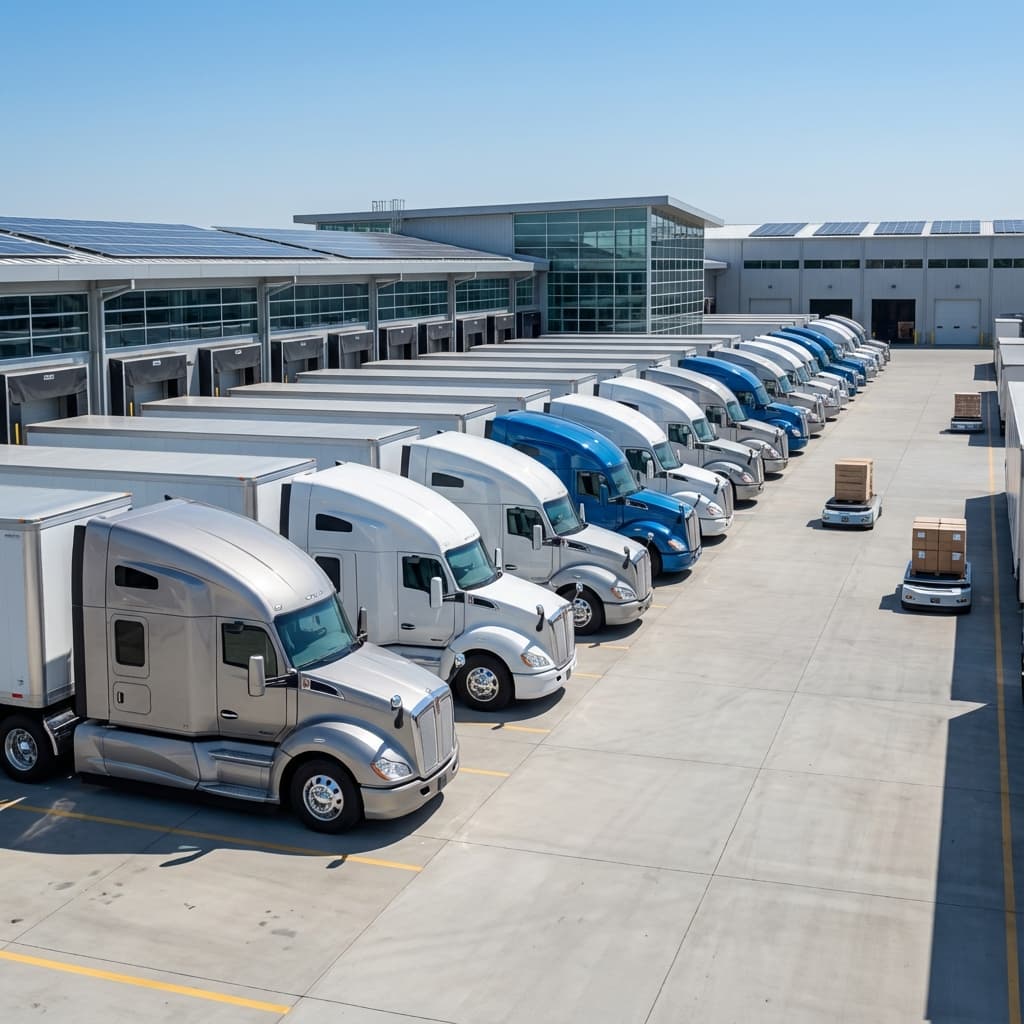
Mastering the Metric of Efficiency: The Operating Ratio
In the high-stakes world of transportation, revenue is often a vanity metric, while the Operating Ratio (OR) is the ultimate indicator of a motor carrier's health. The OR measures a company's expenses as a percentage of its revenue; the lower the ratio, the more efficient the operation. For motor carriers looking to scale or simply survive market volatility, moving from a 95% OR to a 90% OR can be the difference between a struggling business and one ready for aggressive expansion.
The Variable Cost Audit: Fuel and Maintenance Synergies
Variable costs represent the largest drain on a carrier’s liquidity. While fuel prices are dictated by the global market, fuel efficiency is an operational choice. Modern fleet management requires a dual approach:
- Preventative Maintenance (PM) vs. Reactive Repair: Moving to a rigorous PM schedule reduces the likelihood of catastrophic roadside failures, which cost 3x to 4x more than shop repairs and result in lost revenue days.
- Aerodynamic Investment and Idle Reduction: Equipping assets with skirts, tails, and Auxiliary Power Units (APUs) provides a measurable return on investment (ROI) by shaving percentage points off total fuel spend.
- Data-Driven Fueling Strategies: Utilizing fuel cards with deep IFTA integration and network discounts ensures drivers are fueling where the net cost (price minus tax) is lowest.
Strategic Asset Lifecycle Management
One of the most complex decisions for a fleet executive is determining the optimal time to trade in equipment. Holding onto trucks too long leads to ballooning maintenance costs and decreased driver satisfaction, while trading too early can trap a carrier in high-interest debt cycles. Operational efficiency is found at the intersection of warranty coverage and resale value. Carriers should aim to cycle power units before they cross the 500,000-mile threshold, where major component failures (engines, transmissions, after-treatment systems) typically escalate.
Leveraging Telematics for Business Intelligence
Telematics should no longer be viewed strictly as a compliance tool for ELD mandates. For the sophisticated carrier, telematics is a business intelligence engine. By analyzing dwell times at shipper facilities, carriers can identify "profit leaks"—customers whose loading delays are not being adequately covered by detention pay. High-efficiency carriers use this data to renegotiate contracts or fire unprofitable freight, ensuring that their assets are always moving at the highest possible rate-per-mile.
The Retention Dividend: Human Capital as an Asset
The cost of recruiting and training a new driver in today’s market is estimated between $8,000 and $15,000 per seat. High turnover is a silent killer of the operating ratio. Beyond competitive pay, operational efficiency improves retention by:
- Optimizing Dispatch for Home Time: Reliable scheduling reduces burnout and increases driver loyalty.
- Equipment Reliability: Drivers want to work for carriers that invest in new, well-maintained equipment that doesn't leave them stranded.
- Performance Incentives: Sharing a portion of the savings from fuel efficiency or safety bonuses creates a culture where drivers are invested in the company’s financial success.
Fixed Cost Optimization and Scaling
As a carrier grows from five trucks to fifty, fixed costs such as administrative salaries, terminal leases, and technology subscriptions must be managed with precision. Scaling requires process automation. Automating the back-office—from billing and document capture to automated dispatching—allows a carrier to grow its fleet size without a linear increase in overhead staff. At United Lanes, we advise our clients that a lean back-office is the foundation of a resilient, scalable enterprise.
Questions about
this topic?
Our specialists are ready to provide the personalized guidance you need for your specific situation.