The Precision Coverage Matrix: Navigating the Nuances of Core Trucking Insurance
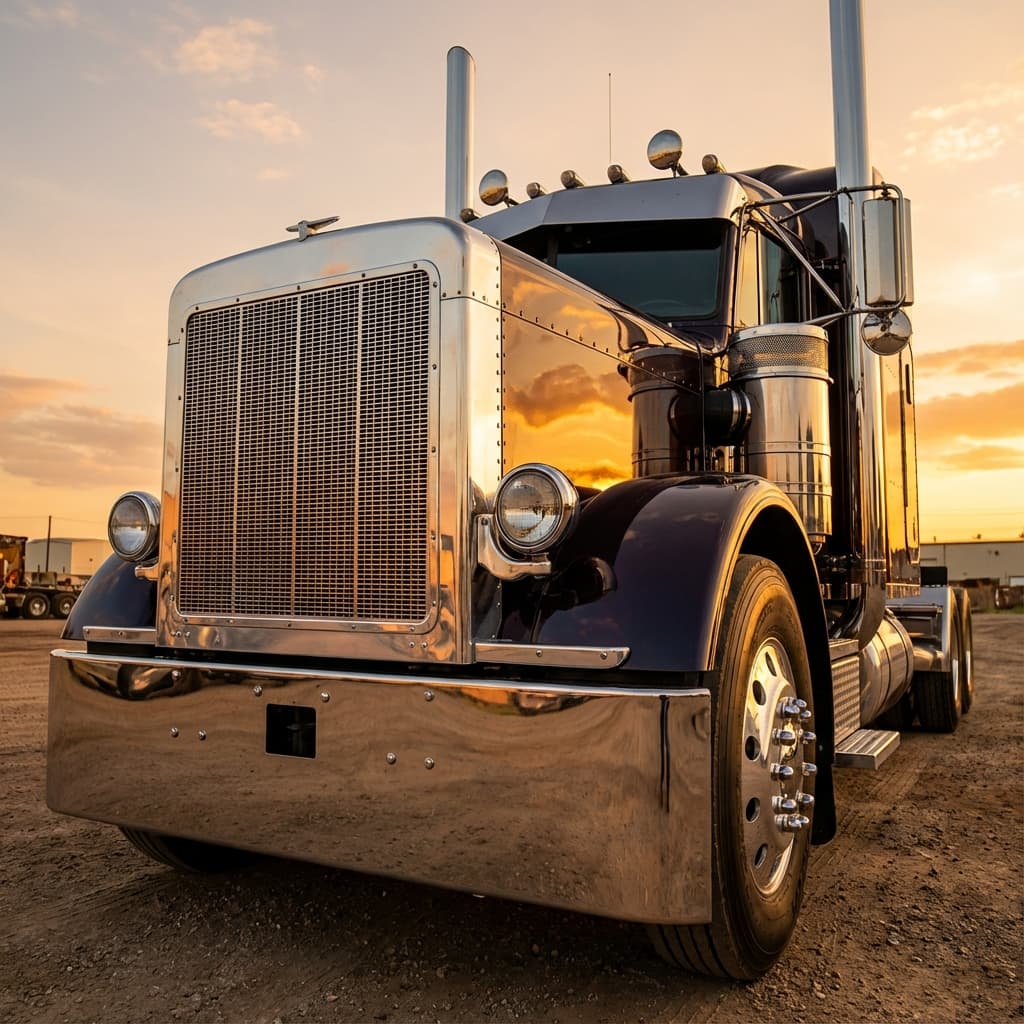
The Foundation of Fleet Security
In the high-stakes world of commercial transportation, insurance is often viewed as a regulatory burden—a necessary expense to obtain an MC number. However, for the sophisticated motor carrier, insurance is a strategic asset. A well-constructed policy does more than satisfy the FMCSA; it acts as a financial firewall that protects your company’s equity from the volatility of the road.
Primary Auto Liability: The Regulatory Bedrock
Primary Auto Liability is the most critical component of any trucking policy. It is mandated by federal law and provides coverage for bodily injury and property damage to third parties in the event of an at-fault accident. While the FMCSA minimum is often set at $750,000 for general freight, the industry standard is $1,000,000.
- Scope: It only covers damages to others, not your own vehicle or cargo.
- Strategic Insight: Carriers operating without at least $1 million in liability often find themselves locked out of high-paying contracts with major brokers and shippers who require higher limits to mitigate their own vicarious liability.
Physical Damage: Safeguarding the Capital Investment
Your equipment is your primary revenue-generating asset. Physical Damage coverage protects your truck and trailer against perils such as collisions, fire, theft, and vandalism. Unlike liability, this coverage is typically required by lienholders if the equipment is financed.
ACV vs. Stated Amount
It is vital to understand how your equipment is valued. Most policies pay out based on Actual Cash Value (ACV), which accounts for depreciation. However, in a volatile equipment market, carriers should consider a Stated Amount or Agreed Value endorsement to ensure the payout is sufficient to replace the unit in the current market, rather than just covering the depreciated book value.
Motor Truck Cargo: Protecting the Revenue Stream
Cargo insurance is where many carriers face the highest risk of uncovered claims due to technical exclusions. This coverage protects the freight you are transporting from loss or damage. Standard limits are usually $100,000, but specialized haulers may require significantly more.
- Watch for Exclusions: Many standard policies exclude specific commodities like electronics, high-end apparel, or pharmaceuticals. Always verify that your policy matches the bill of lading requirements.
- Reefer Breakdown: For temperature-controlled operations, ensure your cargo policy includes a Reefer Breakdown Endorsement, which covers losses due to mechanical failure of the cooling unit rather than just external collisions.
Non-Trucking Liability (NTL) vs. Bobtail Insurance
These two coverages are frequently confused, but the distinction is critical for owner-operators and small fleets. Both provide liability coverage when the truck is not pulling a trailer or is not under dispatch.
Non-Trucking Liability specifically covers the truck when it is being used for personal, non-business purposes (e.g., driving to the grocery store). Bobtail Insurance is broader, covering the tractor anytime a trailer is not attached, regardless of whether the driver is on dispatch. Choosing the wrong one can lead to a devastating coverage gap during the transition from a delivery to a deadhead leg.
The United Lanes Conclusion
Managing a motor carrier requires a balance of operational efficiency and risk mitigation. By understanding these core pillars—Primary Liability, Physical Damage, Cargo, and NTL—you can build a Precision Coverage Matrix that eliminates gaps and ensures that your business remains resilient in the face of the unexpected. Always consult with a specialist to review your policy language, as the smallest endorsement can make the difference between a covered claim and a total loss.
Questions about
this topic?
Our specialists are ready to provide the personalized guidance you need for your specific situation.