The Pillar of Resilience: Understanding the Mechanics of Specialized Motor Carrier Coverages
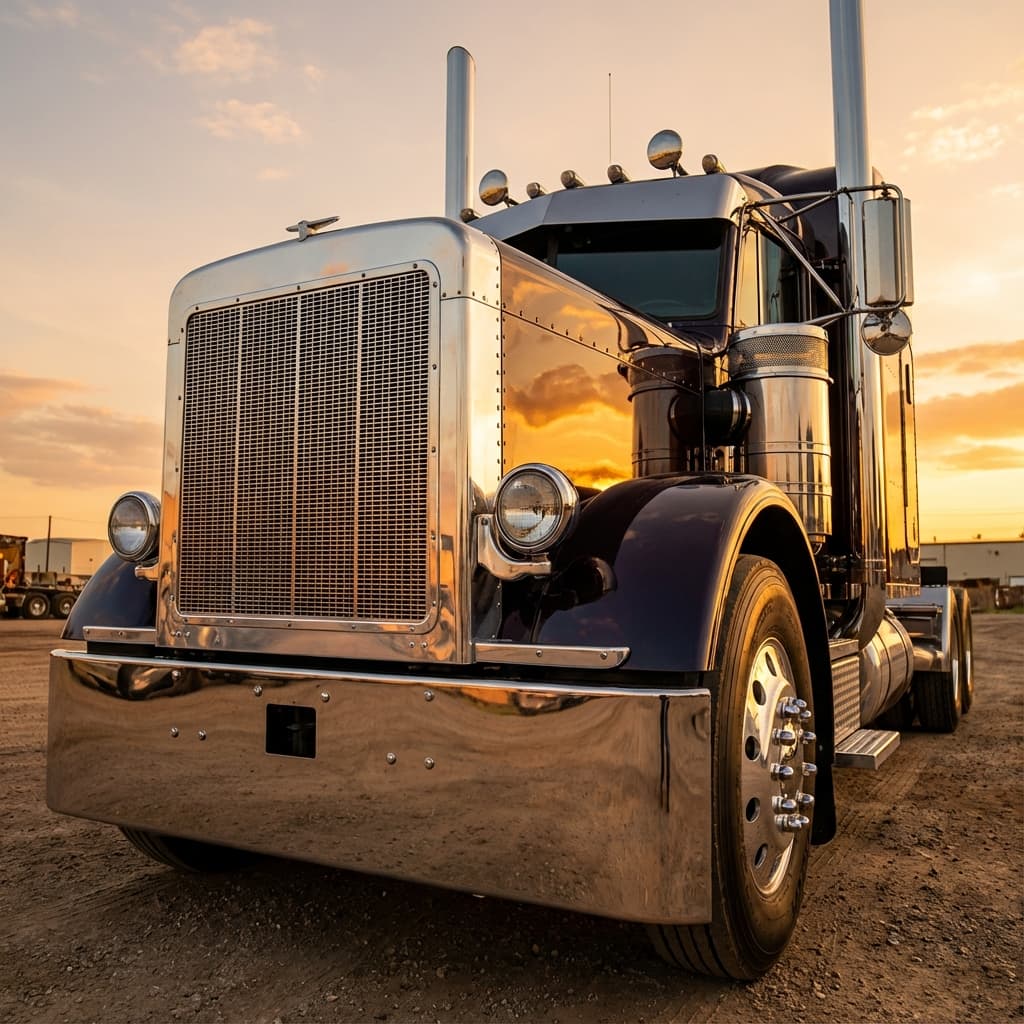
The Architecture of Risk Management in Modern Trucking
In the high-stakes world of logistics, a motor carrier’s insurance portfolio is its most critical safety net. While many owner-operators and fleet managers view insurance as a necessary regulatory burden, the most successful carriers treat it as a strategic asset. Understanding the granular details of Primary Liability, Physical Damage, and Motor Truck Cargo is the difference between a minor setback and a business-ending event.
At United Lanes Insurance, we recognize that the 'one size fits all' approach is a relic of the past. Today’s market demands a sophisticated understanding of how these coverages interplay to protect your margins and your reputation.
Primary Auto Liability: The Foundation of Compliance
Primary Auto Liability is the non-negotiable cornerstone of any trucking operation. Mandated by the FMCSA, this coverage protects you against the financial consequences of bodily injury or property damage to third parties caused by your equipment. While the federal minimum is often set at $750,000 for general freight, the industry standard has shifted toward $1,000,000 Combined Single Limit (CSL).
- Strategic Insight: Most high-quality brokers and shippers will not even look at a carrier that carries only the federal minimum. To remain competitive and access premium freight, maintaining a $1M limit is essential.
- Financial Protection: Liability claims are often the most expensive risks a carrier faces, particularly in a legal climate characterized by nuclear verdicts.
Physical Damage: Protecting the Capital Asset
While liability protects others, Physical Damage coverage protects your investment. This coverage is typically split into two components: Collision and Comprehensive (often referred to as Fire and Theft with Combined Additional Coverages).
When structuring your Physical Damage policy, the valuation method is paramount. You must choose between Actual Cash Value (ACV) and Stated Value. In a volatile equipment market where truck prices fluctuate rapidly, it is vital to review your stated values quarterly to ensure you are neither overpaying for premiums nor underinsured in the event of a total loss.
Motor Truck Cargo: Safeguarding the Revenue Stream
Motor Truck Cargo insurance is what allows you to secure the trust of your clients. It covers the loss or damage of the freight you are hauling. However, not all cargo policies are created equal. Carriers must be hyper-aware of exclusions.
- Temperature Control: If you operate reefers, ensure you have a 'Reefer Breakdown' endorsement that covers driver error and mechanical failure.
- Target Commodities: Many standard policies exclude high-theft items like electronics, pharmaceuticals, or spirits. If your route involves these goods, a specific rider is required.
- Debris Removal: Ensure your policy includes adequate limits for removing spilled cargo from a roadway, as cleanup costs can often rival the value of the cargo itself.
Non-Trucking Liability (NTL) vs. Bobtail Insurance
A common point of confusion for independent contractors is the distinction between Non-Trucking Liability and Bobtail insurance. NTL provides liability coverage when the truck is being used for personal, non-business purposes (e.g., driving to the grocery store while off-duty). Bobtail insurance, conversely, covers the tractor when it is being operated without a trailer, regardless of whether it is for business or pleasure.
For owner-operators leased to a larger motor carrier, NTL is often required to bridge the gap when the carrier’s primary liability policy is not in effect. Misunderstanding this gap can lead to catastrophic uninsured losses during transit to or from a terminal.
Conclusion: Building a Culture of Protection
Mastering these coverage types allows a motor carrier to negotiate better rates with shippers and lower premiums with underwriters. By viewing insurance as a pillar of resilience rather than a fixed cost, you empower your business to weather the volatility of the modern freight landscape. At United Lanes, we advocate for a proactive approach: review your limits, understand your exclusions, and always align your coverage with your specific operational profile.
Questions about
this topic?
Our specialists are ready to provide the personalized guidance you need for your specific situation.