The Operational Safeguard: A Definitive Guide to Primary Liability, Cargo, and Specialized Physical Damage Coverages
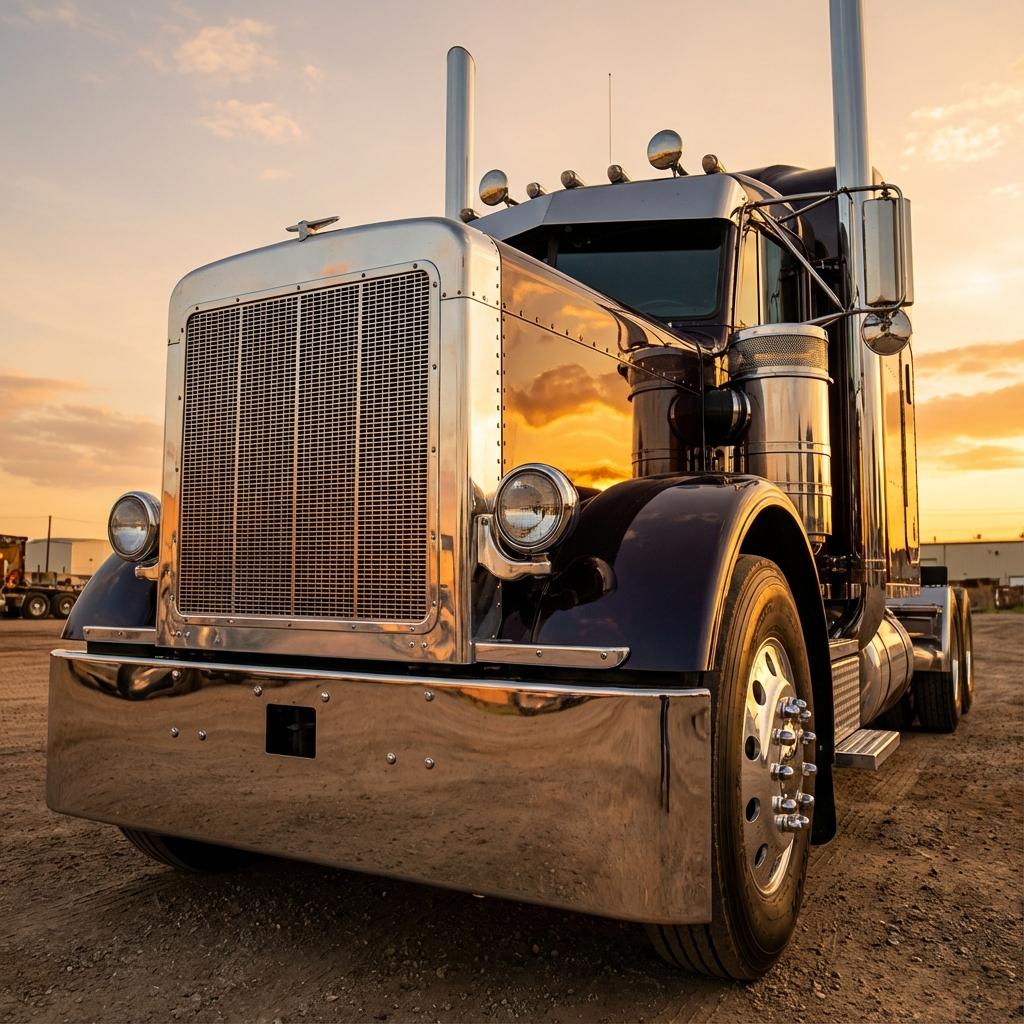
Navigating the Complex Landscape of Motor Carrier Insurance
In the high-stakes world of logistics, insurance is often viewed as a mandatory expense—a box to be checked for FMCSA compliance. However, for the elite motor carrier, insurance is a strategic asset. Properly structured coverage does more than just permit you to operate; it protects your cash flow from the catastrophic impact of a single road incident. At United Lanes Insurance, we believe that clarity is the first step toward better risk management.
1. Primary Liability: The Foundation of Compliance
Primary Liability is the cornerstone of any trucking policy. It is federally mandated for any motor carrier operating under their own authority. This coverage pays for the damage you cause to others—both bodily injury and property damage.
Why the Limits Matter
While the FMCSA minimum is often $750,000, the industry standard for most brokers and shippers is $1,000,000. Operating with only the minimum often excludes you from high-paying freight. To optimize your premium, ensure your safety scores (BASICs) are maintained, as underwriters weigh these heavily when determining your liability rates.
2. Motor Truck Cargo: Protecting the Revenue Stream
Your equipment is valuable, but the cargo you carry is your reputation. Motor Truck Cargo insurance protects the transporter from liability for lost or damaged freight. Common limits range from $100,000 to $250,000, though specialized haulers may require significantly more.
- Reefer Breakdown: If you pull refrigerated trailers, ensure your cargo policy includes a rider for mechanical failure of the cooling unit.
- Earned Freight: Look for policies that cover 'Earned Freight,' which compensates you for the shipping charges you would have collected had the cargo not been damaged.
- Debris Removal: In the event of a rollover, the cost to clean up the spilled cargo can be astronomical. Verify that your cargo policy includes a specific sub-limit for debris removal.
3. Physical Damage: Protecting Your Hardest Working Assets
Physical Damage coverage is a combination of Collision and Comprehensive insurance. It covers the repair or replacement of your truck and trailer in the event of an accident, fire, theft, or vandalism. Unlike liability, this is for your benefit.
ACV vs. Stated Value
Most policies pay out based on Actual Cash Value (ACV). It is critical to update your equipment values annually. If you are over-insuring an older truck, you are paying unnecessary premiums. Conversely, under-insuring a new rig can lead to a significant financial gap if the vehicle is totaled. Consider 'Gap Insurance' if you owe more on your equipment than its current market value.
4. Non-Trucking Liability (NTL) vs. Bobtail
One of the most common points of confusion in the industry is the difference between NTL and Bobtail insurance. For owner-operators leased to a motor carrier, understanding this distinction is vital for avoiding coverage gaps.
- Non-Trucking Liability (NTL): This covers the truck when it is being used for personal, non-business purposes (e.g., driving to the grocery store or a movie theater). It does not cover the truck while it is under dispatch or carrying a load.
- Bobtail Insurance: This covers the tractor when it is being operated without a trailer attached, regardless of whether it is for business or personal use.
Choosing the wrong one can lead to a claim denial. If you are an owner-operator, always consult with your primary motor carrier to see which specific form of secondary liability they require you to carry.
Conclusion: Creating a Resilient Coverage Mix
Protecting a trucking business requires a balanced approach. By meticulously selecting your limits and understanding the fine print of your Cargo and Physical Damage policies, you can build a safety net that allows your business to scale even in a volatile market. At United Lanes Insurance, we specialize in tailoring these specific coverages to fit the unique operational profile of your fleet.
Questions about
this topic?
Our specialists are ready to provide the personalized guidance you need for your specific situation.