The Operational Resilience Framework: Strategies for Navigating Volatile Freight Markets
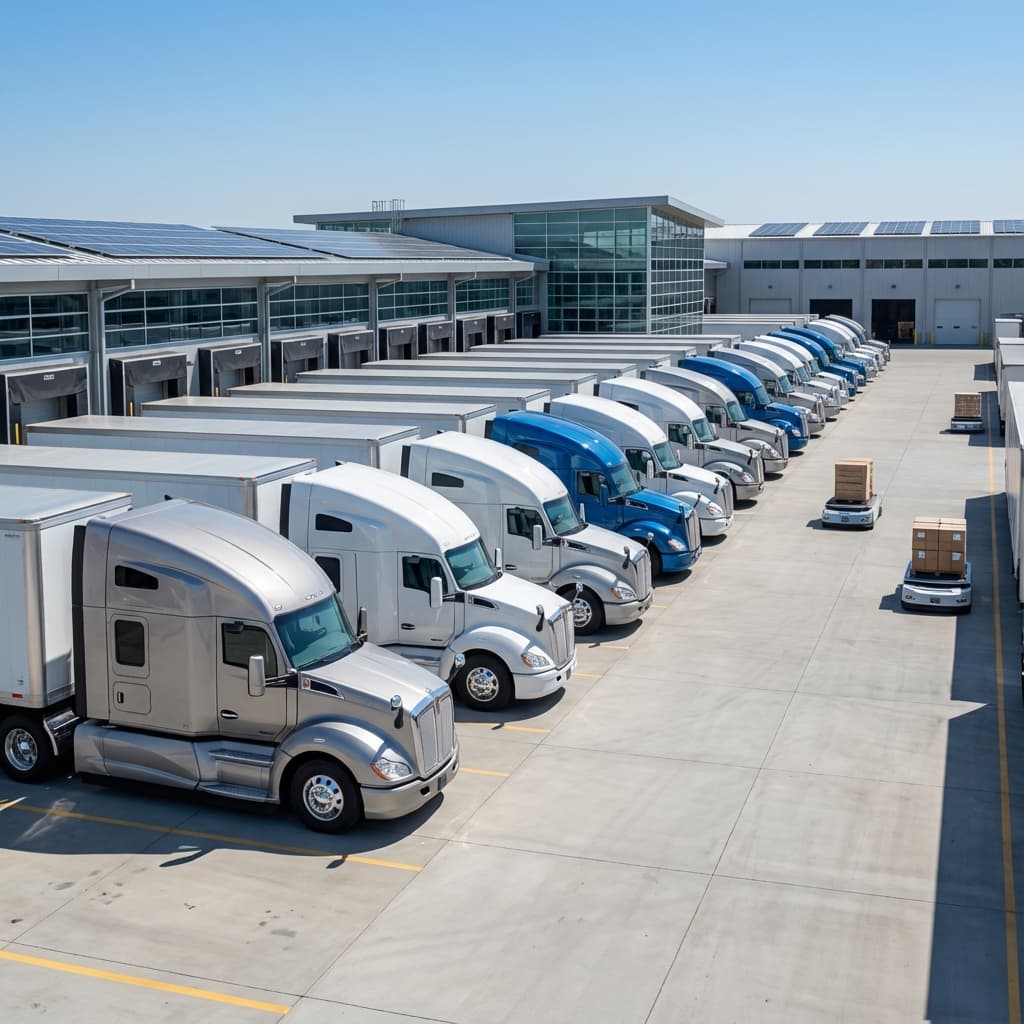
Building a Recession-Proof Trucking Enterprise
The trucking industry is notoriously cyclical, defined by periods of high demand followed by inevitable market corrections. For motor carriers, the difference between long-term success and insolvency often hinges on operational resilience—the ability to maintain profitability even when spot rates crater. At United Lanes Insurance, we observe that the most successful fleets are those that treat their business operations with the same precision as their safety protocols.
Operational efficiency is not just about cutting costs; it is about maximizing the value of every mile driven. By implementing a structured framework for business resilience, carriers can protect their margins and position themselves for rapid scaling when the market turns.
1. Revenue Diversification: Moving Beyond the Spot Market
While the spot market offers high returns during capacity crunches, relying on it exclusively leaves a carrier vulnerable to sudden price drops. A resilient operation balances its portfolio with a mix of freight sources:
- Dedicated Contract Carriage: Securing long-term contracts provides predictable cash flow and allows for better driver scheduling.
- Niche Specialization: Moving away from general dry van freight into specialized segments—such as temperature-controlled, hazmat, or oversized loads—often yields higher margins and more stable demand.
- Direct Shipper Relationships: Cutting out the middleman where possible allows carriers to capture a larger share of the rate while building deeper operational partnerships.
2. Data-Driven Maintenance and Asset Utilization
Maintenance is one of the largest variable costs for any fleet. Shifting from reactive to predictive maintenance is a hallmark of a sophisticated operation. By leveraging telematics and engine diagnostics, carriers can identify potential failures before they result in a costly roadside breakdown.
High-efficiency carriers focus on the Operating Ratio (OR). By monitoring idle time, fuel efficiency, and out-of-route miles, management can identify leakages in the budget. Reducing a fleet’s average fuel consumption by even 0.5 MPG through driver coaching and aerodynamic upgrades can save thousands of dollars per power unit annually.
3. The Financial Buffer: Managing Cash Flow and Debt
Cash flow is the lifeblood of trucking. High-growth periods often tempt carriers to take on excessive debt to expand their fleets. However, over-leveraging can be fatal during a market downturn. Operational resilience requires:
- Maintaining a Healthy Debt-to-Equity Ratio: Ensuring that the business is not overly reliant on borrowed capital for daily operations.
- Optimizing Days Sales Outstanding (DSO): Implementing efficient billing processes or utilizing strategic factoring to ensure that capital is not tied up in unpaid invoices for 60-90 days.
- Emergency Reserves: Building a "war chest" that can cover fixed costs (insurance, permits, lease payments) for at least three to six months.
4. Workforce Stability as a Cost-Saving Strategy
The cost of driver turnover is often underestimated. Between recruiting, onboarding, and the increased insurance risk associated with new hires, replacing a driver can cost a carrier between $8,000 and $15,000. Retention is a financial strategy.
Resilient carriers invest in driver satisfaction through transparent pay structures, predictable home time, and modern equipment. From an insurance perspective, a stable pool of experienced drivers with long tenures at the same company is one of the most effective ways to secure preferred premium rates during renewals.
The Intersection of Operations and Insurance
Insurance providers look favorably upon carriers that demonstrate high levels of operational control. When you have a documented maintenance program, a diversified client base, and a low driver turnover rate, you are perceived as a lower-risk entity. This operational excellence allows you to leverage better terms and higher limits, further strengthening your competitive advantage in the marketplace.
By focusing on these core pillars of business operations, motor carriers can move past the "boom and bust" cycle and build a sustainable, scalable enterprise that thrives in any economic climate.
Questions about
this topic?
Our specialists are ready to provide the personalized guidance you need for your specific situation.