The Operational Resilience Framework: Optimizing Driver Retention and Asset Lifecycle for Sustainable Growth
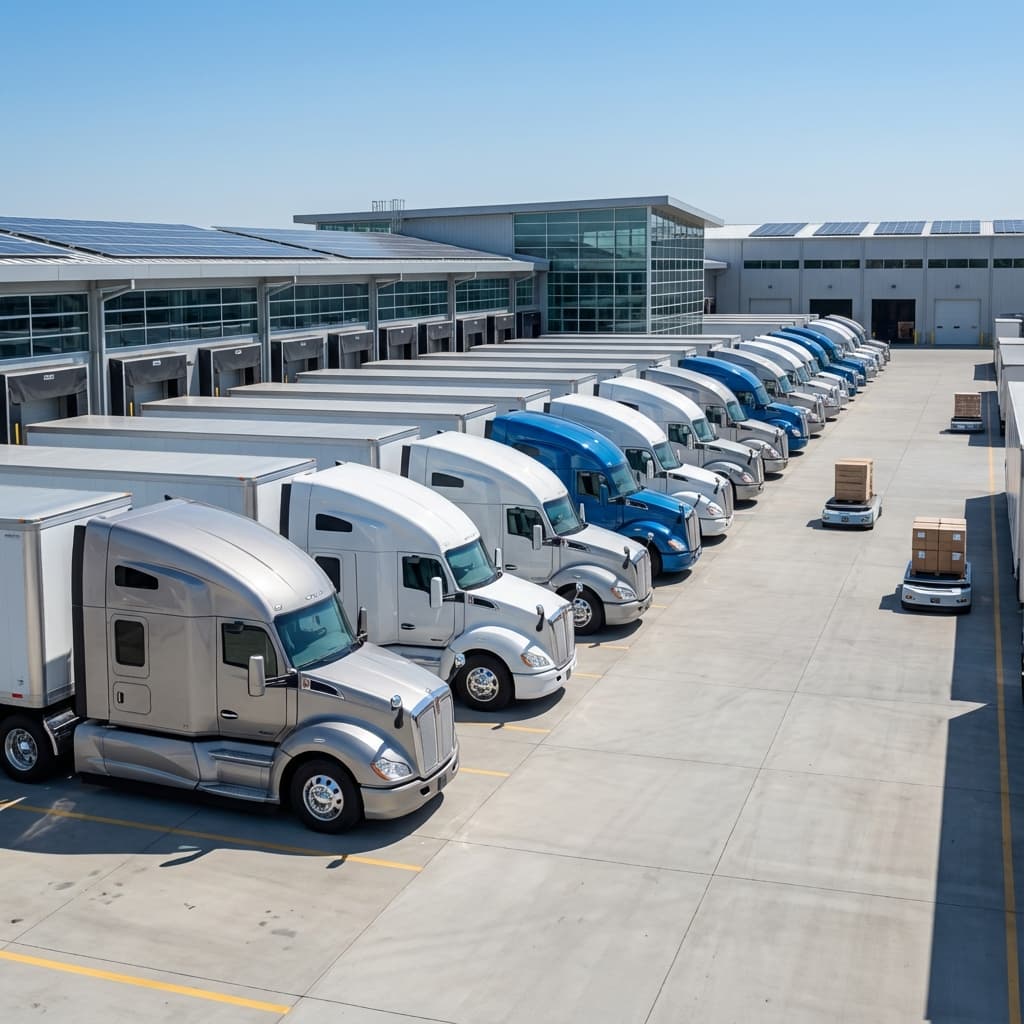
Building a Foundation for Long-Term Fleet Stability
In the high-stakes world of logistics, growth is often mistaken for simple expansion. However, true scaling requires operational resilience—the ability to maintain profitability and service standards regardless of market volatility. For motor carriers, this resilience is built on two primary pillars: human capital (your drivers) and physical capital (your equipment).
1. The Human Capital Engine: Beyond the Paycheck
Driver turnover remains one of the most significant hidden costs in trucking. The expense of recruiting, onboarding, and training a new driver can range from $5,000 to $15,000, not including the lost revenue of an idle truck. To build a resilient operation, carriers must shift from a 'recruitment' mindset to a 'retention' culture.
- Quality of Life Integration: Implementing predictable dispatching and regional routes allows drivers to maintain a healthier work-life balance, directly correlating to lower quit rates.
- Transparent Communication: Utilizing driver-facing apps that provide real-time feedback on performance and clear breakdowns of settlements builds trust and reduces friction.
- Safety as a Perk: Investing in late-model equipment with advanced driver assistance systems (ADAS) shows drivers that their safety and comfort are organizational priorities.
2. Asset Lifecycle Management: The Art of Timing
Operational efficiency is often won or lost in the shop. A reactive maintenance strategy is a recipe for missed deliveries and skyrocketing insurance risks. A resilient carrier views equipment not just as a tool, but as a depreciating asset that requires a strategic exit plan.
Preventative vs. Predictive Maintenance
While preventative maintenance follows a schedule, predictive maintenance uses telematics data to identify potential failures before they occur. By analyzing fault codes and wear patterns, operations managers can schedule repairs during planned downtime, avoiding the premium costs of roadside assistance and emergency towing.
The Replacement Cycle
Holding onto equipment for too long can be a trap. As trucks age out of their factory warranties, the cost per mile (CPM) often spikes due to increased maintenance and decreased fuel efficiency. Establishing a 4-to-5-year trade-in cycle helps maintain a higher resale value and keeps the fleet under warranty, stabilizing monthly operational costs.
3. Synchronizing Dispatch and Maintenance
True operational efficiency occurs when the dispatch desk and the shop are in constant communication. A common failure in fleet management is pushing a truck for 'one last load' when a service interval is due. This often leads to catastrophic failures that cost five times more than the original maintenance task.
Integrated Management Systems: Modern Transportation Management Systems (TMS) should be integrated with maintenance software. This allows dispatchers to see the mechanical health of the fleet in real-time, ensuring that high-priority, long-haul loads are assigned to the most reliable equipment.
4. The Bottom Line: Protecting Your Profit Margins
Operational resilience is ultimately about protecting your margins from the 'unforeseen.' By stabilizing your driver pool and tightening your asset management, you create a predictable cost structure. This predictability is highly valued by insurers, as it signals a well-managed, low-risk operation.
Strategic operational moves include:
- Reviewing your Cost-Per-Mile (CPM) monthly to identify outliers in fuel or maintenance.
- Investing in driver training programs that focus on fuel-efficient driving and equipment care.
- Utilizing data analytics to identify the most profitable lanes and customers, rather than just chasing high-grossing loads.
At United Lanes Insurance, we understand that a well-run business is a well-protected business. By focusing on these core operational efficiencies, motor carriers can not only navigate the current market challenges but also position themselves for aggressive, sustainable growth in the years to come.
Questions about
this topic?
Our specialists are ready to provide the personalized guidance you need for your specific situation.